Wood coffee tables add warmth and practicality to living spaces, but routine cleaning and maintenance are essential to preserve their finish. This guide outlines practical steps to keep a finished wood coffee table looking its best, using common household tools and specialized wood-care products.
Whether you’re refreshing a seasoned piece or maintaining a recently refurbished table, following a consistent process helps prevent dullness, scratches, and water marks. The steps below balance quick daily care with deeper cleaning and protection when needed.
Quick Answer
Dust with a microfiber cloth, wipe with a wood cleaner designed for finished surfaces, and polish with wood furniture polish or wax paste to restore luster and protection. For scratches, use a repair kit and re-wax if necessary.
What You’ll Need
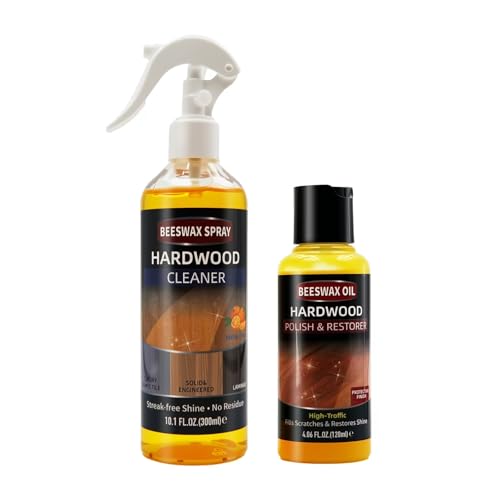
- Wood cleaner for finished wood coffee table spray
- Wood furniture polish for coffee tables lemon oil 12 oz
- Microfiber dusting cloths for wood furniture 16×16
- Furniture wax paste for wood tables 4 oz
- Scratches repair kit for wood furniture coffee table


Before You Start
Prepare the workspace by removing items from the table and protecting surrounding surfaces. Test any product in an inconspicuous area for finish compatibility. Allow the table to reach room temperature before applying cleaners. Do not saturate the wood; excessive moisture can damage finishes. If the table has been treated with a wax or oil finish, avoid using ammonia-based cleaners and follow the product’s label instructions. Time estimate: 10–20 minutes for routine cleaning; up to 1 hour for deeper treatment or scratch repair.
Step-By-Step: How To Clean A Wood Coffee Table
- Dust the surface with a microfiber cloth to remove loose dirt and debris.
- Lightly mist a spray of wood cleaner for finished wood and wipe with the cloth, following the grain.
- For sticky spots or smudges, apply a little cleaner directly and wipe gently until clean.
- Wipe the entire surface dry with a clean, dry microfiber cloth to avoid moisture buildup.
- Apply a small amount of wood furniture polish for coffee tables lemon oil, evenly across the surface, and buff with a circular motion.
- Let the polish sit briefly, then buff with a clean cloth to restore shine and provide a protective layer.
- If the finish appears dull or dry, apply a thin layer of furniture wax paste for wood tables and buff after a few minutes.
- To address scratches, use a scratches repair kit for wood furniture coffee table following the kit’s instructions, then re-wax if recommended.
- Reassess the surface after 24 hours; remove any remaining residues and ensure there is no stickiness.
- Establish a routine: dust weekly, clean monthly, and address scratches promptly to extend the life of the finish.
- Store products in a cool, dry place away from direct sunlight to prevent finish degradation.
- Keep coasters or felt pads under items to minimize future damage and wear.
Troubleshooting
| Symptom | Likely Cause | Fix | Prevention |
|---|---|---|---|
| White haze after cleaning | Moisture trapped under finish | Wipe dry and wait 24 hours; re-clean with minimal moisture | Use sparing moisture; dry thoroughly |
| Sticky residue after waxing | Excess wax or improper buffing | Buff with a clean cloth until residue is gone | Apply thin layers; allow proper curing |
| Scratches appear | Surface wear or deep marks | Use scratches repair kit; re-wax if recommended | Prevent by using felt pads and gentle cleaners |
| Finish dulls over time | Oxidation or sun exposure | Polish and re-wax; consider refinishing if severe | Avoid direct sunlight; use protective mats |
Common Mistakes
- Using harsh household cleaners not designed for wood finishes
- Over-wetting the surface during cleaning
- Skipping a test area before full application of a product
- Ignoring scratches and letting damage worsen
Tips For Best Results
- Dust regularly with a microfiber cloth to minimize buildup that can abrade the finish.
- Choose a polish with natural oils and a soft buff to avoid residue or clouding on the surface.
- Apply polish or wax in a well-ventilated area and follow all product directions.
- Use protective pads under decorative items and hot dishes to prevent heat and moisture damage.
- Schedule a light cleaning every two weeks and a deeper treatment every few months for high-traffic tables.
Call A Professional
Consider professional help if the wood coffee table has deep gouges, large cracks, or finish deterioration that cleaning and minor repairs cannot restore. Seek a furniture refinisher or carpenter when you notice structural looseness, warping, or extensive veneer separation.
FAQ
What is the best way to remove coffee stains from a wood table?
Gently blot the stain, then use a wood cleaner formulated for finished surfaces and follow with a light wax or polish if appropriate.
Can I use lemon oil on all wood finishes?
Most finished woods respond well to lemon oil-based products, but test on a hidden area first to ensure compatibility with the finish.
How often should I polish a wood coffee table?
Polish every 1–3 months or as needed to restore shine and protection, depending on usage.
What should I do about water rings?
Lightly sand the ring area if necessary, then reapply polish or wax to blend with the surrounding finish.
Is it safe to use wax paste on unfinished areas?
Wax paste is best used on finished surfaces; avoid applying it to raw wood without sealing first.
Do I need to remove the old wax before re-waxing?
Yes, remove old wax with a wax-remover or clean cloth before applying a new layer for best results.
Can I use furniture polish on a waxed table?
Waxes and polishes can interact; follow product instructions and popular practice to avoid buildup or slip.
Buying Guide
When selecting products to clean and protect a wood coffee table, consider size, finish compatibility, and impact on the wood’s appearance. The right combination of cleaner, polish, and wax can extend the life of the table and keep its look fresh.
- <bSize and surface — Ensure cleaners and polishes are suitable for the table’s finish (e.g., hard veneer, oil-finished, or polyurethane).
- <bNoise level — Not applicable for cleaning; consider ease of use and scent when selecting products.
- <bEnergy efficiency — Not applicable; products require minimal effort for routine care.
- <bControls — Choose spray bottles or pumps for controlled application; cloth-friendly options reduce waste.
- <bPlacement — Store products away from direct sunlight to prevent finish degradation.
Other factors to compare include residue-free formulas, natural oil content, and whether the kit includes a scratches repair option. Think about your table’s finish and traffic level to determine how often you’ll clean, polish, and wax. If you have a frequently used coffee table in a sunny room, you may prefer a protective wax with UV resistance. Always read the label for compatibility with your table’s finish and follow the recommended application steps for best results.