Hydrogen peroxide is a versatile cleaning agent that can disinfect, whiten, and lift stains when used correctly. This guide explains practical, user-friendly methods for American households, including surface cleaning, fabric care, and stain removal, using common hydrogen peroxide products. It emphasizes safety, proper storage, and best practices to maximize effectiveness.
Quick Answer
What to use: A 3% hydrogen peroxide solution is suitable for most household cleaning tasks. Use a spray bottle for easy application and a dedicated cloth for wiping. For fabrics and carpets, test a small, inconspicuous area first.
What You’ll Need
Gather these tools and materials to begin cleaning with hydrogen peroxide efficiently.
- 3% hydrogen peroxide spray bottle 16 oz amber glass
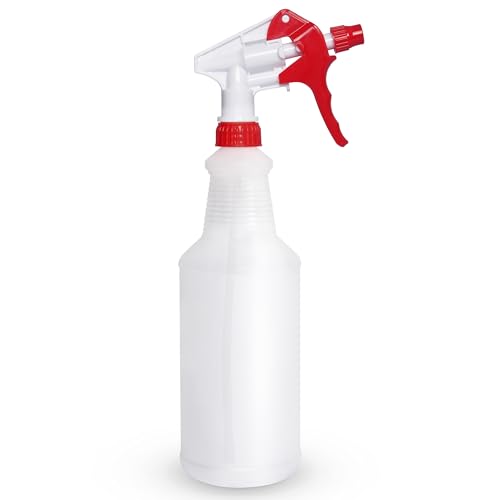
- 32 oz reusable spray bottle with adjustable nozzle for hydrogen peroxide
- 3% hydrogen peroxide multi-surface cleaner formula 24 oz bottle
- Hydrogen peroxide stain remover for fabrics carpets 3% 16 oz
- Amber glass bottle 8 oz for hydrogen peroxide storage and dispensing


Before You Start
Before diving in, understand the basics and safety precautions. Work in a well-ventilated area and wear gloves if you have sensitive skin. Keep hydrogen peroxide away from direct sunlight to preserve its strength, and never mix it with household ammonia or vinegar, as reactions can release harmful gases. Prepare your workspace with a clean surface and a disposable cloth or paper towels for quick cleanup. Time estimates vary by task but plan 15–60 minutes for most cleaning sessions, with longer durations for deep stain removal.
Cautions: Do not apply hydrogen peroxide to reflective metals in high concentrations, and avoid prolonged contact with stone or marble without testing a hidden area first. For fabrics, always perform a spot test in an inconspicuous area and air-dry completely before using the item again.
Step-By-Step: How To Clean With Hydrogen Peroxide
- Prepare your solution: Use a 3% hydrogen peroxide solution. For general surfaces, transfer into a spray bottle for easy application.
- Pre-treat stains: Apply hydrogen peroxide directly to the stain and let sit for 5–10 minutes. Blot with a clean cloth instead of rubbing to avoid spreading.
- Disinfect hard surfaces: Lightly mist kitchen counters, doorknobs, and bathroom surfaces. Let sit for 1–3 minutes, then wipe with a damp cloth.
- Kitchen cleanup: Use a 3% solution for cutting boards and countertops; rinse thoroughly with water after disinfection.
- Bathroom tiles: Spray grout lines and tiles; allow 5 minutes, scrub with a brush, then rinse well.
- Stain removal on fabrics: For fabrics or carpets, apply hydrogen peroxide to the stain, blot gently, and let air-dry. Repeat if needed.
- White fabrics and linens: For dingy whites, apply a small amount to the affected area, launder after treatment, and air-dry in the sun if possible.
- Storage and dispensing: Keep the amber glass bottle 8 oz or larger for safe storage. Label clearly and store away from direct sunlight.
- Combination cleaning: If using a multi-surface cleaner formula, follow label directions and combine only when specified for safe use on compatible surfaces.
- Rinse and dry: After cleaning, rinse surfaces that may contact food or skin and dry with a clean towel to prevent residue buildup.
- Periodic deep cleaning: For routine upkeep, schedule a monthly hydrogen peroxide wipe-down of high-touch areas to reduce microbial presence.
Troubleshooting
| Symptom | Likely Cause | Fix | Prevention |
|---|---|---|---|
| Stain not lifting | Stain is set or deeply embedded | Reapply and allow longer contact; use a fabric-safe stain remover | Address stains promptly; test on hidden areas |
| Discoloration on fabric | Overuse or prolonged exposure | Rinse and air-dry; avoid repeated heavy applications | Spot-test first; use minimal amount |
| Clear residue after wipe | Surface absorbent or insufficient rinsing | Rinse with clean water and wipe dry | Use a damp cloth to remove excess solution |
| Unpleasant odor persists | Residual moisture or mold/mildew in cracks | Ventilate and re-clean with a fresh spray | Keep area dry between uses |
Common Mistakes
- Using undiluted solutions or mixing with other cleaners without guidelines
- Applying on sensitive surfaces without a test patch
- Over-wetting fabric during stain treatment, causing longer drying times
- Ignoring label directions on store-bought hydrogen peroxide products
Tips For Best Results
- Store hydrogen peroxide in amber or dark glass to preserve potency; avoid clear plastic that may degrade faster in light.
- Label every bottle clearly to prevent accidental misuse.
- For white fabrics, a brief sunlight exposure after treatment can enhance whitening, but avoid prolonged sun on colored fabrics.
- Always perform a spot test on new materials before full application.
- Use the adjustable nozzle bottle to control spray precision, especially on delicate surfaces.
Call A Professional
Stop and consult a professional if: staining recurs beyond home treatment, fabrics show persistent discoloration after multiple attempts, or you are cleaning antique or delicate materials where chemical exposure may cause damage.
FAQ
Is 3% hydrogen peroxide safe for everyday household cleaning?
Yes, for many household surfaces, a 3% solution is effective and commonly used. Always test first on delicate surfaces.
Can I mix hydrogen peroxide with other cleaners?
Avoid mixing with ammonia, vinegar, or bleach. Mixing certain cleaners can release harmful gases or reduce effectiveness.
How should I store hydrogen peroxide to maximize shelf life?
Store in a cool, dark place in amber glass or opaque containers away from direct sunlight.
Does hydrogen peroxide work on all stains?
It helps with organic stains (like coffee, wine, and blood) but may be less effective on oil-based stains. Use appropriate stain-removal methods accordingly.
Is it safe to use hydrogen peroxide on colored fabrics?
Test a hidden area first; some dyes may fade with hydrogen peroxide exposure.
Can hydrogen peroxide replace bleach?
Hydrogen peroxide is a milder alternative for many cleaning tasks, but for certain whitening needs, specialized products may be more suitable.
Buying Guide
When selecting hydrogen peroxide cleaning products, consider size, formulation, and packaging. While 3% solutions are standard for home use, the right bottle matters for convenience and storage. If you clean multiple areas or want a dedicated fabric stain remover, you may choose separate bottles for surfaces and textiles. Noise, energy efficiency, and controls are less relevant for manual spray cleaning but look for easy-to-use adjustable nozzles and resealable caps. Placement considerations include storing away from direct sunlight, in a cool cabinet or pantry, and keeping the product out of reach of children and pets. For households that prefer amber glass, an 8 oz bottle offers compact storage, while 16 oz and 24 oz options provide longer-term use without frequent replacements. Real-world testing on a small area helps determine if a particular formula is best for your surfaces and cleaning routine.