Cleaning a white ceramic glass or ceramic cooktop requires careful technique to preserve its pristine surface. This guide outlines a practical, step-by-step approach using non-scratch tools and gentle products to restore shine without leaving streaks or scratches. Readers will learn safe prep, effective cleaning, and maintenance habits for an enduring, spotless range.
Ideal for households that value a bright, clean kitchen, the method focuses on minimizing abrasion and avoiding harsh chemicals. The steps integrate readily available tools and the recommended non-scratch cleaning kit to keep the surface looking like new.
Quick Answer
Use non-scratch tools and a ceramic glass cooktop cleaner kit, apply gentle pressure, work in small circular motions, and wipe with a microfiber cloth. Repeat as needed and finish with a soft polish for a glossy, scratch-free finish.
What You’ll Need
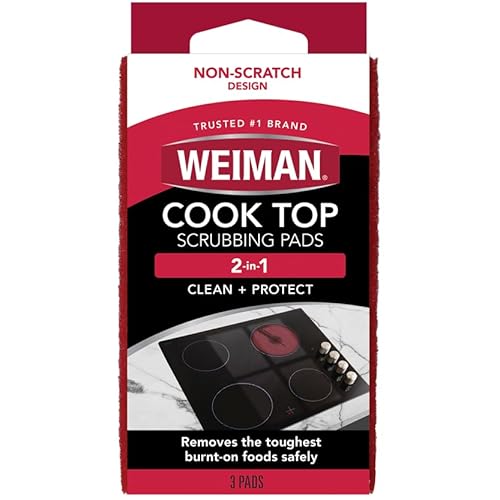
- Ceramic glass cooktop cleaner kit non-scratch polishing pads
- Microfiber cleaning cloths for glass stove top non-scratch 12×12 inches
- Soft silicone scrubber for ceramic cooktop cleaning non-scratch
- Non-scratch scrubbing sponge for ceramic cooktop cleaning 2-pack
- Glass stove top cleaning pad set 3-pack microfiber non-scratch


Before You Start
Safety first: ensure the stove is cool to touch before cleaning. Remove any cookware or loose debris. Work in a well-lit area to spot smudges and residue easily. Time estimate for a full cleaning session is about 15–30 minutes, depending on the extent of buildup. Avoid using abrasive cleaners, metal utensils, or rough scouring pads that can scratch the surface.
Step-By-Step: How To Clean A White Cooktop
- Remove loose debris with a dry microfiber cloth to prevent scratching during deeper cleaning.
- Apply a small amount of ceramic glass cleaner from the non-scratch kit to a damp, non-scratch sponge. Use light, circular motions to loosen baked-on grime.
- Gently focus on tough spots near the burners, using the soft silicone scrubber to minimize abrasiveness while lifting residue.
- Wipe away loosened material with a clean microfiber cloth, turning the cloth frequently for a streak-free finish.
- For persistent spots, apply a second, thin layer of cleaner and let it sit for 30–60 seconds before buffing with a microfiber pad set to a light press.
- Use the non-scratch scrubbing sponge again for any remaining residue, then rinse the sponge and wipe the surface clean with a fresh microfiber cloth.
- Dry the surface with a clean, lint-free cloth to prevent water spots and streaks, then inspect for any missed areas.
- Polish the surface using a microfiber non-scratch pad until a uniform shine appears across the entire cooktop.
- Reassess the control knobs and edges to ensure no cleaner residue remains; wipe these areas carefully if needed.
- Apply a final wipe with a dry microfiber cloth and store cleaning tools in a dedicated cabinet for next use.
- Optional tip: schedule routine wipes after cooking to prevent heavy buildup from forming.
Troubleshooting
| Symptom | Likely Cause | Fix | Prevention |
|---|---|---|---|
| Dull or streaky finish | residual cleaner or water marks | Buff with a clean microfiber pad; wipe using circular motions | Wipe dry after each use; avoid excess liquid |
| Scratches or white lines | abrasive material or metal scrubber | Switch to non-scratch pads; cease using metal tools | Always use non-scratch tools on the surface |
| Residue around burners | cleaners not fully removed | Thoroughly wipe with a damp microfiber cloth | Rinse cloth frequently during cleaning |
| Sticky spots after cleaning | thick cleaner layer | Reapply a small amount and wipe away | Use thin, even coats in future |
Common Mistakes
- Using abrasive cleansers or scouring pads on a glass-ceramic top
- Allowing baking soda or cleaners to sit too long and dry
- Applying heavy pressure, which can cause micro-scratches over time
- Neglecting to dry the surface after cleaning, leading to streaks
Tips For Best Results
- Clean spills promptly to prevent difficult stains from bonding with the surface.
- Work in small sections to maintain control over pressure and technique.
- Keep cleaning tools dedicated to glass cooktops to avoid cross-contamination with harsh cleaners for other surfaces.
- Use a microfiber cloth that’s clean and free of lint for a streak-free shine.
- Periodic polishing with non-scratch pads helps preserve the surface gloss over time.
Call A Professional
If there is deep discoloration, etching, or cracks in the glass, stop cleaning and consult a professional appliance technician. Do not attempt structural repairs yourself, as improper handling can worsen damage or void warranties.
FAQ
Can I use household vinegar on a ceramic cooktop?
Yes, vinegar can be used in a dilution with water for light cleaning, but avoid applying straight undiluted vinegar on stubborn layers; finish with a non-scratch cleaner for best results.
How often should I clean a white stove top?
Wipe down after each use and perform a deeper clean weekly or as needed based on usage and spills.
What should I do about burnt-on sugar or honey?
Apply a small amount of cleaner and let it soften the residue, then use a non-scratch pad to lift it away gently.
Is it safe to use steam cleaners on a glass cooktop?
Steam can damage seals or cause warping if misused; avoid direct steam on the surface and rely on non-scratch pads and cleaner for cleaning.
Buying Guide
When selecting cleaning tools for a white ceramic cooktop, consider size, material quality, and compatibility with glass surfaces. The goal is to use non-scratch products that effectively remove residue without harming the finish. Look for items labeled as non-scratch or suitable for ceramic cooktops, and check that cloths, pads, and sponges are lint-free and durable. A compact kit with multiple pad types and microfiber cloths offers versatility for routine maintenance and tougher spills. Consider having a dedicated kit on hand to simplify regular cleaning and encourage consistent care.