White shower floors can brighten a bathroom but show soap scum, mineral deposits, and mold quickly. A structured cleaning approach using the right tools helps maintain a pristine surface without harsh scrubbing. This guide outlines practical steps, safety notes, and tips to keep a white shower floor looking fresh.
Quick Answer
Best overall method: Use a mild, non-acid cleaner with a soft scrubber, followed by a thorough rinse and dry. For tough grout, a dedicated grout brush paired with a handheld steam cleaner can lift embedded grime without damaging tile or grout.
What You’ll Need
- stiff nylon bathroom scrub brush for shower floor cleaning
- grout cleaning brush with long handle for shower tiles
- shower squeegee with long handle for glass and floor
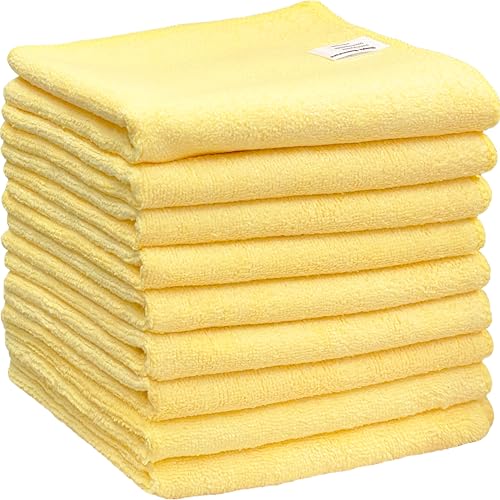
- microfiber shower floor cleaning cloths set
- handheld steam cleaner for bathroom tile grout


Before You Start
Prepare the area by removing products from shelves and protecting metal fixtures with a gentle barrier. Ventilate the bathroom or open a window to reduce chemical fumes. Time estimate: 20–40 minutes for a standard clean, plus extra for heavy buildup. Avoid using strong acids on white floors with marble or natural stone surfaces.
Step-By-Step: How To Clean A White Shower Floor
- Dry the floor with a microfiber cloth to remove surface moisture and reveal staining areas.
- Spray a mild cleaner designed for bathroom tile on the floor and grout, focusing on grout lines.
- Let the solution sit for 5–7 minutes to loosen soap scum and mineral deposits.
- Use the stiff nylon bathroom scrub brush for shower floor cleaning to agitate the floor surface in circular motions.
- For grout lines, switch to the grout cleaning brush with long handle for shower tiles to scrub deep into the joints.
- Rinse thoroughly with warm water, working from the far corner toward the door to avoid stepping on dirty areas.
- Respray a light mist of cleaner on the floor, then use a microfiber cloth to buff and remove any remaining residue.
- Dry the floor again with a clean microfiber cloth to prevent water spots and mildew growth.
- If stubborn stains persist, use the handheld steam cleaner for bathroom tile grout on grout lines only, then wipe away loosened residue.
- Finish with a quick pass of the shower squeegee with long handle for glass and floor to remove wet surfaces and prevent streaks.
- Return items to place and ensure the area is completely dry before use.
Troubleshooting
| Symptom | Likely Cause | Fix | Prevention |
|---|---|---|---|
| White film after cleaning | leftover cleaner or mineral deposits | re-rinse thoroughly and buff with microfiber cloth | use a pH-balanced cleaner |
| Streaks on floor | excess moisture or improper drying | dry with microfiber cloth and use squeegee | dry after each shower |
| Discolored grout | mold or mildew in grout | apply steam cleaner to grout lines, then re-seal grout periodically | keep bathroom dry and ventilated |
| Shiny surface shows scratches | abrasive scrub brush | switch to softer pad or brush and re-evaluate cleaner choice | avoid harsh abrasives on white floors |
Common Mistakes
- Using highly acidic cleaners on white floors, which can dull glaze or etch grout.
- Ignoring grout lines, which harbor most staining and mildew.
- Using abrasive brushes or pads that scratch the surface.
- Not drying the floor after cleaning, leading to quick re-soiling.
Tips For Best Results
- Schedule a routine cleaning every 1–2 weeks to prevent heavy buildup.
- Keep a microfiber cloth handy to wipe down the floor after each shower.
- Use a squeegee after every use to reduce water spots and mineral deposits.
- Test any cleaner on a small, inconspicuous area before full application.
- Consider a grout sealer after deep cleaning to slow future staining.
Call A Professional
Seek professional help if there is persistent mold growth, cracked or loose tiles, or severe grout deterioration. Stop and contact a pro if chemical sensitivities are suspected or if the surface shows signs of damage that could worsen with DIY cleaning.
FAQ
What is the best cleaner for a white shower floor?
Choose a mild bathroom tile cleaner or a pH-balanced formula that is safe for tile and grout.
Can I use vinegar on a white shower floor?
Vinegar can work for mineral deposits but avoid on natural stone and test first on grout.
How often should I clean grout in a shower?
Clean grout during regular floor cleanings, with a deeper clean every 1–3 months depending on use.
Do I need to seal grout after cleaning?
Sealing grout after a thorough cleaning can help protect against staining and mildew.
Is steam cleaning safe for all shower floors?
Steam is effective for grout but avoid excessive heat on delicate tiles or old grout without testing first.
What should I do about soap scum buildup on white floors?
Use a non-abrasive scrub brush and a soap-scum–fighting cleaner designed for bathrooms, then rinse well and dry.
How long does it take to complete a deep clean of the shower floor?
Most deep cleans take about 30–45 minutes, depending on grout condition and tile size.
Buying Guide
Choosing the right tools and products makes cleaning faster and more effective. Consider factors like floor size, grout condition, and ease of use when selecting equipment.
Size and layout: Larger showers benefit from long-handled tools, such as a long-handle grout brush and squeegee, to reduce bending and reach corners easily.
Noise level and energy use: Manual cleaning tools are quiet and energy-efficient. Steam cleaners provide extra power but may produce more noise and require a power source.
Materials and compatibility: Opt for stiff nylon brushes for durable scrubbing and microfiber cloths for gentle finishing. Ensure cleaners are safe for your tile glaze and grout.
Controls and ergonomics: Long-handled tools reduce strain; choose handles with non-slip grips for safety during wet cleaning.
Placement and storage: Store brushes, squeegees, and cloths in a dry area to prevent mold growth. Keep a dedicated caddy near the shower for quick access.