White grout can brighten a tile installation, but it tends to stain and stain quickly. With the right tools and a steady routine, you can restore its crisp appearance without replacing grout altogether. This guide provides practical steps that work for typical ceramic and porcelain tile in kitchens, bathrooms, and entryways.
Cleaning white grout involves tackling two common problems: surface dirt and deeper grout staining. By choosing the right combination of cleaners and applying them correctly, you can lift years of grime and keep grout looking fresh between professional cleanings. The methods below cover everyday maintenance as well as tougher stains that discolor grout over time.
Quick Answer
Best overall approach: combine a grout cleaning brush with an oxygen bleach cleaner or hydrogen peroxide spray for surface grime, then apply a grout stain remover gel or whitening pen for persistent discoloration. For delicate areas, test a small patch first and repeat as needed.
What You’ll Need
Below is a focused list of tools and materials derived from the provided product keywords. Gather these before starting to keep the process smooth and efficient.
- Grout cleaning brush stiff bristles
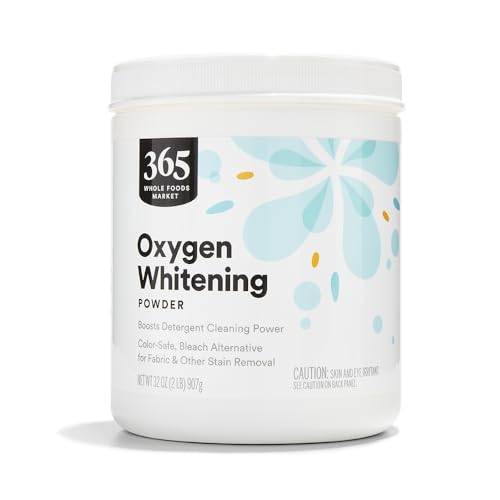
- Oxygen bleach grout cleaner powder
- Hydrogen peroxide grout cleaner spray
- Grout whitening pen for white grout
- Grout stain remover gel for tile grout


Before You Start
Prepare the workspace by removing nearby items and protecting surfaces not intended for cleaning. Ventilate the area well, especially in bathrooms, to avoid inhaling any fumes from cleaners. For safety, wear gloves and eye protection if you are using stronger products. Time estimates can vary: plan 30 minutes for routine maintenance and up to 2 hours for extensive restoration, including a drying period. Avoid mixing cleaners unless the labels explicitly permit it; incompatible combinations can release harmful fumes or damage grout.
Step-By-Step: How To Clean White Grout
- Dry-brush loose dirt from the grout lines with a stiff-bristle grout cleaning brush to expose embedded stains.
- Prepare a paste by mixing the oxygen bleach grout cleaner powder with hot water per the product instructions. Apply the paste to grout lines with the brush, focusing on discolored areas.
- Let the paste sit for 5–10 minutes to allow the active ingredients to penetrate stains, then scrub again with the brush in a circular motion.
- Rinse with clean water and assess results. For stubborn stains, apply a light mist of hydrogen peroxide grout cleaner spray directly to the grout and scrub gently.
- For remaining discoloration, apply the grout stain remover gel for tile grout in small sections. Leave for the recommended dwell time, then scrub and rinse thoroughly.
- Once grout is clean, use the grout whitening pen for white grout on high-visibility lines to even out color and maintain brightness. Allow the pen to dry completely before water exposure.
- Inspect the entire area and re-treat any areas that show residual staining. Rinse, dry, and ensure the space is ventilated during drying.
- Implement a maintenance routine: a quick weekly wipe with a mild cleaner and a monthly scrub with the grout brush to prevent buildup and staining.
- Store products in a cool, dry place and replace any tools showing wear to keep cleaning results consistent.
Troubleshooting
| Symptom | Likely Cause | Fix | Prevention |
|---|---|---|---|
| Grout still looks gray after cleaning | Deep-set stains or mineral buildup | Repeat cleaning with oxygen bleach paste, then apply grout stain remover gel | Clean regularly to prevent buildup; wipe spills quickly |
| Rinsing leaves residue | Excess cleaner or poor rinse | Rinse thoroughly with clear water and repeat until water runs clear | Use minimal cleaner per area and rinse in sections |
| Discoloration returns after staining pen | Improper neutralization or incomplete drying | Allow full drying time and apply a second light coat if needed | Dry grout completely before exposing to moisture |
| Grout cracking after cleaning | Over-wetting or aggressive scrubbing | Switch to gentler scrubbing and reduce soaking time | Use minimal moisture near joints; avoid forceful scraping |
Common Mistakes
- Using highly abrasive brushes or harsh acids on delicate grout is risky; stick to recommended brushes and products.
- Over-saturating grout with cleaner can lead to infiltration into underlying cement, causing crumbling or weakening over time.
- Ignoring small stains hoping they fade—prompt treatment reduces long-term staining and makes maintenance easier.
- Relying on a single product for all grout issues; combining products as directed yields the best results.
Tips For Best Results
- Test cleaners on a small, inconspicuous area before full application to confirm no surface damage or color change.
- Work in indirect lighting to better see how clean the grout appears as you scrub.
- For large tiled areas, clean in manageable sections to prevent cleaner from drying on grout before you scrub.
- Consider sealing grout after it is thoroughly dry and clean to protect against future staining.
Call A Professional
Consider contacting a pro if grout has extensive cracking, crumbling, or if stains persist after multiple treatments. Signs to pause and seek expertise include persistent mold growth, efflorescence, or grout that has become powdery and shows inconsistent texture after cleaning. A professional can assess whether grout replacement or regrouting is necessary to restore the tile system’s integrity and appearance.
FAQ
Can I use hydrogen peroxide directly on all grout types?
Hydrogen peroxide is generally safe for most white grout, but test a small area first and avoid prolonged exposure on delicate tiles or colored grout.
How often should I clean white grout?
For high-traffic areas, a light weekly wipe and a deeper clean every 1–2 months help maintain whiteness and prevent buildup.
Will whitening pens stain concrete or surrounding tiles?
Most whitening pens are designed for grout lines; apply carefully to grout, and wipe excess from tiles to prevent staining.
Is sealing grout necessary after cleaning?
Sealing is recommended on porous grout after cleaning and complete drying to protect against future staining.
What should I do if mold is present?
If mold is visible, use a mold-killing cleaner following safety guidelines and consider replacing severely affected grout.
Are there eco-friendly options for grout cleaning?
Yes, oxygen bleach and hydrogen peroxide-based cleaners are commonly marketed as more eco-friendly than chlorine-based products.
How long does each product need to sit?
Follow label directions closely; dwell times vary from a few minutes to longer for tougher stains.
Buying Guide
When selecting products to clean white grout, consider size, effectiveness, and application methods. For routine maintenance, a grout cleaning brush with a gentle cleaner is sufficient. For tough stains, a combination of oxygen bleach powder and hydrogen peroxide spray yields strong results without harsh acids. If staining persists, a grout stain remover gel or whitening pen can help restore brightness. Consider the area and tile type to choose products that are safe for ceramic or porcelain surfaces. Look for clear instructions, drying times, and safety warnings to ensure you can complete the job with minimal risk. Finally, choose tools and cleaners based on your cleaning frequency and the level of restoration your grout requires. Would you like help selecting a specific combination for a bathroom or kitchen tile setup?