Whiteboards are convenient for quick notes and collaborative ideas, but stubborn marker stains can leave ghosting and fade the surface. This guide walks American users through practical, proven steps to restore a whiteboard’s clean, glossy finish using common supplies and safe techniques.
Quick Answer
Isopropyl alcohol 70% effectively dissolves dry erase ink, especially on stubborn stains. Pair it with a whiteboard cleaner spray 32 oz alcohol-based and a microfiber cloth for whiteboard cleaning 12×12 inches for best results. For everyday upkeep, a dry erase board eraser microfiber wipe set helps prevent ghosting between deep cleanings.
What You’ll Need
- Isopropyl alcohol 70% rubbing alcohol or an equivalent alcohol-based cleaner
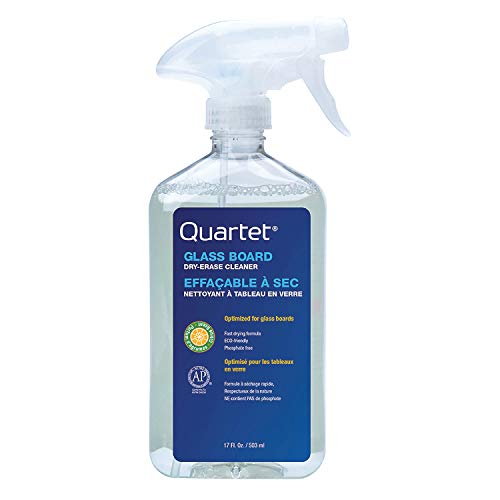
- Whiteboard cleaner spray 32 oz alcohol-based
- Microfiber cloth for whiteboard cleaning 12×12 inches or a soft, lint-free cloth
- Dry erase board eraser microfiber wipe set for daily maintenance
- Spray bottle 16 oz empty for whiteboard cleaner to pre-mix if needed


Before You Start
Choose a well-ventilated area and protect surrounding surfaces from overspray. Test cleaners on a small corner of the board to ensure there is no surface degradation. Avoid abrasive scrubbers that can scratch the glossy coating. Allow cleaners to sit for a moment on heavy stains before wiping. Time estimate: 10–25 minutes for a full clean, plus quick daily touch-ups.
Step-By-Step: How To Remove Whiteboard Marker Stains
- Remove loose markings with a dry erase eraser to reduce buildup and improve subsequent cleaning.
- Apply a small amount of isopropyl alcohol 70% rubbing alcohol to a microfiber cloth and gently wipe the stained area in circular motions.
- For thicker ghosting, spray a light mist of whiteboard cleaner spray 32 oz alcohol-based directly onto the surface and let sit for 15–20 seconds.
- Wipe with a clean section of the microfiber cloth for whiteboard cleaning 12×12 inches, moving in even strokes until the stain lifts.
- Repeat on stubborn spots, using a fresh area of cloth to avoid spreading ink.
- If ink remains, apply a small amount of cleaner and scrub with a soft microfiber wipe from dry erase board eraser microfiber wipe set to lift ink without scratching.
- Rinse the surface with a clean, damp cloth to remove cleaner residue, then dry thoroughly with a new microfiber cloth.
- For routine upkeep, wipe daily with the microfiber wipe set to reduce ghosting and maintain clarity.
- When chemical odors bother you, switch to plain water and a gentle microfiber cloth as a lighter maintenance routine.
- Store any leftover cleaner in a spray bottle 16 oz empty for whiteboard cleaner and label it for future use.
- Periodic deep cleans every few weeks help prevent permanent staining and keep the board looking new.
Troubleshooting
| Symptom | Likely Cause | Fix | Prevention |
|---|---|---|---|
| Persistent ghosting after cleaning | Ink deeply absorbed into coating | Use stronger cleaner and re-clean with fresh cloth | Clean regularly; avoid excessive marker pressure |
| Streaks or smears | Residue left from cleaner | Rinse with damp cloth and dry completely | Wipe in consistent directions |
| Discoloration after cleaning | Board incompatible with cleaner | Switch to recommended alcohol-based cleaner and test first | Always test on a small area |
| Abrasions on glossy surface | Hard scrubbing or abrasive materials | Use soft microfiber only, avoid pads | Gentle cleaning, regular maintenance |
Common Mistakes
- Using harsh cleaners or abrasive cloths that scratch the surface
- Over-wetting the board, which can damage mounting or cause bleed-through
- Rubbing too aggressively on ghosted areas, spreading ink further
- Forgetting to rinse and dry after cleaning, leaving sticky residues
Tips For Best Results
- Work in small sections to control cleaner contact time and prevent pooling
- Always follow with a dry microfiber wipe to prevent streaks
- Rotate cloths to ensure clean surfaces stay free of ink transfer
- Label and store cleaners securely, away from children and pets
Call A Professional
If the board has severe permanent staining, peeling coatings, or unusual discoloration after multiple cleanings, consider consulting a professional or the board’s manufacturer guidelines. Seek expert advice when the surface shows signs of delamination or persistent damage that standard cleaners cannot fix.
FAQ
Can I use regular household alcohol to clean a whiteboard?
Yes, isopropyl alcohol 70% is commonly used for whiteboard cleaning and dissolving ink.
Is it safe to spray cleaner directly on the board?
Lightly mist a cleaner recommended for whiteboards and wipe promptly to avoid oversaturation.
How often should I deep clean my whiteboard?
Deep clean every 2–4 weeks, or as ghosting becomes noticeable.
What should I do if markers leave permanent staining?
Try a stronger alcohol-based cleaner and a fresh microfiber cloth; if persistent, consider manufacturer guidelines or professional support.
Buying Guide
When choosing products for whiteboard maintenance, consider size and surface area, cleaning power, scent, and compatibility with your board’s coating. For households and classrooms, a whiteboard cleaner spray 32 oz alcohol-based offers ample coverage, while isopropyl alcohol 70% provides quick spot treatment. Keeping a spray bottle 16 oz empty for whiteboard cleaner allows easy refills and less waste. A reliable microfiber cloth for whiteboard cleaning 12×12 inches ensures lint-free wiping, and a dry erase board eraser microfiber wipe set helps daily maintenance. Consider storage, ease of use, and whether you prefer a spray-on solution or pre-mixed products based on your routine. Finally, verify that the products are residue-free and safe for your specific board material.