Water spots on microfiber couches are common and can be stubborn if not treated correctly. With the right approach and gentle tools, most water stains can be removed without damaging the fabric. This guide provides practical steps, using consumer-friendly products to restore the couch’s appearance.
When tackling water spots, it’s important to act calmly and test any product on an inconspicuous area first. Microfiber is durable but sensitive to harsh cleaners and excessive moisture. The following sections outline a safe, step-by-step method to lift water stains while preserving the sofa’s texture and color.
Quick Answer
For most water spots on microfiber, blot gently to remove excess moisture, then use a microfiber-safe cleaner or a dedicated stain remover with a brush attachment. Work from the outside of the stain toward the center, air-dry, and repeat if necessary. Avoid soaking the fabric and never rub vigorously.
What You’ll Need
- Microfiber sofa water stain remover kit
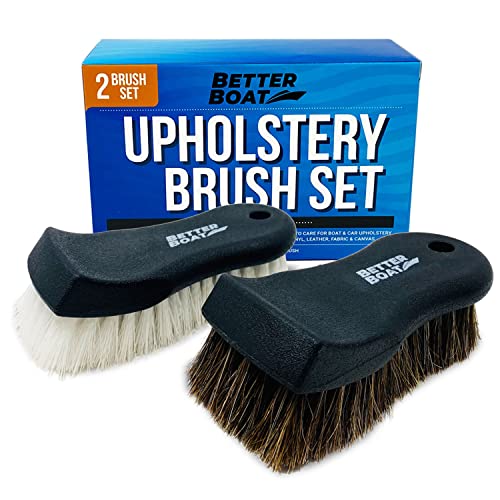
- Upholstery cleaning kit microfiber with brushes
- Portable steam cleaner for microfiber sofa
- Microfiber couch cleaner spray with brush applicator
- Stain removal sponge set for microfiber upholstery


Before You Start
Before beginning, test any cleaner on a hidden area of the couch and wait 24 hours to ensure colorfastness. Keep the room well-ventilated during cleaning and avoid using harsh chemicals or bleach. Use a clean, white cloth to blot stains and prevent dye transfer. Do not saturate the fabric, as excessive moisture can lead to water rings or mold. Plan for a 30–60 minute window per stain, plus drying time.
Step-By-Step: How To Clean Water Spots On A Microfiber Couch
- Lay out towels or a protective sheet around the cleaning area to catch drips.
- Gently blot the water spot with a clean, dry microfiber cloth to lift surface moisture.
- Apply a small amount of the microfiber couch cleaner spray with brush applicator to the stained area, following the product’s directions.
- Use the included brush in slow, circular motions to loosen the stain without pushing moisture deeper into the fibers.
- Lightly mist the area with distilled water or the cleaner’s recommended solution, then blot again with a clean cloth to absorb moisture.
- Allow the fabric to air-dry; avoid direct heat or sunlight that could warp fibers or cause discoloration.
- If the stain persists, repeat steps 3–6, using a stain removal sponge set for spot treatment.
- After drying, gently fluff the fibers with a clean brush or the upholstery kit’s brush to restore texture.
- For stubborn spots, consider a portable steam cleaner on a low setting, keeping the nozzle at a safe distance to avoid over-wetting.
- Reassess the area; if the stain remains, proceed to professional cleaning options instead of over-tubbing the area.
Troubleshooting
| Symptom | Likely Cause | Fix | Prevention |
|---|---|---|---|
| Stain reappears after drying | Residual moisture or inadequate cleaning | Reapply cleaner and repeat steps with gentler pressure | Test spot first; avoid saturating fabric |
| Color transfer or darkening | Over-wetting or incompatible cleaner | Blot with dry cloth; use color-safe cleaners | Use minimal moisture; follow product guidelines |
| Fabric feels stiff after cleaning | Residue from cleaner | Wipe with a damp cloth and blot dry | Rinse with minimal moisture only when specified |
| Stain looks lighter but not removed | Stain is set or spot treated too lightly | Repeat treatment with proper tools | Avoid aggressive scrubbing |
Common Mistakes
- Using bleach or ammonia-based cleaners on microfiber.
- Over-wetting the fabric or allowing water to pool on the surface.
- Rubbing stains aggressively, which can fray fibers.
- Ignoring a hidden stain and treating only the visible spot.
Instead, opt for light, incremental treatments and always perform a test patch first.
Tips For Best Results
- Work in a well-lit area to better see stain edges as you treat them.
- Choose products labeled safe for microfiber and follow the manufacturer’s instructions.
- Use a brush with soft bristles to avoid fiber damage during cleaning.
- Allow plenty of drying time between applications to prevent new water marks.
- Regularly vacuum the sofa to prevent buildup that can affect stain removal performance.
Call A Professional
Seek professional cleaning if:
- The stain covers a large area or is embedded deep in the pile.
- There is dye transfer, fading, or a persistent odor after cleaning.
- Water spots recur quickly after treating, suggesting underlying moisture issues.
Professional services can use deeper extraction methods and fabric-safe solvents to preserve microfiber integrity.
FAQ
Can I clean water spots on microfiber couch with household products?
Yes, mild cleaners designed for upholstery, or a dedicated microfiber cleaner, are appropriate. Avoid bleach and abrasive agents.
Is steam cleaning safe for microfiber couches?
Portable steam cleaners can be safe on microfiber when used on a low setting and kept at a distance to prevent over-wetting.
How long does microfiber take to dry after cleaning?
Typically 30–60 minutes for light moisture; full drying can take up to several hours depending on room temperature and ventilation.
What if the stain returns after drying?
Re-treat with a recommended cleaner, ensuring minimal moisture and proper brushing to lift the fibers.
Can I prevent water spots in the future?
Blot immediately when spills occur, use coasters or throws to protect the surface, and vacuum regularly to minimize residue buildup.
Buying Guide
When selecting products to maintain a microfiber couch, consider size, ease of use, and compatibility with microfiber fibers. The goal is to choose tools and cleaners that lift water spots without leaving behind residue or changing the texture. Here are key buying factors to compare:
- Size and coverage: Larger kits cover more area and reduce the need to switch products mid-clean.
- Noise level: Steam cleaners and vacuums vary in noise; select models with lower decibels for home use.
- Energy efficiency: Efficient models save electricity during long cleaning sessions.
- Controls: Simple spray and brush controls help maintain uniform cleaning without oversaturating the fabric.
- Placement and storage: Compact kits fit small living spaces and easy storage behind a sofa or in a closet.
- Brand compatibility: Look for products labeled specifically for microfiber to ensure fiber-safe formulas.
- Drying time: Tools promoting quick evaporation reduce the risk of water rings.
- Multi-functionality: Some kits double as general upholstery cleaners, offering more value.
With the right kit and technique, water spots on a microfiber couch can be minimized or removed effectively. Always start with the gentlest approach and escalate only as needed, keeping the fabric’s texture and color intact. If in doubt, a professional cleaning service can provide guidance tailored to the specific upholstery and stain depth.