Water spots on glass can mar the clarity of windows, shower doors, and glass tabletops. This guide explains effective methods to remove mineral deposits, prevent future buildup, and keep glass surfaces sparkling with tools and products available in U.S. markets.
By following practical steps and using the right cleaners, homeowners can restore transparency without harsh scrubbing or damaging the surface. The focus here is on safe, tested approaches that work on standard glass found in homes across America.
Quick Answer
Use a mineral-removing cleaner or a simple vinegar solution, apply with a microfiber cloth, scrub gently, rinse thoroughly, and dry with a clean, lint-free cloth to prevent new spots from forming.
What You’ll Need
- glass water spot remover spray hard water stains 24 oz
- streak-free glass cleaner for hard water spots 32 oz
- microfiber cloth for removing hard water spots on glass 12×16 inches
- vinegar and water glass cleaner hard water spots spray
- bar keepers friend glass cleaner hard water stains spray 18 oz

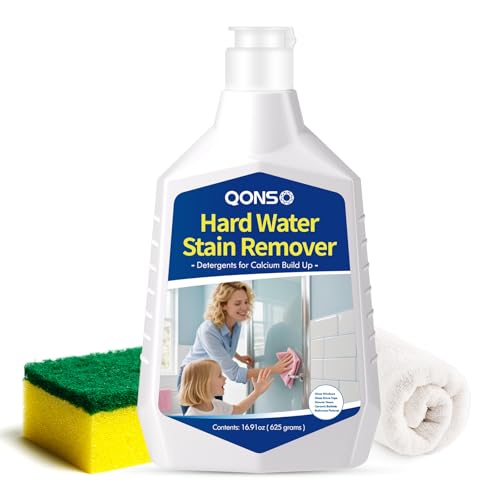
Before You Start
Assess the glass surface for any cracks or severe etching. For safety, wear gloves and ensure good ventilation when using chemical cleaners. Test any cleaner on a small inconspicuous area first to confirm no discoloration or damage. For efficiency, work in a shaded area to avoid rapid drying or streaking. Time investment varies but expect 20–40 minutes for a typical door or window, plus drying time.
Critical cautions: avoid abrasive scrubbing that could scratch the glass; never mix cleaners with bleach or ammonia; protect surrounding frames and seals from overspray; keep cleaners out of reach of children and pets.
Step-By-Step: How To Clean Water Spots Off Glass
- Prepare the area by laying down a soft towel to catch drips and opening a window for ventilation.
- Apply a dedicated glass water spot remover spray or vinegar-and-water solution to a microfiber cloth or directly to the glass, depending on the product instructions.
- Gently rub the affected areas in a circular motion to lift mineral deposits without scratching the surface.
- For stubborn spots, let the cleaner sit for 1–3 minutes to dissolve mineral build-up, then rewipe with a clean section of the microfiber cloth.
- Wipe the entire surface with a fresh, damp microfiber cloth to remove any remaining residue.
- Dry the glass thoroughly with a clean, dry microfiber cloth to prevent new water spots from forming.
- Inspect for remaining markings and repeat the cleaning process on areas with persistent spots.
- Finish with a streak-free glass cleaner to enhance clarity and provide a protective, easy-to-clean film.
Troubleshooting
| Symptom | Likely Cause | Fix | Prevention |
|---|---|---|---|
| Streaks after cleaning | Residue left from cleaner | Wipe with a fresh cloth using light, even strokes | Use a dedicated streak-free formula; wipe with minimal product |
| Persistent hard water spots | Etched mineral deposits | Apply a stronger remover, rewet, and scrub gently; consider Bar Keepers Friend glass cleaner as a follow-up | Wipe dry after each wash to prevent mineral buildup |
| Cloudy appearance | Improper drying or contaminated cloth | Use clean microfiber cloths; dry thoroughly | Wash cloths regularly; avoid fabric softeners |
| Glass feels rough | Abrasive cleaning or scratching | Switch to non-abrasive cloths; avoid steel wool | Test cleaners on inconspicuous areas first |
Common Mistakes
- Using abrasive pads or scouring powders on glass
- Over-wetting glass and allowing liquid to pool around edges
- Rubbing too hard, which can create micro-scratches
- Not drying the surface promptly, leading to new spots forming
Tips For Best Results
- Choose a cleaner that is labeled for hard water stains and glass surfaces
- Keep a dedicated microfiber cloth exclusively for glass cleaning to avoid transferring oils
- Work in sections to ensure even application and thorough drying
- Regular maintenance, such as quick wipe-downs after exposure to water, reduces buildup
- If you notice recurring spots, consider installing a water-softening system or using distilled water for finishing rinses
Call A Professional
Stop and seek a professional if the glass shows deep etching, severe cloudy patches that do not respond to standard cleaners, or if you notice cracks or structural damage around the glass edge. Experts can assess whether refinishing or replacement is necessary and can safely handle extensive cleaning without compromising sealants or frames.
FAQ
What is the best cleaner for hard water spots on glass?
A dedicated glass water spot remover spray or a vinegar-and-water solution works well for most surfaces.
Can I use Bar Keepers Friend on glass?
Yes, Bar Keepers Friend glass cleaner can help remove hard water stains when used according to directions.
Will microfiber cloths prevent streaks?
Yes, microfiber cloths are effective at minimizing lint and streaks when used dry or lightly dampened.
Should I rinse after using vinegar on glass?
Yes, rinse or wipe off vinegar residue to prevent lingering odor and potential film on the glass.
Buying Guide
Choosing the right products for cleaning water spots off glass depends on surface type, stain severity, and user preferences. Consider factors such as size, effectiveness, and ease of use to select the best combination for home needs.
Key buying factors
- Size and coverage: Larger spray bottles cover more area and reduce frequent re-purchases.
- Effectiveness against mineral deposits: Look for products labeled for hard water stains on glass.
- Ease of use: Spray products that apply evenly and wipe off cleanly save time.
- Streak-free performance: Choose formulas designed to minimize residue and streaking.
- Safety and surface compatibility: Ensure the product is safe for glass and nearby chrome, plastic, or painted frames.
- Maintenance approach: Consider complementary tools like microfiber cloths and non-abrasive scrubbers for longevity.
In practice, many homeowners keep a basic glass-cleaning kit consisting of a dedicated water spot remover, a streak-free glass cleaner, and a high-quality microfiber cloth. The goal is to simplify routine maintenance while effectively addressing stubborn deposits.