Water shoes protect feet during dips in rivers, pools, and shorelines, but they can get muddy, smelly, and worn over time. This guide outlines practical steps to refresh both neoprene and mesh styles using common cleaning tools. Following a simple routine can extend their life and keep them ready for the next adventure.
Quick Answer
Spot-clean after each use with a brush, rinse, and air-dry. For deeper cleaning, wash with a gentle soap solution, deodorize, and thoroughly dry before storage.
What You’ll Need
- Neoprene water shoe cleaning brush kit
- Mesh water shoe cleaning brush with nylon bristles
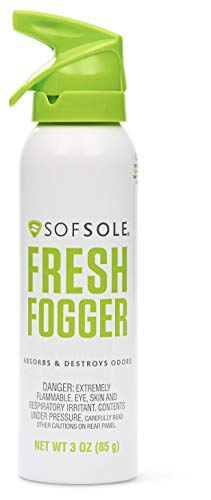
- Water shoe deodorizer spray for neoprene and mesh
- Neoprene and mesh shoe washing soap concentrate
- Compact travel water shoe cleaning kit
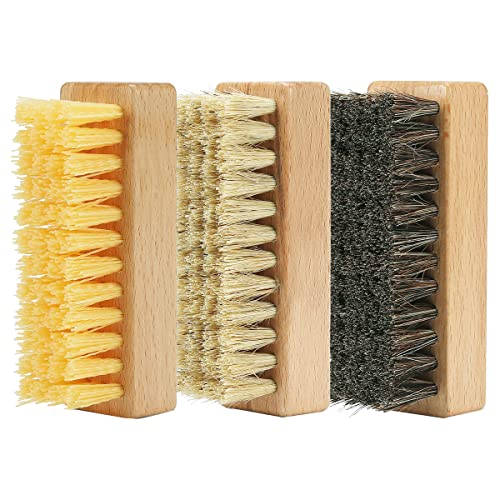

Before You Start
Prepare a clean workspace and a basin or sink. Use lukewarm water—hot water can warp neoprene and fade colors. Remove loose debris by tapping the shoes together or brushing lightly. Test any cleaner on a small area first to avoid staining. Allow ample time for air-drying in a well-ventilated area after washing.
Step-By-Step: How To Clean Water Shoes
- Rinse the shoes with lukewarm water to remove sand and grit.
- Apply a small amount of neoprene and mesh shoe washing soap concentrate to the brush kit and create a light lather.
- Gently scrub the exterior and interior linings, paying attention to seams and toe caps.
- Rinse thoroughly to remove all soap residue.
- Spray a water shoe deodorizer on the inside and outside to neutralize odors.
- Pat dry with a towel and remove excess moisture from the inner lining.
- Air-dry the shoes in a shaded, ventilated area until completely dry.
- Store in a dry place; avoid sealing the shoes while damp to prevent mildew.
Troubleshooting
| Symptom | Likely Cause | Fix | Prevention |
|---|---|---|---|
| Persistent odor after cleaning | Insufficient deodorization or hidden moisture | Reapply deodorizer and ensure full dry time | Dry thoroughly after each use |
| Fading color or material wear | Harsh cleaners or hot water | Switch to gentler soap and lukewarm water | Follow product instructions; avoid bleach |
| Residue after rinse | Excess soap or hard water deposits | Rinse longer and use distilled water if possible | Use minimal cleaner per wash |
| Cracking or tearing | Prolonged exposure to sun or improper drying | Shade-dry only; repair or replace if damaged | Dry away from direct sun |
Common Mistakes
- Using hot water or strong cleaners on neoprene
- Skipping thorough rinsing, leaving soap behind
- Washing in a washing machine or dryer on high heat
- Storing damp shoes, which encourages mildew
Following these cautions helps maintain elasticity and fit while preventing odor buildup and material damage.
Tips For Best Results
- Spot-clean after heavy use to minimize deep cleaning needs
- Use the compact travel water shoe cleaning kit for on-the-go refreshes
- Alternate deodorizer sprays to prevent scent stagnation
- Dry shoes completely before packing for trips or storage
Call A Professional
Consider professional cleaning if shoes are heavily stained, have stubborn odor, or show signs of mold. Seek help if there are persistent latex or glue failures, or if repairs are beyond routine care.
FAQ
How often should water shoes be cleaned?
Clean after significant use or exposure to sand, mud, or salt to extend the life of the materials.
Can I put water shoes in the washing machine?
Most models benefit from hand washing; machine washing or high heat can harm neoprene and mesh.
What’s the best deodorizer for neoprene?
Choose a spray designed for neoprene and mesh fabrics to avoid residue and damage.
How should water shoes be stored?
Store in a cool, dry place with good air circulation; avoid tight spaces that trap moisture.
Buying Guide
When choosing water shoes and cleaning supplies, consider how often they will be used, the environments typical use involves, and personal maintenance habits. Key buying factors include size and fit, materials (neoprene vs. mesh), and how easy cleaning will be with the included tools.
Size and fit matter because a snug yet flexible fit reduces rubbing and blisters. Noise level and energy efficiency are less relevant for cleaning gear, but compact travel kits offer convenience for trips. For routine maintenance, a dedicated brush kit paired with a soap concentrate keeps cleaning simple and effective. If odor is a frequent issue, a targeted deodorizer spray helps maintain freshness between cleanings.
Placement considerations include drying space and ventilation. A shaded, well-ventilated area speeds up drying and reduces the risk of mildew. For travelers, a compact travel cleaning kit ensures you can refresh shoes on the go without bulky gear.