Maintaining a front-load washing machine involves regular care of the door seal, or gasket, which can trap soap scum, mold, and bacteria. A clean gasket ensures better performance, reduces odors, and preserves the life of the appliance. This guide provides practical, step-by-step instructions and must-have tools to keep the door seal—often the washer’s rubber gasket—free of grime.
Quick Answer
To clean the washer door seal, gather a soft brush, a gasket cleaning tool or scraper, and a mild cleaning solution. Wipe away visible debris, scrub the folds, rinse with warm water, and dry thoroughly. Repeat monthly to prevent buildup and run a moisture-boosting cycle if your machine offers it.
What You’ll Need
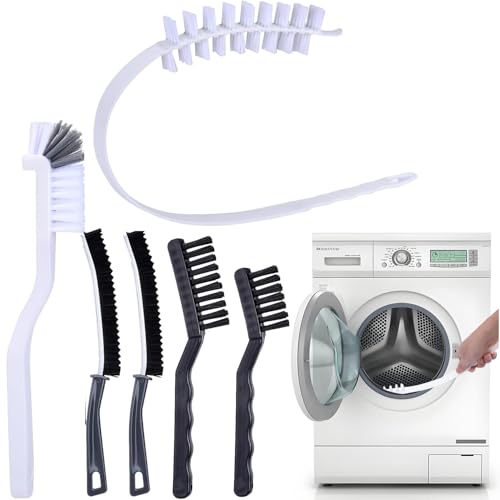
- Front load washer gasket cleaning brush or washing machine door seal scrub brush
- Stiff nylon gasket cleaning brush for front load washer
- Washer door seal cleaning scraper tool
- Gasket cleaning tool for rubber seal washing machine
- All-purpose cleaner or a mild solution of water and white vinegar
- Microfiber cloths for drying


Before You Start
Safety first: unplug the machine before any cleaning. Inspect the gasket for signs of wear, cracks, or mold exposure that could indicate a need for replacement. Prepare a washable area around the machine to catch drips. Time estimate for this task is 20–40 minutes for a thorough cleaning. Critical cautions include not using harsh abrasives on the rubber, avoiding metal tools that can tear the seal, and ensuring all cleaners are rinsed away to prevent residue in laundry cycles.
Step-By-Step: How To Clean A Washer Door Seal
- Power down and inspect. Unplug the washer and open the door. Visually inspect the gasket—look for mold spots, slimy film, or debris lodged in the folds.
- Remove loose debris. Use your soft brush or gasket cleaning scraper tool to gently lift and remove lint, soap scum, or hair from the seams.
- Prepare a cleaning solution. Mix warm water with a mild cleaner or white vinegar to break down mineral deposits and soap scum. Lightly mist the gasket with the solution.
- Scrub the folds. Using the washing machine door seal scrub brush or front load washer gasket cleaning brush, work from the outer edge toward the center of each fold, paying attention to the inner cavities where grime collects.
- Target stubborn buildup. For tight spots, switch to the stiff nylon gasket cleaning brush for front load washer, applying gentle pressure to dislodge stuck residue without damaging the rubber.
- Rinse and wipe. Dampen a cloth with clean water and wipe away loosened grime. Repeat until the seal looks clean and feels smooth to the touch.
- Dried and post-clean check. Use a dry microfiber cloth to absorb remaining moisture. Leave the door slightly ajar for a few hours to ensure complete drying and airflow.
- Run a brief clean cycle. If the washer has a cleaning or “efficiency” cycle, run it with an empty load to flush any remaining cleaner and prevent odor recurrence.
Troubleshooting
| Symptom | Likely Cause | Fix | Prevention |
|---|---|---|---|
| Moldy smell persists after cleaning | Hidden mold in folds | Repeat cleaning with diluted bleach solution (if safe for your model) or baking soda paste; ensure thorough rinsing | Clean monthly; keep door slightly ajar after cycles |
| Stubborn residue remains in folds | Soap scum buildup | Use a silicone-safe scraper to loosen residue, then scrub again | Run a monthly cleaning cycle with cleaner |
| Seal looks cracked or deformed | Age/wear of gasket | Inspect for replacement; avoid aggressive tools | Regularly inspect and replace as needed |
| Water leaks from door during wash | Damaged gasket or improper seating | Check seal seating and replace gasket if damaged | Ensure correct installation; wipe gasket and keep dry |
Common Mistakes
- Using strong solvents that degrade rubber
- Scrubbing too aggressively with metal tools
- Forgetting to dry the gasket after cleaning
- Neglecting to clean the inner folds where mold hides
Prevent these mistakes by choosing soft brushes, following manufacturer guidelines for cleaners, and drying the seal thoroughly after each cleaning session.
Tips For Best Results
- Schedule a monthly gasket clean to prevent buildup and odors
- Use a dedicated gasket cleaning brush for best reach in tight folds
- Rotate between light cleaning with water and occasional deeper scrubs with a mild cleaner
- Always rinse and dry completely to minimize moisture that fosters mold
- If odors persist, consider running an extended cleaning cycle with a reset for the machine’s filter and inlet areas
Call A Professional
Stop and seek professional help if the door seal shows cracks, tears, or deformation that affects water containment, or if there is persistent leakage despite cleaning. If cleaning requires disassembly beyond basic scrubbing, contact a certified appliance technician. Do not attempt seal replacement yourself if the model requires specialized tools.
FAQ
How often should I clean the washer door seal?
Aim for a thorough clean every month, with a quick wipe-down after each load to prevent buildup.
Can I use bleach on the rubber gasket?
Check the manufacturer’s guidance, but many gaskets tolerate diluted bleach; always rinse thoroughly after use.
What tools are best for tight gasket folds?
A stiff nylon gasket cleaning brush or a dedicated scraper tool works well for hard-to-reach areas.
What if the gasket is leaking after cleaning?
Leaking may indicate a damaged gasket or improper seating; inspect for wear and consider professional replacement if necessary.
Should I remove the gasket for cleaning?
For most front-load washers, cleaning without removing the gasket is sufficient; only remove if the manufacturer instructs and you have clear guidance.
Buying Guide
When selecting gasket cleaning tools, consider compatibility with your washer model and the finish of the gasket. Factors include tool shape, bristle stiffness, and reach to reach inner folds. Look for a front load washer gasket cleaning brush with soft, dense bristles that won’t scratch rubber. A washing machine door seal scrub brush should have a long, angled handle for easier access. For stubborn buildup, a stiff nylon gasket cleaning brush for front load washer offers extra scrubbing power, but avoid metal bristles that can damage the seal. A washer door seal cleaning scraper tool helps loosen stubborn grime from tight corners without tearing the rubber. Choose a kit that includes a gasket cleaning tool for rubber seal washing machine and a microfiber cloth for drying. Finally, select a mild cleaning solution or vinegar-based spray for safe, effective residue removal. Consider product bundles that pair brushes and scrapers with a recommended cleaner to simplify maintenance and ensure consistent results.