Cleaning walls without removing paint requires gentle techniques, the right tools, and a plan that minimizes scrubbing. This guide outlines practical steps to refresh walls while preserving their finish in American homes.
Quick Answer
Use a soft touch, warm water, and gentle cleaning tools. Start with a dry or lightly damp microfiber cloth, then switch to a damp sponge or soft-bristle brush for stubborn spots. Avoid harsh chemicals and high-pressure scrubbing that can wear away paint over time.
What You’ll Need
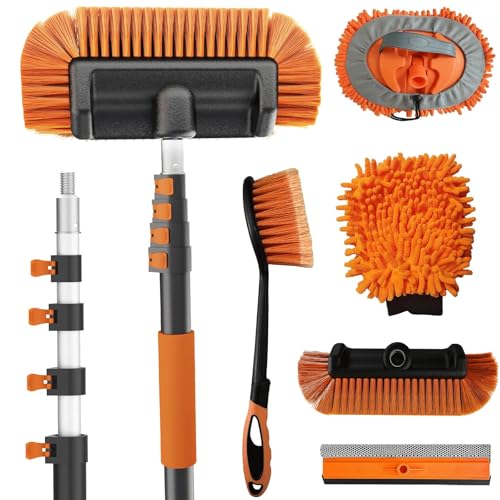
- Extendable microfiber wall cleaning mop with washable pad
- Soft bristle wall scrub brush for painted walls
- Microfiber wall cleaning sponge mitt
- Long-handle wall cleaning wand with microfiber pad
- Wall wash brush kit with adjustable pole


Before You Start
Plan a small area test on a hidden section to ensure the cleaning method won’t affect the finish. Gather tools before you begin to minimize repeats. Time range for a typical room: 20–60 minutes, depending on wall height and dirt level. Important cautions: avoid abrasive pads, harsh solvents, or high heat. Protect nearby surfaces with painter’s tape if needed.
Step-By-Step: How To Clean Painted Walls
- Remove loose dust with a dry microfiber cloth or duster from top to bottom to prevent smearing.
- Prepare a mild cleaning solution: mix warm water with a small amount of gentle dish soap in a bucket.
- Dip the microfiber pad or sponge lightly and wring out well to prevent dripping or saturating the wall.
- Wipe walls in broad, overlapping strokes, starting at the top and working downward to catch gravity’s mess.
- For stubborn spots, use a soft bristle wall scrub brush for painted walls with light, circular motions; avoid scrubbing hard.
- Rinse the area with a barely damp cloth to remove soap residue and prevent streaks.
- Dry the wall with a clean, dry microfiber cloth to prevent water stains or paint softening.
- For textured surfaces, test a small area with a extendable microfiber wall cleaning mop and a percussive but gentle touch.
- Tackle high ceilings or hard-to-reach spots with a long-handle wall cleaning wand with microfiber pad to avoid stair or ladder risk alone.
- Inspect walls for any remaining spots; repeat the gentle cleaning process as needed, avoiding excessive moisture.
- Address marks promptly after meals, pets, or kids to minimize staining and discoloration over time.
Troubleshooting
| Symptom | Likely Cause | Fix | Prevention |
|---|---|---|---|
| Streaks after cleaning | Soap residue or water streaks | Wipe with a barely damp cloth and dry immediately | Rinse thoroughly; wring pads well |
| Paint dulls or lifts | Overly aggressive scrubbing or harsh chemicals | Switch to mild soap and gentler motion | Avoid rough pads; spot-test first |
| Discoloration near corners | Moisture buildup or poor drying | Dry thoroughly with a clean cloth | Work in small sections and dry as you go |
| Scratches appear after cleaning | Scrub forcefully or used abrasive tools | Stop using rough tools; switch to microfiber | Use soft brushes only on painted surfaces |
Common Mistakes
- Using abrasive pads or powders that scratch finished walls
- Wetting walls too heavily, causing bubbling or paint peeling
- Using hot water or strong solvents on latex or enamel paints
- Neglecting to dry walls after cleaning, leading to moisture damage
Tips For Best Results
- Start with the dry method. A microfiber cloth can lift most dirt without moisture.
- Test cleaners on a small area first to confirm compatibility with the paint finish.
- Use circular motions for stubborn marks, then blend outward with long strokes to minimize lines.
- Maintain the pads and brushes clean; dirty tools spread grime back onto walls.
- Limit cleaning frequency to preserve painted surfaces; annual light cleaning is usually sufficient.
Call A Professional
Consider a professional if walls show peeling paint, extensive water damage, or if large sections require cleaning after structural repairs. Stop cleaning and consult a pro if paint separation, blistering, or mold signs appear.
FAQ
Can I use vinegar to clean painted walls?
Yes, in small amounts diluted with water, but test first as it may affect certain finishes.
Is warm water better than cold for cleaning walls?
Warm water helps lift grime without damaging paint and is generally effective for most finishes.
What should I do about scuff marks on painted walls?
Use a soft-bristle brush with mild soap and water; pat dry to avoid oversoaking the area.
Are there safe brushes for glossy paint finishes?
Yes, soft-bristle brushes or microfiber tools are safest for glossy paints to prevent scratching.
How often should I clean painted walls?
Typically every 6–12 months, or when visible dirt accumulates, depending on household activity.
Buying Guide
When selecting wall cleaning tools, consider factors like reach, surface compatibility, and ease of use. A kit that includes an extendable handle and microfiber pads helps maintain consistent results across walls and ceilings. Evaluate how the tools fit your home layout, especially vaulted ceilings or tight corners. Noise, weight, and storage needs also matter for regular use. Compare options that offer washable pads and durable bristles to keep walls looking fresh without risking paint integrity. Including multiple attachment types in the kit can cover different wall textures and staining scenarios.