Virgin wool requires gentle care to preserve softness, shape, and natural fibers. With the right tools and a careful approach, you can refresh coats, sweaters, and other virgin wool pieces at home without damage. This guide covers practical steps, product recommendations, and common pitfalls to avoid.
Quick Answer
For most virgin wool garments, use a dedicated wool wash detergent formulated for delicate fabrics, spot clean small stains, and finish with a fabric steamer or gentle brushing to restore fluff. Avoid hot water, harsh chemicals, and high heat drying. Regular lint removal and periodic deodorizing can extend wear between full washes.
What You’ll Need
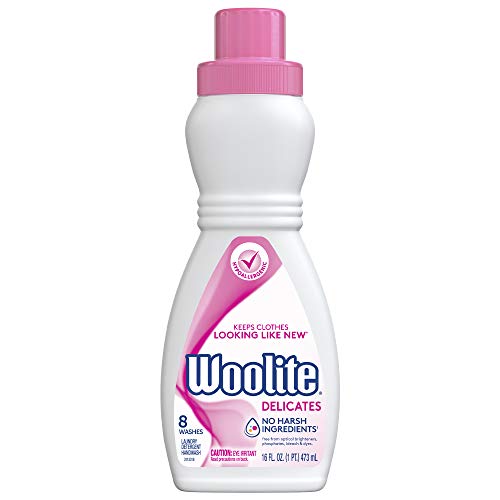
- wool wash detergent for delicate fabrics 16 oz
- lint roller for wool sweaters premium adhesive
- fabric shaver for wool sweaters
- wool cleaning brush nylon bristles
- garment steamer for wool coats


Before You Start
Virgin wool is naturally insulating and resistive to odors, but it is also susceptible to shrinking, felting, and distortion if mishandled. Test any cleaner on an inconspicuous area first. Use cool or lukewarm water and gentle motions. Never tumble dry virgin wool; air drying flat or on a hanger helps maintain shape. Plan for 60–90 minutes of care per garment, depending on size and soil level.
Step-By-Step: How To Clean Virgin Wool
- Inspect the garment for stains, moth holes, or pilling. Note areas that need extra attention, such as underarms or cuffs.
- Gently brush away surface dust with a nylon-bristle wool cleaning brush to lift fibers without snagging.
- Fill a clean basin with cool or lukewarm water and add a wool wash detergent for delicate fabrics following the bottle’s dilution guidance.
- Submerge the garment and swirl softly for 5–10 minutes. Do not rub or wring; instead, lightly press water through the fabric to lift dirt.
- Rinse in cool water, repeating until the water runs clear. Avoid hot water which can cause felting or shrinking.
- Carefully press out excess water—do not twist. Lay the garment flat on a clean towel, roll gently to remove more moisture, then lay flat to air dry away from direct sunlight.
- For gentle reshaping, while damp, reshape seams and sleeves by hand. Use a garment steamer to remove wrinkles; hold the steamer at a safe distance to avoid direct contact with the fabric.
- Once dry, use a fabric shaver for wool sweaters to remove pills; follow the grain of the fabric and work in small sections.
- Run a lint roller over the surface to pick up fluff and any remaining lint, then lightly brush to restore nap.
- Store clean virgin wool in a breathable garment bag and avoid overcrowding to prevent new creases and odor buildup.
- For long-term care, spot-clean as needed and schedule a light wash only when soil or odors accumulate beyond surface level.
Troubleshooting
| Symptom | Likely Cause | Fix | Prevention |
|---|---|---|---|
| Shrinking after wash | Water is too hot or agitation is too strong | Use cool water and gentle swirls | Always check care label and test in an inconspicuous area |
| Felting or matting | Over-wetting or rubbing during washing | Limit movement; wash in basin; do not wring | Handle fabric gently and avoid high-heat drying |
| Pilling increases after wear | Friction from sleeves or underarms | Use a fabric shaver; re-brush fibers | Rotate garments; use anti-pill treatments sparingly |
| Stubborn odor | Residual moisture or trapped fibers | Air dry thoroughly; consider a gentle steam | Ensure complete drying before storing |
| Streaks after steaming | Direct steam contact or water droplets | Keep steamer at a distance; move continuously | Practice on a scrap fabric first |
Common Mistakes
- Washing virgin wool in hot water or with aggressive detergents
- Attaching heat-based dryers or irons directly to wool fabric
- Rubbing stains aggressively instead of spot-treating
- Over-brushing, which can push fibers out of shape
Careful handling helps maintain fiber integrity and the garment’s natural drape. When unsure, test a small area before full cleaning.
Tips For Best Results
- Use a dedicated detergent designed for delicate wool to preserve lanolin and softness.
- Clean small areas as needed between full washes to extend wear without full immersion.
- Where possible, opt for hand washing rather than machine washing to minimize agitation.
- Store garments clean and dry; moisture invites odor and mildew in sealed closets.
- Regularly brush lightly to maintain nap and remove surface dust.
Call A Professional
Consider a professional cleaner if the wool item has:
- Extensive staining that resists spot treatment
- Delicate finishes or embroidery that could be damaged by home methods
- Signs of moth damage or thinning fibers that require special cleaning processes
Stop signs include persistent felting, shrinking after multiple cleanings, or visible damage despite following care steps. If any of these occur, a professional cleaner experienced with wool fabrics is recommended.
FAQ
Can I wash virgin wool in a standard washing machine?
It is best to avoid machine washing for most virgin wool items. If machine washing is permitted on the care label, use a gentle cycle in cold water and place the garment in a mesh laundry bag.
How often should virgin wool coats be cleaned?
Refresh lightly between wears with spot cleaning and brushing. Full cleaning is typically recommended every few seasons or when soiled or odorous.
Is fabric steam safe for all virgin wool garments?
Yes, when used at a safe distance and with short bursts. Steaming helps relax wrinkles without direct contact that could stretch fibers.
What should I do about pills on wool sweaters?
A fabric shaver or lint roller can remove pills safely. Work in small sections and follow the fiber direction to avoid snags.
Can I use fabric softener with virgin wool?
Most wool care guides advise avoiding conventional fabric softeners, as they can coat fibers and reduce breathability. Use a wool-specific product if recommended.
Should I dry virgin wool flat or on a hanger?
Flat drying preserves shape and reduces distortions. Hang only if the garment is structured to hang without stretching.
What if I don’t have a garment steamer?
A light spray bottle of cool water and a low-heat iron with a pressing cloth can substitute briefly, but avoid direct high heat.
Buying Guide
When selecting tools for virgin wool care, consider size, performance, and compatibility with delicate fabrics. A few buying factors help ensure the right balance between effectiveness and fabric safety.
Size and Weight
Choose brushes and lint rollers that are comfortable to hold and easy to maneuver on knit fabrics. A compact lint roller is ideal for quick touch-ups, while a larger brush can cover coats efficiently.
Noise Level and Heat
Garment steamers vary in noise and heat. Look for models with adjustable steam settings and a gentle heat profile to avoid scorching wool fibers.
Energy Efficiency
Opt for energy-efficient steamers and low-power washing options if you frequently care for wool garments. Manual brushing requires no energy at all but benefits from quality tools.
Controls and Ease Of Use
Prefer simple controls and clearly labeled settings. A visible water reservoir and easy cleaning access extend tool life and simplify maintenance.
Placement and Storage
Store wool care tools in a breathable cabinet or on a dedicated shelf. Keep detergents away from sunlight to prevent degradation of cleaning agents.
Durability And Materials
Look for nylon-bristle brushes designed for delicate fibers and peppermint- or fragrance-free detergents to minimize irritation on sensitive skin.