Vinyl wallpaper is a durable, wipeable option for many rooms, but it still benefits from proper cleaning techniques to keep colors vibrant and surfaces free of grime. This guide provides practical steps, safe products, and expert tips tailored for American homes.
By following a structured approach, homeowners can remove fingerprints, cooking splatters, and everyday dust without damaging the vinyl finish or adhesive beneath.
Quick Answer
Use a soft sponge or microfiber cloth dampened with a mild cleaning solution, then wipe with a clean damp cloth and dry with a soft towel. For stubborn spots, repeat with gentle pressure and avoid abrasive tools that can scratch the surface.
What You’ll Need
- vinyl wallpaper cleaning sponge scrubber
- microfiber cloths for vinyl wallpaper cleaning
- wallpaper cleaning squeegee for vinyl wallpaper
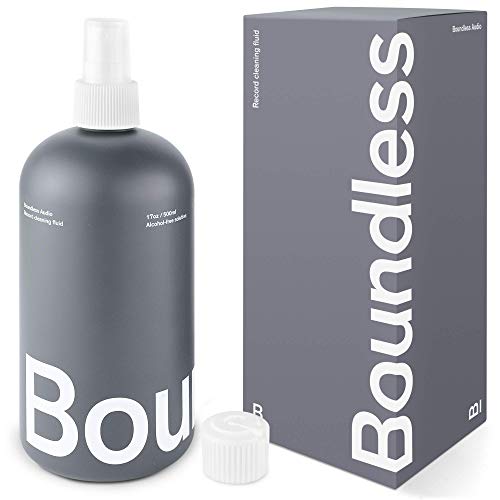
- spray bottle for vinyl wallpaper cleaning solution
- soft microfiber mop for vinyl wallpaper cleaning


Before You Start
Prepare the area by moving furniture and laying down a drop cloth. Test any cleaner on an inconspicuous corner to ensure colorfastness. Use lukewarm water rather than hot water, which can soften adhesives. Avoid abrasive pads, bleach, and ammonia-based cleaners that may damage the vinyl finish. Set aside about 15–30 minutes for a typical room cleaning, longer for heavily soiled walls.
Step-By-Step: How To Clean Vinyl Wallpaper
- Dust the surface with a dry microfiber cloth to prevent mud from turning into scratches during washing.
- Fill the spray bottle with a mild soap solution or a vinyl-safe cleaner recommended by manufacturers.
- Lightly mist a small, inconspicuous area before proceeding to a larger section to confirm compatibility.
- Gently wipe the wall in a downward motion using a soft microfiber mop or a microfiber cloth.
- For stubborn marks, use the vinyl wallpaper cleaning sponge scrubber with light pressure in a circular motion, then wipe away residue with a clean cloth.
- Rinse each area with a clean damp cloth to remove any soap film, working from top to bottom.
- Use a wallpaper cleaning squeegee for vinyl wallpaper to remove excess moisture from seams and corners.
- Dry the wall with a dry microfiber cloth to prevent water spots and keep the finish bright.
- Repeat on adjacent sections, reloading cloths and swapping sponges as needed to avoid spreading dirt.
- Inspect for remaining stains; repeat the appropriate step if necessary, then allow walls to air dry completely.
- Store cleaners and tools in a cool, dry place out of direct sun to preserve effectiveness.
Troubleshooting
| Symptom | Likely Cause | Fix | Prevention |
|---|---|---|---|
| Water stains appear | Leftover moisture | Dry thoroughly with a towel and squeegee | Wipe in a single pass and avoid over-wetting |
| Streaks after cleaning | Soap residue | Rinse with clean water and wipe | Use minimal cleaner and an extra rinse |
| Scratches or dull finish | Abrasive tool used | Switch to soft tools and light pressure | Never scrub with rough pads |
| Discoloration around seams | Improper drying or cleaners | Dry seams thoroughly and re-wipe with mild solution | Test cleaners first and avoid harsh chemicals |
Common Mistakes
- Using abrasive sponges or brushes that scratch the vinyl surface
- Over-wetting walls, which can loosen adhesive over time
- Applying strong solvents like bleach near colored patterns
- Skipping a test patch before cleaning large areas
Tips For Best Results
- Work in small sections from top to bottom to catch drips early.
- Use separate cloths for dirty and clean areas to avoid spreading grime.
- Choose a spray bottle for vinyl wallpaper cleaning solution with a mild, pH-neutral formula.
- For high-gloss vinyl, avoid harsh presses that can dull the finish.
- Keep humidity low during cleaning to accelerate drying time.
Call A Professional
Call a pro if the wallpaper shows peeling seams, water damage, or extensive staining that cannot be cleaned with standard methods. Seek professional help when adhesive appears degraded or if cleaning requires steam, which can risk loosening edges.
FAQ
Is it safe to use soap and water on vinyl wallpaper?
Yes, a mild soap solution with lukewarm water is generally safe when applied with light pressure and followed by a thorough rinse.
Can I use vinegar to clean vinyl wallpaper?
Vinegar can be used in small amounts for spot cleaning, but test first and avoid strong concentrations on colored patterns.
How do I remove tough stains from vinyl wallpaper?
Gently scrub with a vinyl-safe sponge and minimal pressure, then finish with a clean damp cloth to remove residue.
What should I do if the wallpaper wrinkles after cleaning?
Let it dry completely and, if needed, consult a professional for reseaming or reapplication guidance.
Buying Guide: Choosing The Right Cleaning Setup For Vinyl Wallpaper
When selecting tools for vinyl wallpaper care, consider how often cleaning occurs, room traffic, and the wallpaper’s finish. A practical kit includes a vinyl wallpaper cleaning sponge scrubber for spots, microfiber cloths for vinyl wallpaper cleaning to lift dirt without scratching, a wallpaper cleaning squeegee for vinyl wallpaper to remove excess moisture, a spray bottle for vinyl wallpaper cleaning solution for controlled application, and a soft microfiber mop for vinyl wallpaper cleaning to cover larger areas smoothly. For optimal results, choose tools that are gentle, durable, and easy to sanitize after use.
Size matters for reach and storage, while noise levels are negligible with manual tools. Look for a spray bottle with adjustable nozzles and a microfiber cloth set that includes different textures for varying stains. Consider a modular kit that keeps all items together, simplifying routine cleanups. Placement of tools should be convenient—keep the kit near the cleaning area to encourage regular maintenance rather than reactive cleaning.