Vinyl shower walls are a practical, affordable option for many bathrooms. Regular cleaning helps prevent soap scum, mildew, and hard water deposits that can dull their appearance. This guide provides a practical, step-by-step method with common household tools to keep vinyl shower walls looking bright and new without damaging the surface.
Quick Answer
Best initial approach: gather a soft non-scratch sponge, a microfiber mitt, a nylon scrub brush for stubborn spots, and a reusable spray bottle for a mild cleaning solution. Use light, circular motions and rinse thoroughly. A retractable squeegee helps keep glass and vinyl walls clear after cleaning.
What You’ll Need
- nylon scrub brush for vinyl shower walls
- microfiber cleaning mitt for shower walls
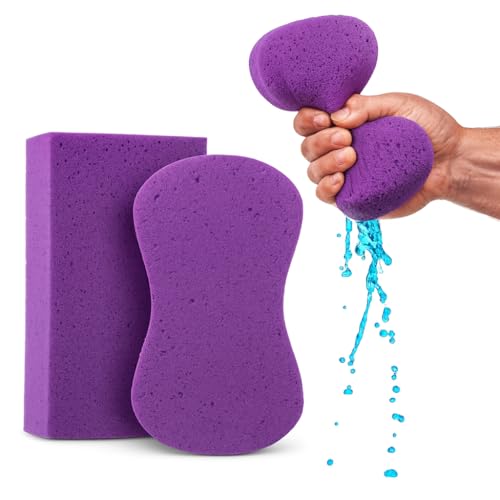
- non-scratch sponge for vinyl shower wall cleaning
- retractable squeegee for shower glass vinyl walls
- reusable spray bottle for bathroom cleaners


Before You Start
Prepare the bathroom by removing items from the shower and closing the door or curtain to minimize drafts. Ventilate the space if possible. Check for any damaged vinyl seams; avoid aggressive scrubbing on loose edges. Time estimate: 15–30 minutes per cleaning session, depending on soiling. Important: test a small, inconspicuous patch of vinyl with your cleaner to ensure colorfastness and avoid discoloration. Wear gloves if you have sensitive skin, and avoid abrasive cleaners that can scratch vinyl.
Step-By-Step: How To Clean Vinyl Shower Walls
- Fill the reusable spray bottle with a mild bathroom cleaner or a simple DIY solution of warm water and a small amount of mild dish soap.
- Spray the cleaner evenly on the vinyl walls, focusing on areas with soap scum and mineral deposits.
- Let the solution sit for 2–3 minutes to loosen grime, then wipe with a microfiber cleaning mitt to lift soap residue without scratching.
- For tougher spots, use a nylon scrub brush for vinyl shower walls with gentle circular motions to avoid abrading the surface.
- Rinse the walls with warm water to remove cleaner and loosened grime. Use a cup or handheld showerhead for thorough rinsing.
- Wipe down the walls with a non-scratch sponge for vinyl shower wall cleaning to remove remaining residue and prevent streaks.
- Run a light skim of clean water over the joints to prevent soap scum buildup. For glass panels, use a retractable squeegee for shower glass vinyl walls to remove excess water.
- Dry the walls with a microfiber mitt or a clean towel to prevent water spots and mildew growth.
- Inspect the surface for any remaining scale, repeating steps as needed for stubborn areas.
- Finish with a quick spray of the cleaner on high-risk zones (shower door tracks, corners) and wipe away once more for a polished look.
- Store tools dry and away from moisture to prevent mold growth on cleaning implements.
- Set a routine: light weekly wipe-down and a deeper clean every 2–4 weeks depending on usage.
Troubleshooting
| Symptom | Likely Cause | Fix | Prevention |
|---|---|---|---|
| Streaks or water spots | Hard water minerals | Rinse with warm water, dry with microfiber | Wipe after each shower |
| Soap scum buildup | Soap and body oils | Use a mild cleaner and a nylon brush for stubborn areas | Clean weekly |
| Mildew in corners | moist, dark corners | Apply diluted bleach solution or commercial mildew remover; rinse well | Improve ventilation; dry surfaces |
| Discoloration after cleaning | Aggressive cleaners or abrasive scrubbing | Switch to a gentler cleaner; switch to soft scrubbing tools | Test cleaners first; avoid harsh abrasives |
| Scratching or dullness | Excessive scrubbing or coarse tools | Switch to non-scratch sponge and microfiber; reduce pressure | Use proper tools; follow surface care guidelines |
Common Mistakes
- Using abrasive brushes or powders that scratch vinyl.
- Neglecting to rinse after cleaning, leaving residue that attracts more grime.
- Over-wetting delicate vinyl seams or caulk, leading to water damage over time.
- Applying cleaners directly to glass and vinyl seams without dilution when instructions recommend dilution.
- Forgetting to ventilate the bathroom, which promotes mildew growth.
Tips For Best Results
Consistency is key. A quick weekly wipe with a microfiber mitt prevents heavy buildup. When tackling hard water deposits, a citric acid-based cleaner or white vinegar solution can be effective on vinyl surfaces. Use the reusable spray bottle for bathroom cleaners to mix your own solution at home and avoid waste. After cleaning, dry surfaces thoroughly to prevent mildew. Consider placing a small squeegee within reach for easy maintenance after showers.
Call A Professional
If vinyl walls show persistent warping, cracking, or mold growth that spreads beyond surface cleaning, or if you notice recurring leaks around seams, it is time to consult a professional. Stop attempting repairs yourself when you encounter structural damage or persistent moisture problems. A licensed contractor can assess seal integrity, caulking, and hardware that require replacement to avoid further issues.
FAQ
What cleaners are safe for vinyl shower walls?
Use mild, non-abrasive cleaners and test any product on a small area first. Diluted dish soap or a dedicated bathroom cleaner is often sufficient.
How often should I clean vinyl shower walls?
Light weekly maintenance plus a deeper clean every 2–4 weeks helps prevent buildup and prolongs surface life.
Can I use vinegar on vinyl shower walls?
Yes, a diluted vinegar solution can help remove mineral deposits, but avoid using straight vinegar on any surfaces that may be sensitive or require sealing.
What tools are best for vinyl walls?
A microfiber mitt, a non-scratch sponge, a nylon scrub brush for stubborn spots, and a retractable squeegee are effective and safe choices.
Is heat or steam harmful to vinyl walls?
Moderate steam is usually safe, but excessive heat can warp vinyl. Use controlled cleaning methods and avoid direct heat exposure.
Buying Guide
When choosing products for cleaning vinyl shower walls, consider size, material compatibility, and ergonomics. A compact nylon scrub brush for vinyl shower walls makes tight corners easier to reach, while a soft microfiber cleaning mitt for shower walls reduces scratching on smooth surfaces. A retractable squeegee for shower glass vinyl walls helps maintain clear panels and prevents water spots. Keep a reusable spray bottle for bathroom cleaners filled with a mild solution to simplify routine cleaning. For stubborn grime, a non-scratch sponge for vinyl shower wall cleaning provides gentle scrubbing power without damaging the vinyl. Consider cabinets or organizers that keep tools within reach and reduce clutter, which encourages regular cleaning. Noise, energy efficiency, and placement are less critical for the cleaning session itself but matter for overall bathroom upkeep and environmental impact. Choosing tools that fit your grip and cleaning style will yield the best long-term results.