Vinyl boat seating adds comfort and style to any vessel, but it also requires regular care to resist salt, sun, and mildew. A simple, well-planned cleaning routine can extend the life of your materials while keeping the cockpit looking sharp. This guide provides practical steps, tools, and safety tips to restore vinyl seats on a typical American pleasure boat.
By following a structured approach, boat owners can remove dirt, prevent cracking, and maintain flexible, supple vinyl. The method balances effective cleaning with gentle products designed for marine environments, ensuring long-lasting results under typical boating conditions.
Quick Answer
Start with a marine vinyl cleaner, scrub gently with a soft bristle brush, rinse thoroughly, dry, and apply a vinyl seat conditioner to protect the surface. For stubborn stains, repeat the process and consider a non-scratch sponge for delicate areas. Always test a hidden spot first.
What You’ll Need
- marine vinyl cleaner spray bottle
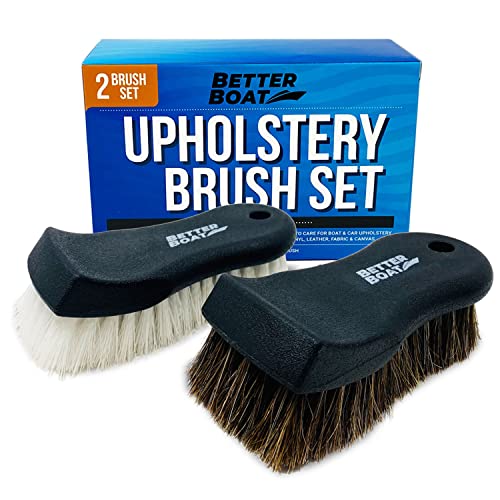
- soft bristle scrub brush for boat vinyl seats
- microfiber cleaning towels boat vinyl
- vinyl seat conditioner marine spray
- non-scratch sponge marine vinyl cleaning kit


Before You Start
Prepare a clean, shaded work area on the boat to avoid rapid drying and water spots. Wear gloves and eye protection if you’re using chemical cleaners. Test the cleaner on a discreet area of the seat for colorfastness and finish compatibility. Plan for a total clean time of about 20–40 minutes per area, depending on the stain severity. Avoid harsh solvents, abrasive pads, and ammonia-based cleaners as they can damage vinyl.
Step-By-Step: How To Clean Vinyl Seats On A Boat
- Remove loose debris with a dry microfiber towel to prevent grinding dirt into the surface during cleaning.
- Spray a generous, even coat of marine vinyl cleaner onto the seat, focusing on stained or discolored regions.
- Let the cleaner dwell for 1–2 minutes to break down grime without letting it dry on the surface.
- Using a soft bristle brush for boat vinyl seats, gently agitate the material in circular motions to lift dirt without abrading the vinyl.
- Wipe away loosened dirt with a clean microfiber towel, flipping to a fresh area as needed.
- If stains persist, apply cleaner again and gently scrub with a non-scratch sponge marine vinyl cleaning kit in light, even pressure.
- Rinse the area thoroughly with clean water from a spray bottle or marine rinse, ensuring all cleaner residue is removed.
- Dry the surface with a soft microfiber towel to prevent water spots and mildew growth.
- Apply a thin coat of vinyl seat conditioner marine spray to restore suppleness and provide UV protection. Allow moisture to absorb before use.
- Buff lightly with a clean towel to remove any streaks and even the finish across seams and pleats.
- Inspect seams and stitched areas for signs of wear; address issues promptly to prevent further damage.
- Repeat the process periodically, with more frequent cleaning in saltwater or high-sun environments.
Troubleshooting
| Symptom | Likely Cause | Fix | Prevention |
|---|---|---|---|
| Streaks after drying | Residual cleaner or water spots | Rewipe with clean microfiber towels and dry completely | Rinse thoroughly; dry in shade |
| Sticky feel after cleaning | Cleaner residue or sunscreen/oil buildup | Rinse well, wipe, and consider a light conditioner | Test compatibility; use recommended products |
| Discoloration or fading | UV damage or harsh cleaners | Use UV-protective conditioner and avoid strong solvents | Cover or shade seats when berthed |
| Cracking near seams | Drying out or age-related wear | Conditioner and, if needed, professional assessment | Regular conditioning to maintain elasticity |
Common Mistakes To Avoid
- Using household cleaners with ammonia or bleach on vinyl
- Scrubbing too aggressively with stiff brushes or scouring pads
- Skipping a test patch before full-area application
- Finishing without allowing enough drying time before use
Tips For Best Results
- Test every product in a hidden corner before full application to prevent color loss.
- Work in small sections to ensure consistent cleaning and drying.
- Schedule cleaning after exposure to salt spray or marine grime, not just when seats look dirty.
- Pair cleaning with a protective conditioner to extend life and maintain flexibility.
- Store cleaning supplies in a dry, shaded area on board to prevent deterioration of containers.
Call A Professional
Consider a professional if vinyl shows deep cracks, extensive mold, or stubborn staining that does not respond to routine cleaning. Stop signs include persistent discoloration after repeated cleanings, foul odors that resist airing out, and any structural damage near seams. A pro can assess whether refurbishment or replacement is necessary and offer marine-grade solutions.
FAQ
Can I use dish soap to clean vinyl boat seats?
Dish soap is not ideal for vinyl in marine environments; it can leave residues. Use a marine vinyl cleaner recommended for boat interiors.
How often should I clean vinyl seats on a boat?
Clean seats after exposure to saltwater, sunscreen, or heavy use, and perform a light maintenance clean every few weeks during peak season.
Is conditioner essential after cleaning?
Yes. A vinyl seat conditioner helps restore flexibility, provides UV protection, and reduces cracking.
What if the color fades after cleaning?
Color fading may indicate UV damage. Use a conditioner and consider professional evaluation if fading continues.
Are there eco-friendly options for marine vinyl?
Look for cleaners labeled as marine-safe or eco-friendly that are approved for vinyl and ships’ cleaning guidelines.
Should I wax vinyl seats?
Waxing is not typically recommended for vinyl; use a dedicated vinyl conditioner instead for best results.
Buying Guide
Choosing cleaning and protection products for boat vinyl involves several factors. Consider size and coverage to match the seating area and frequency of use. Noise level is not a factor here, but ease of use matters, such as spray bottles versus concentrate in a kit. Look for energy efficiency in the sense of minimal water and product waste, including ready-to-use sprays that require less dilution. Evaluate controls on bottles for simple spray, wipe, or brush application. Finally, think about placement of your products—keep cleaners in a dry, shaded storage area on the boat to prolong shelf life. When comparing options, prioritize marine-grade formulations, UV protection, and compatibility with vinyl seating finishes. A practical approach is to pair a cleaner with a dedicated conditioner, then test compatibility in a hidden area before full use. If purchasing a kit, ensure it contains both a soft brush and non-scratch sponge to address different stain types.