Vinyl chairs are a popular choice for homes, offices, and dining areas due to their durability and easy maintenance. With the right cleaning routine, they can look near new for years. This guide provides practical, step-by-step instructions using common supplies and specifically recommended products to keep vinyl chairs clean without damage.
Quick Answer
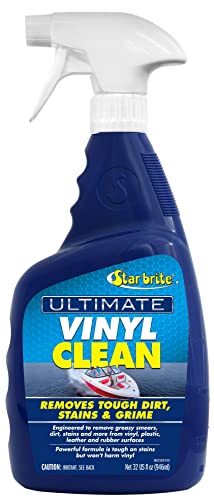
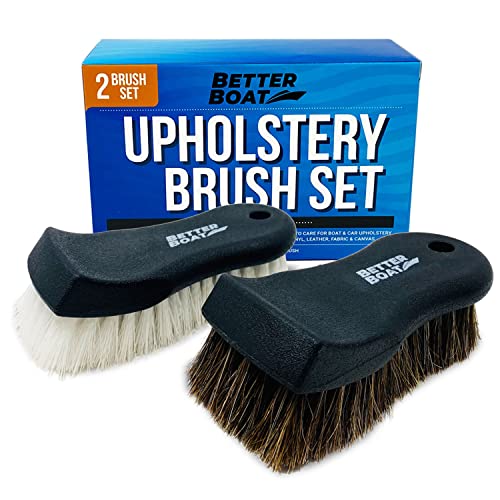
For a fast clean, start with a mild vinyl chair cleaner spray, wipe with a microfiber cloth, and spot-treat stains with a vinyl upholstery stain remover spray. For stubborn grime, use a soft bristle upholstery brush, then wipe dry. A handheld fabric steamer can refresh crevices, but avoid excessive moisture and heat on delicate seams.
What You’ll Need
- Vinyl chair cleaner spray for upholstery
- Microfiber cloths for vinyl chair cleaning
- Soft bristle upholstery brush for vinyl furniture
- Handheld fabric steamer for vinyl chairs
- Vinyl upholstery stain remover spray

Before You Start
Prepare the chair in a well-ventilated area. Test any cleaner on a small, inconspicuous area first to ensure colorfastness. Use warm—not hot—water to avoid damage to seams. Work in a pattern that reaches all surfaces, including arms, backs, and legs. Allocate about 15–30 minutes per chair for a thorough cleaning. Important: avoid harsh abrasive cleaners, solvent-based solvents, and excessive soaking, which can degrade vinyl over time.
Step-By-Step: How To Clean Vinyl Chairs
- Remove loose debris by wiping the chair with a dry microfiber cloth to prevent scratching during cleaning.
- Apply a light mist of vinyl chair cleaner spray onto a microfiber cloth, not directly onto the surface, to prevent pooling in crevices.
- Wipe the seat and back in a smooth, even motion, paying attention to stained or high-traffic areas.
- For stubborn spots, lightly dampen a soft bristle upholstery brush and work the area in gentle circular motions.
- Rinse the cloth frequently to avoid spreading grime. Reapply cleaner as needed and continue until surfaces look uniform.
- Spot-treat persistent stains with a vinyl upholstery stain remover spray. Follow the product directions and test first if possible.
- Use a handheld fabric steamer on low heat to lift fibers and remove residual wrinkles from seats, being careful around seams and edges.
- Wipe down with a clean, dry microfiber cloth to remove moisture and prevent streaks. Allow the chair to air-dry completely before use.
Troubleshooting
| Symptom | Likely Cause | Fix | Prevention |
|---|---|---|---|
| Streaks after cleaning | Excess moisture or dirty cloth | Wipe with dry microfiber and buff with a dry section | Use minimal spray; use clean, dry cloths |
| Fading color after cleaning | Harsh cleaner or solvent exposure | Switch to milder vinyl cleaner and test area first | Always test prior to full application |
| Stubborn grease in seams | Accumulated oil in crevices | Apply cleaner, use soft brush gently, wipe clean | Clean regularly to prevent buildup |
| Stains reappearing | Incomplete removal or porous spill marks | Re-treat with stain remover spray and rinse | Address spills promptly |
Common Mistakes
- Using harsh solvents or abrasive tools that scratch or degrade vinyl.
- Over-wetting the surface, which can seep into seams and cause odor or mold.
- Skipping a test patch, risking color change or damage.
- Neglecting to dry surfaces completely after cleaning.
Tips For Best Results
- Clean regularly with a light spray and microfiber cloth to maintain the finish and prevent buildup.
- Address spills immediately with a damp cloth, then dry promptly to reduce staining risk.
- Use a soft-bristle brush for textured vinyl to avoid damaging the surface while lifting dirt.
- Rotate cleaning tasks among chairs to ensure consistent results across all pieces.
Call A Professional
Consider professional help if a vinyl chair exhibits deep staining, cracking, or edge peeling that cleaner cannot fix. Seek expert advice before applying heat-based treatments to avoid warping or separation of layers. Stop repairs if the chair cover or seams show signs of tearing or bubbling, and consult a upholstery specialist.
FAQ
Can I use soap and water to clean vinyl chairs?
Yes, a mild soap with warm water can work for routine cleaning when used with a microfiber cloth. Rinse lightly and dry thoroughly.
Is it safe to use a steamer on vinyl chairs?
Low-heat, short bursts from a handheld fabric steamer can refresh and loosen grime, but avoid direct high heat or prolonged contact on seams.
How often should vinyl chairs be cleaned?
For high-traffic areas, a quick wipe-down weekly plus a more thorough cleaning every 4–6 weeks is typical. Adjust based on usage and staining.
What should I do about stubborn stains?
Apply a vinyl upholstery stain remover spray as directed, test first on a discreet area, and blot rather than rub to prevent spreading the stain.
Buying Guide
Choosing the right vinyl chair care routine and products depends on several factors. Consider the size of the chair and the amount of traffic it receives, as this affects how often you should clean. Noise level is generally not a concern for cleaning equipment, but if you plan to use steamers or vibration tools, choose models with quiet operation. Look for energy efficiency in any cleaning devices that require power, such as handheld steamers, and verify controls are simple and intuitive. Placement matters too: clean in a well-ventilated area to minimize lingering chemical smells. When comparing products, prioritize those designed for upholstery and vinyl surfaces, and assess the compatibility with your chair’s finish and stitching. For households with children or pets, select gentle formulas that are non-toxic and easy to rinse. Finally, ensure availability of spare parts and replacement pads or brushes for ongoing maintenance.