Vinyl boat windows require a careful cleaning routine to maintain clarity without damaging the material. Proper supplies and technique help prevent scratches, streaks, and clouding from salt, sunscreen, and grime. This guide provides a practical, serviceable approach for American boaters seeking crystal-clear views on the water.
Quick Answer
Keep it simple: rinse with fresh water, apply a non-abrasive vinyl cleaner, wipe with microfiber, and finish with a dedicated window cleaner to remove streaks. Use a soft squeegee for hard-to-reach corners and always dry the surface to prevent water spots.
A What You’ll Need
- marine vinyl window cleaner spray 32 oz
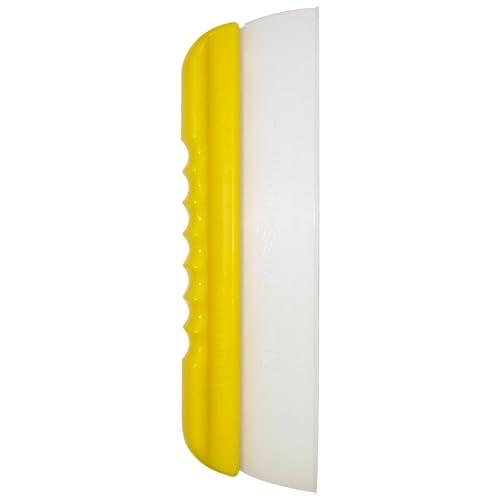
- 13 inch marine squeegee for boat windows
- microfiber cloths for vinyl boat windows
- non-abrasive marine vinyl cleaner
- boat window stain remover vinyl surface cleaner


Before You Start
Before cleaning, remove loose debris from the window edges with a soft brush or microfiber cloth. Rinse surfaces with fresh water to wash away salt and sand. Work in a shaded area or during cooler parts of the day to prevent cleaner drying too quickly and leaving streaks. Protect exposed seams and seals from harsh cleaners, and test any product on a small, inconspicuous spot first to ensure compatibility with your vinyl.
Step-By-Step: How To Clean Vinyl Boat Windows
- Rinse the exterior and interior window surfaces with clean, fresh water to remove salt and grime.
- Spray a light coat of non-abrasive marine vinyl cleaner on the glass and surrounding vinyl frame.
- Let the cleaner sit for 30–60 seconds to loosen dirt, then gently wipe with a microfiber cloth using circular motions.
- For stubborn spots, apply boat window stain remover vinyl surface cleaner directly to the area and agitate with a clean microfiber cloth.
- Use the 13 inch marine squeegee for windows, working from the top down to remove excess cleaner and water, especially in corners.
- Wipe the squeegee blade after each pass to avoid redepositing dirt, and repeat as needed for a streak-free finish.
- Dry the window thoroughly with a fresh microfiber cloth to prevent water spots and mineral deposits.
- Inspect for remaining streaks; if present, buff lightly with a dry microfiber until clarity is achieved.
- Clean window gaskets and seals last to prevent transfer of cleaner to other surfaces.
- Store cleaners in a cool, dry location and rinse tools after use to extend their life.
- For routine maintenance, repeat cleaning every 1–2 weeks during boating season or after heavy use.
- Seasonal deep cleans may involve a dedicated vinyl protectant after drying to maintain clarity and UV resistance.
Troubleshooting
| Symptom | Likely Cause | Fix | Prevention |
|---|---|---|---|
| Cloudy or hazy windows | Residue from cleaner or minerals | Resanda wipe with microfiber; re-clean with water-rinse and fresh cleaner | Rinse thoroughly; avoid high mineral content water |
| Streaks after cleaning | Improper drying or excess product | Dry with a clean microfiber in a second pass | Use two-step drying method; wipe in straight, overlapping strokes |
| Scratches visible | Abrasive contact or grit | Switch to gentler, non-abrasive cleaners; avoid rough cloths | Rinse surface before wiping; keep towels clean |
| Sticky residue | Over-application of cleaner | Remove with damp microfiber and rinse; re-clean with proper amount | Follow product directions; apply sparingly |
Common Mistakes
- Using household cleaners that contain ammonia or acrylic abrasives on vinyl windows
- Using rough cloths or sponges that scratch the vinyl surface
- Cleaning in direct sun or on hot surfaces that cause cleaners to dry too quickly
- Overlooking edges and seals where grime can transfer back to the glass
Tips For Best Results
- Work from top to bottom to help control drips and ensure a consistent finish.
- Maintain a dedicated microfiber cloth for vinyl windows to avoid cross-contamination with other surfaces.
- Use a two-step approach: cleaner for dirt, then a window-specific spray to banish streaks.
- Rinse tools after use to prevent residue transfer between windows.
- If your boat bleeds color onto vinyl, perform a small test with the stain remover in a hidden area first.
Call A Professional
Call a professional if cleaning requires aggressive scrubbing, if there are deep-set stains that do not respond to standard cleaners, or if severe clouding affects visibility. Also seek help if you detect damage to the vinyl or seals around the window, which could worsen with improper cleaning.
FAQ
Is it safe to use household window cleaners on vinyl boat windows?
No. Household cleaners can contain ammonia or abrasives that damage vinyl. Use products specifically designed for marine vinyl and glass surfaces.
How often should I clean vinyl boat windows?
For regular use, clean every 1–2 weeks during boating season and after heavy exposure to salt and sunscreen.
Can I use a regular squeegee on vinyl boat windows?
Yes, but ensure the blade is plastic and the edge is smooth to avoid scratching the vinyl. Use a dedicated marine squeegee if possible.
What if there are stubborn stains that won’t come out?
Apply a boat window stain remover vinyl surface cleaner and follow the product directions. If needed, repeat with gentle agitation and avoid scrubbing hard.
Should I apply a protectant after cleaning?
Yes. A vinyl-safe UV protectant can help prevent yellowing and clouding and extends the life of the window.
Are there any safety considerations on a boat?
Wear gloves, work in shade to avoid rapid drying, and ensure cleaners do not contact other surfaces that could be damaged.
Buying Guide
When selecting products for cleaning vinyl boat windows, consider size, performance, and ease of use. For cleaners, marine-specific formulas are preferred, with non-abrasive ingredients to protect vinyl. A 13 inch marine squeegee can help reach corners; microfiber cloths are essential for lint-free drying. Look for window cleaners that remove salt and mineral deposits effectively and are safe for vinyl seals. For ongoing maintenance, choose a spray-on cleaner designed for marine glass to minimize streaks. Evaluate how each product feels during use: is it easy to apply, wipe, and dry without leaving residue? Finally, consider storage and portability for on-board use and quick touch-ups between trips.