Vinegar is a common, affordable option for cleaning fruits and vegetables. When used correctly, it can help reduce surface residue, dirt, and certain microbes without the need for harsh chemicals. This guide outlines practical steps, the right tools, and best practices to ensure produce is clean and ready to eat or cook.
Quick Answer
What to do in a nutshell: Mix a solution of water and white vinegar (1:3 ratio) in a spray bottle or bowl, soak or rinse vegetables, scrub as needed, then rinse thoroughly with clean water. Dry vegetables with a clean towel or air-dry before storage.
What You’ll Need
To clean vegetables with vinegar efficiently, gather the following items. The list uses the most relevant product keywords to ensure readers can source what they need.
- Silicone vegetable scrub brush with long handle
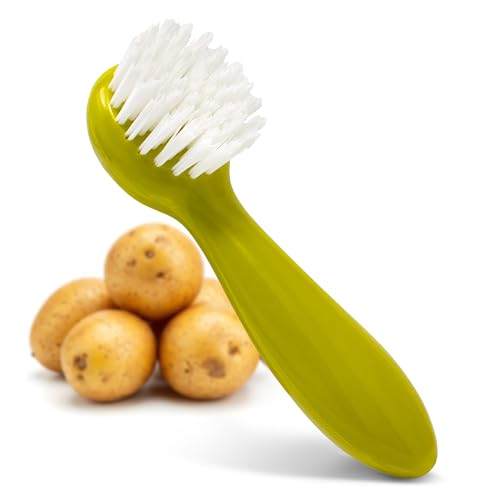
- Nylon bristle produce washing brush set
- Reusable spray bottle for vinegar cleaning produce
- Fruit and vegetable washing bowl with drain
- Stainless steel vegetable cleaning brush for root vegetables


Before You Start
Before cleaning, prepare a clean workspace and rinse off any heavy soil by running water over the produce. Do not use vinegar on porous surfaces or on items with natural wax coatings unless you intend to remove that coating. Allow extra time for larger batches, and always finish with a thorough rinse in clean water. Vinegar odor typically dissipates quickly once dry, but it can linger if you use a highly concentrated solution or leave produce soaking too long.
Step-By-Step: How To Clean Vegetables With Vinegar
- Set up a cleaning station with your washing bowl or a clean sink, a spray bottle, and your chosen brushes.
- Prepare the cleaning solution: mix 1 part distilled white vinegar to 3 parts water in your reusable spray bottle or a bowl for soaking.
- For leafy greens or delicate vegetables, remove outer leaves or loose dirt before cleaning to minimize dirt displacement.
- Dip or spray the produce into the vinegar solution. If using a spray bottle, mist the surface evenly; for larger items, submerge briefly in the bowl.
- Gently scrub with the silicone scrub brush with long handle or the nylon bristle set to dislodge dirt and carry away residues.
- Let tougher produce, such as root vegetables, soak briefly in the vinegar solution, then scrub with a stainless steel vegetable cleaning brush for stubborn grime.
- Rinse each item under cold running water until all vinegar smell and residues are removed.
- Dry with a clean towel or let air-dry on a drying rack before storage to reduce moisture-related spoilage.
Troubleshooting
| Symptom | Likely Cause | Fix | Prevention |
|---|---|---|---|
| Persistent vinegary smell | Overly concentrated solution | Use a 1:3 vinegar-to-water ratio | Label and measure your mix; avoid direct strong scents on delicate produce |
| Discolored surfaces after cleaning | Natural pigments or surface waxes | Rinse thoroughly and avoid soaking too long on waxy produce | Test on a small area first |
| Residue on greens | Insufficient rinsing | Rinse under cold water for longer, then dry | Use a clean, cold rinse after soaking |
| Brushing not effective on stubborn dirt | Older produce with hard soil | Scrub with nylon bristle brush set or stainless steel brush for tough grime | Pre-rinse and repeat as needed |
Common Mistakes
- Using undiluted or overly strong vinegar solutions, which can affect flavor and surface coatings.
- Soaking produce for too long, especially delicate greens, which can cause texture changes.
- Skipping a final rinse, leaving vinegar on the surface.
- Forgetting to dry produce after cleaning, increasing moisture-related spoilage risks.
Tips For Best Results
- Use cold water for rinsing to minimize vegetable wilting and preserve texture.
- For some produce with wax coatings or intricate crevices, pairing vinegar cleaning with a brush helps remove trapped dirt.
- Decide between a spray bottle method for quick cleans or a bowl soak for batch cleaning, depending on volume.
- Label your spray bottle with dilution ratios to ensure consistency every time.
- Store cleaned produce in breathable containers or perforated drawers to maintain freshness.
Call A Professional
Cleaning concerns extend beyond kitchen routines. If produce shows signs of spoilage that vinegar cannot address, or if there is concern about pesticide residues on certain crops, consider consulting a food safety professional or local extension service for guidance. Seek professional help if there is ongoing contamination or unusual odors after cleaning.
FAQ
Can I use apple cider vinegar instead of white vinegar for cleaning produce?
Yes, but white vinegar is preferred for its neutral odor and consistent acidity. Apple cider vinegar can be used, but its aroma may be more pronounced.
Is it safe to wash all vegetables with vinegar?
Most produce can be cleaned with a vinegar solution, but porous items (like mushrooms) may absorb flavors; rinse thoroughly and use a gentler approach or skip vinegar for those.
How long should vegetables soak in vinegar?
Typically 5–10 minutes is sufficient for most produce; delicate greens require shorter exposure to avoid texture changes.
Do I need to rinse after washing with vinegar?
Yes, a thorough rinse with clean water is essential to remove vinegar and any loosened residues.
Buying Guide
Choosing the right tools for cleaning vegetables with vinegar helps ensure efficiency and consistent results. Consider the following factors when shopping:
- Size and capacity: A larger wash bowl or a compact sink basin affects ease of use for small or large batches.
- Scrubbing action: Bristles and surfaces vary—nylon bristles are gentle on delicate produce, while stainless steel brushes tackle stubborn grime.
- Material durability: Silicone handles and long-reach designs improve comfort and reach, especially for root vegetables.
- Usage flexibility: A reusable spray bottle supports quick misting, but a dedicated bowl for soaking can handle bulk cleaning.
- Ease of cleaning: Dishwasher-safe components save time and maintain hygiene between uses.
- Storage options: Compact sets with nesting or hanging designs save kitchen space.
- Cost and availability: Look for a balanced combination of price, build quality, and warranty.
For families or frequent cooks, a multi-tool approach—combining a silicone scrub brush with a nylon brush set, plus a reusable spray bottle and a washing bowl—offers flexibility across different vegetables. If you regularly wash large quantities, prioritize durable, easy-clean tools and consider the layout of your kitchen sink to minimize clutter.