Cleaning varnished wood preserves its luster while protecting the surface from daily wear. This practical guide walks through safe methods, recommended products, and best practices to maintain cabinets, furniture, and other varnished wood surfaces in American homes.
Whether you’re refreshing a kitchen cabinet, a dining table, or a living room cabinet, a thoughtful cleaning routine helps prevent dullness and streaks. The focus is on gentle, pH-neutral cleaners, microfiber tools, and a simple polishing step that restores shine without stripping finish.
Quick Answer
Use a pH neutral wood cleaner for varnished surfaces or a varnished wood furniture cleaner spray to gently lift grime. Dry with microfiber cloths, then apply a wood furniture polish for varnished finish to restore luster. Avoid ammonia-based cleaners and excessive moisture that can warp wood.
What You’ll Need
- varnished wood furniture cleaner spray
- pH neutral wood cleaner for varnished surfaces
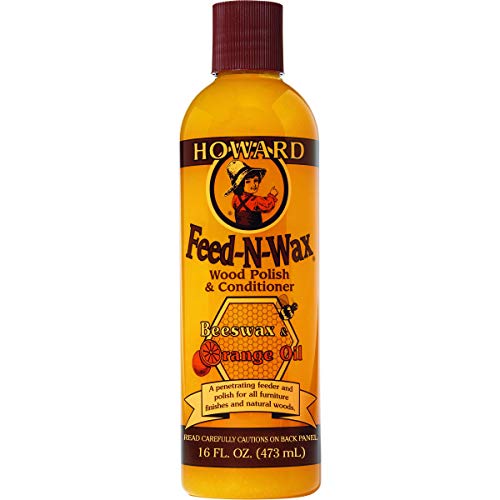
- wood furniture polish for varnished finish
- microfiber cloths for cleaning varnished wood
- cabinet cleaner varnished wood kitchen cabinets


Before You Start
Before cleaning, remove loose dust with a dry microfiber cloth. Perform a spot test in an inconspicuous area to ensure the cleaner does not alter color or finish. Work in a well-ventilated room and protect nearby surfaces from drips or spills. Time estimates: 10–20 minutes for a standard surface, plus a polishing step as needed. Never saturate wood with water—moisture can seep into seams and cause damage.
Step-By-Step: How To Clean Varnished Wood Surfaces
- Dust the surface with a dry microfiber cloth to remove loose particles.
- Lightly mist the pH neutral wood cleaner for varnished surfaces onto a microfiber cloth, not directly onto the wood.
- Wipe in the direction of the wood grain to lift dirt without scratching the finish.
- For stubborn smudges, apply a small amount of varnished wood furniture cleaner spray to the cloth and dab gently.
- Rinse the cloth with clean water and wipe again to remove cleaner residue.
- Dry the surface immediately with a dry microfiber cloth to prevent moisture from soaking into joints.
- Apply a thin coat of wood furniture polish for varnished finish following grain direction for extra shine and protection.
- Buff with a clean, dry microfiber cloth until the surface gleams and feels smooth.
- Address high-traffic areas more frequently with a light cleaning to preserve the varnish.
- Store cleaners in a cool, dry place away from heat sources and children.
- For antiques or uniquely finished pieces, test in an unseen area and use minimal product.
- Periodically re-polish to maintain protective layer and enhance color depth.
Troubleshooting
| Symptom | Likely Cause | Fix | Prevention |
|---|---|---|---|
| Dull or streaky finish | Cleaner residue or inadequate drying | Wipe with a clean microfiber cloth and dry thoroughly | Use a light touch and follow grain |
| Water marks or rings | Moisture exposure | Dry immediately; avoid over-wetting | Apply polish after surface dries completely |
| Scratch lines not removing | Deep scratches | Consult pro restorer for minor fill or recoat | Use gentle products and microfiber cloths |
| Finish discoloration after cleaner | Harsh chemical reaction | Stop using that product and switch to pH-neutral cleaner | Test new products in hidden area first |
Common Mistakes
- Using ammonia-based or abrasive cleaners on varnished wood
- Soaking surfaces with water or cleaner solution
- Using rough or dirty cloths that scratch the finish
- Skipping the drying step after cleaning
Choosing the right products—especially a pH-neutral option and a dedicated polish—helps avoid these pitfalls and keeps varnished wood looking its best.
Tips For Best Results
- Dust regularly to minimize buildup that requires stronger cleaning.
- Test any new cleaner on a hidden spot before full use.
- Use circular, light passes for polish to prevent streaks.
- Alternate between cleaning and polishing schedules to maintain protection layers.
- Store microfiber cloths clean and dry for repeated use on wood surfaces.
Call A Professional
Seek professional help if varnish is peeling, has deep scratches, or if a stain or chemical reaction seems to have changed the finish color. Also contact a pro for antique furniture or bespoke varnishes that require restoration knowledge beyond routine cleaning.
FAQ
Can I use water to clean varnished wood?
Water should be used sparingly; always dry promptly to prevent moisture damage.
Is a spray cleaner better than a liquid for varnished surfaces?
Spray cleaners are convenient, but ensure they are pH neutral and used with a microfiber cloth.
How often should varnished furniture be polished?
Polish every few months or as needed to maintain shine and protection.
What should I do about stubborn grime on kitchen cabinets?
Use a cabinet cleaner varnished wood kitchen cabinets product and a soft cloth, then dry completely.
Buying Guide
Choosing the right products for varnished wood involves several factors. Consider the size of the surface area to determine how much cleaner and polish is needed. Noise level is rarely a concern for these tasks, but the experience matters—look for spray bottles with a fine mist and a non-drip design. Energy efficiency does not apply directly, but reliable, long-lasting tools save time over repeated use. Controls should be simple: easy-to-pump spray, clear labels, and minimal odor. For cabinet cleaning, ensure the product is safe for varnished wood and won’t strip the finish. Placement of cleaning supplies should keep cleaners away from children and pets. When comparing options, evaluate how well each product works with varnished wood furniture cleaner spray and pH neutral wood cleaner for varnished surfaces, and whether it supports regular polishing with wood furniture polish for varnished finish. Consider the need for lint-free microfiber cloths and whether the kit includes them. Finally, read reviews about finish compatibility with your specific varnish type to avoid color shifts or dulling.