Keeping utensils clean prevents cross-contamination and preserves the quality of cookware. This guide outlines practical, at-a-glance methods suitable for home kitchens, using common tools such as scrubs and brushes designed for utensils.
Quick Answer
Best overall method: rinse, soak, scrub with a dedicated utensil brush, then rinse and air-dry. For stubborn residue, switch to a scrub brush with a scraper or an angled-head brush to reach tight corners.
What You’ll Need
- Stainless steel dish scrub brush with scraper for tough, baked-on residue
- Dishwand with replaceable scrubber heads for utensils for easy reach and quick swaps
- Silicone utensils cleaning brush set to avoid scratching delicate surfaces
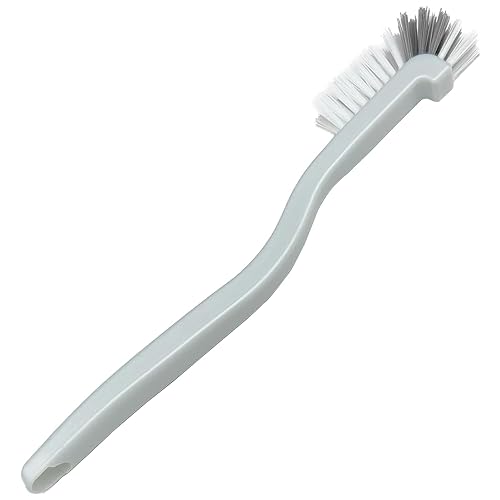
- Utensil cleaning brush with angled head to reach inside bowls and tight spaces
- Nylon bristle utensil scrub brush for kitchen versatile everyday use


Before You Start
Clear the sink and rinse utensils under warm water to remove loose crumbs. Use hot water when safe for the material to break down grease more effectively, but avoid scorching on certain plastics. Test brushes on a hidden area if you are unsure about scratches. Allow items to dry completely to minimize bacteria growth on damp surfaces.
Step-By-Step: How To Clean Utensils
- Rinse utensils under warm running water to remove loose food particles.
- Fill a sink or basin with warm, soapy water using a mild dish soap.
- Sort utensils by material (metal, plastic, wood) to prevent cross-reaction and waterlogging.
- Use a stainless steel dish scrub brush with scraper to tackle metal utensils and bowls with baked-on grease; use the scraper to lift residue.
- Switch to a silicone utensils cleaning brush set for non-scratch cleaning on delicate or nonstick utensils.
- For hard-to-reach areas, employ a utensil cleaning brush with angled head or the dishwand with replaceable scrubber heads for utensils to access corners and small gaps.
- Rinse each item thoroughly with clean water, ensuring all soap is removed.
- Inspect for any remaining spots; if present, repeat the appropriate brushing step or use the scraper.
- Place utensils on a drying rack or towel in a single layer to promote air-drying and prevent moisture buildup.
- Store utensils in a clean, dry drawer or holder until next use.
- For high-usage kitchens, run a quick hot-water rinse cycle periodically to prevent grease buildup in brushes themselves.
- Disinfect occasional items by soaking in a diluted food-safe sanitizer solution, following manufacturer instructions.
Troubleshooting
| Symptom | Likely Cause | Fix | Prevention |
|---|---|---|---|
| Grease persists on stainless steel | Residue not fully loosened | Re-soak briefly and scrub with a scraper-equipped brush | Pre-soak immediately after use on greasy items |
| Scratches appear on nonstick utensils | Using abrasive brush on delicate surfaces | Switch to silicone or nylon bristle brushes | Use gentler brushes for nonstick materials |
| Odor after washing | Microbial growth in damp brushes | Air-dry brushes completely; replace as needed | Store brushes in dry areas |
| Scraper is dull or ineffective | Hard water mineral buildup or wear | Clean scraper edge or replace head | Rinse and dry after each use |
Common Mistakes
- Soaking metal utensils too long can cause corrosion; avoid prolonged exposure to acidic solutions.
- Using hot water on heat-sensitive plastics can warp or deform them.
- Using the same brush for raw meat-contact areas and produce without sanitizing in between can spread contaminants.
- Neglecting to dry brushes and holders can promote mold growth.
- Overloading dish soap can leave a film on utensils; use a small amount and rinse well.
Tips For Best Results
- Pre-rinse heavily soiled items to reduce cleaning effort later.
- Use a dedicated utensil brush set to prevent cross-contamination with other dishes.
- Match brush type to utensil material: nylon for sturdy surfaces, silicone for delicate pieces, and scraper-enabled brushes for baked-on grime.
- Angle the brush to maximize contact with interior curves and corners.
- Keep brushes clean and replace worn bristles to maintain effective cleaning.
Call A Professional
Contact a professional plumber or kitchen maintenance service if you notice persistent odors despite cleaning, leaks around the sink area after brush use, or if utensils are warped due to heat exposure beyond home-safe limits. Seek professional assistance for persistent mold growth in brushes or holding containers.
FAQ
Can I wash utensils in a dishwasher?
Most metal and heat-safe utensils are dishwasher friendly, but check care labels. Wooden handles and some plastics may warp or crack.
How often should I replace utensil brushes?
Replace when bristles fray, lose stiffness, or show signs of mildew. Regular replacement ensures effective cleaning.
Is it safe to sanitize brushes?
Yes. Soak brushes in a diluted sanitizing solution or run through a high-heat cycle if the brushes are dishwasher-safe.
What’s the best way to clean wooden utensils?
Hand wash with mild soap, dry promptly, and avoid soaking to prevent cracking or swelling.
Buying Guide
Choosing the right utensils cleaning tools depends on your kitchen setup and routine. Consider size and storage, the material of your utensils, and how often you wash them.
Key buying factors include size and compatibility with your sink area, noise level of brushes when in use, energy and water efficiency of dishwashers or sanitizing steps, controls for ease of use, and placement options that keep brushes dry and accessible.
For multiple cleaning scenarios, a combination setup often works best: a nylon bristle utensil scrub brush for everyday scrubbing, a stainless steel dish scrub brush with scraper for stubborn grease, and a silicone utensils cleaning brush set to protect nonstick or delicate utensils. Consider a dishwand with replaceable scrubber heads for utensils for quick swaps and extended life of cleaning heads.
Always check compatibility with your utensil materials and preferred cleaning method. Do you need compact storage for a small kitchen or a robust setup for a busy family kitchen? A multi-tool approach often yields the best balance of efficiency and care for a wide range of utensils.