Urine stains and odors in bedding can be stubborn, especially with daily use and washing cycles. This guide provides practical, step-by-step methods using enzyme-based cleaners to break down proteins and neutralize odors, helping the bedding feel fresh again.
With the right products and a consistent routine, most urine stains and smells can be eliminated without resorting to harsh chemicals or repeated washings. The following sections outline a clear approach for American households seeking effective results.
Quick Answer
– Act quickly to prevent set-in stains and odors. Use enzyme-based cleaners to break down urine proteins. Blot, treat, and launder following product directions for best results. For persistent odors, repeat treatment and consider a second wash with an enzymatic cleaner.
What You’ll Need
- Enzymatic urine stain remover spray for bedding fabric
- Pet urine odor eliminator spray for bedding upholstery
- Laundry pre-wash enzymatic cleaner for urine stains on sheets
- Fabric stain remover enzymatic cleaner for bedding
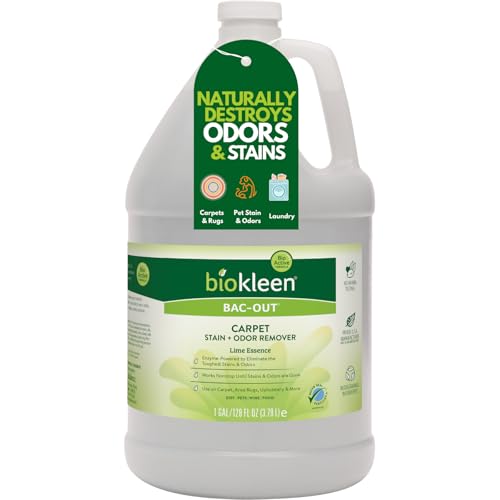
- Carpet and upholstery enzyme cleaner for urine odor


Before You Start
Before tackling a urine stain, remove any solid material carefully and check manufacturer care labels on the sheets and pillowcases. Pretreat with a spot test on a hidden area to ensure colorfastness. Time estimates: 15–30 minutes for pretreatment and 1–2 hours for the cleaning process, plus a full wash. Important cautions include avoiding heat until the odor is resolved, since heat can set stains and odors.
For safety, keep cleaners out of reach of children and pets during the treatment. Work in a well-ventilated area and follow the product directions on each bottle to avoid over-application.
Step-By-Step: How To Clean Urine Out Of Bedding
- Contain and blot: Use a clean, color-safe cloth or paper towels to blot excess urine from sheets and pillowcases. Avoid rubbing, which can push urine deeper into fibers.
- Rinse lightly: Dampen the fabric with cool water to dilute urine residues, then blot again to remove moisture.
- Apply enzymatic cleaner: Generously spray the enzymatic urine stain remover spray for bedding fabric on the affected area, ensuring all stained fibers are coated. Let it sit per product instructions.
- Work the enzymatic cleaner in: Gently dab or blot the treated area to help the enzymes penetrate stains. Do not rub aggressively, which can spread the stain.
- Apply odor eliminator if needed: If a lingering odor is detected, use the pet urine odor eliminator spray for bedding upholstery on the same area and surrounding fabric to neutralize odors.
- Pre-wash treatment: For persistent spots, apply the laundry pre-wash enzymatic cleaner for urine stains on sheets according to label directions to boost stain removal before washing.
- Wash within proper guidelines: Wash the bedding in the warmest water recommended by the care labels, using an enzyme-based or odor-control laundry detergent. Do not add other cleaners that could interfere with enzymes.
- Air dry: If possible, air dry outdoors or in a well-ventilated area. Avoid high heat until you’re sure the odor is gone, as heat can set stains.
- Recheck and repeat if necessary: If any stain or odor remains after drying, repeat the enzymatic treatment and washing cycle.
- Final assessment: After washing and drying, inspect the fabric in natural light to confirm stain removal and odor neutralization.
- Maintenance plan: Consider treating bedding on a regular basis if urine exposure is ongoing (e.g., households with pets), using enzymatic cleaners as part of routine cleaning.
Troubleshooting
| Symptom | Likely Cause | Fix | Prevention |
|---|---|---|---|
| Stain reappears after washing | Enzymes weren’t fully activated or treated area wasn’t saturated | Reapply enzymatic cleaner and rewash following product directions | Pre-treat and saturate thoroughly; check label for dwell time |
| Persistent odor after cleaning | Odor trapped in fibers or fabric sits close to padding | Use a dedicated odor eliminator spray and repeat enzyme treatment; consider washing with odor-control detergent | Address odor at source; allow full drying time |
| Discoloration after treatment | Fabric sensitivity or over-application | Spot-test and adjust amount; switch to gentler cleaner if needed | Follow care labels and do a hidden-area test first |
| Stiff texture after washing | Residue from cleaners or over-washing | Use an extra rinse cycle and minimal detergent | Rinse thoroughly and ensure complete drying |
Common Mistakes
- Using hot water, which can set stains and odors
- Rubbing aggressively, pushing urine deeper into fibers
- Mixing multiple cleaners that may neutralize enzymes
- Skipping the dwell time required by enzymatic products
- Overloading washing machines with too much bedding at once
Tips For Best Results
- Always use enzyme-based cleaners designed for urine stains to break down proteins effectively.
- Test cleaners on a discreet fabric area to prevent color loss or damage.
- Allow adequate drying time in a ventilated space to prevent residual moisture and odors.
- Consider routine enzymatic cleaning if you frequently encounter pet-related stains.
Call A Professional
Seek professional help if:
- Stains or odors persist after multiple at-home treatments
- Bedding contains delicate fabrics or high-value materials
- There is any sign of mold or persistent dampness after cleaning
Professionals can assess odor sources, treat padding or mattresses, and recommend safe, fabric-friendly solutions.
FAQ
What is the best enzyme cleaner for urine on sheets?
Enzymatic cleaners formulated for urine stains are designed to break down proteins and neutralize odors, making them effective for sheets and bedding fabrics.
Can I use pet odor eliminator sprays on bedding?
Yes, odor eliminator sprays labeled for bedding or upholstery can help neutralize lingering smells after spot cleaning.
Should I wash immediately after applying enzyme cleaner?
Yes, follow the product’s dwell time, then launder per care labels to remove residues and odors.
Is heat drying okay after cleaning?
Heat can set remaining stains and odors. If odor-free, heat drying is acceptable; otherwise air dry first.
What if stains are on pillowcases only?
Treat and launder pillowcases separately since they are easier to saturate and flush with enzymes.
Can enzyme cleaners damage fabrics?
Most are safe when used as directed on appropriate fabrics; always perform a spot test first.
How often should I treat bedding with enzymes?
For households with pets or frequent incidents, consider a routine check and treatment as needed.
Buying Guide
When choosing products to clean urine from bedding, consider factor areas such as size, noise level, energy efficiency, controls, and placement. This guide helps compare options and select practical, effective solutions.
- Size and capacity: Consider whether you need a compact spray bottle for spot cleaning or a larger, ready-to-use system for frequent incidents.
- Enzyme activity and dwell time: Look for products with visible enzyme action and clear dwell times to ensure adequate treatment.
- Odor control strength: Evaluate fragrance-free or mild-scent options if sensitivity is a concern, or choose stronger odor eliminators for persistent smells.
- Fabric compatibility: Confirm that cleaners are safe for bedding fabrics and colors, with a safe test recommendation.
- Ease of use: Spray bottles with even coverage and straightforward instructions reduce misuse and improve results.
- Safety and certifications: Preference for products with clear safety guidelines and dermatological or environmental certifications.
- Placement and convenience: Consider where you typically treat stains (closet, laundry room) and choose products that fit that space.
- Cost per treatment: Compare repeat-use costs, considering dwell time and wash cycles involved in each method.
Choosing the right combination of enzymatic cleaners and odor eliminators can simplify routine bedding care and help maintain fresh, clean sleep environments. If in doubt, start with one enzyme-based cleaner, test on a small area, and scale up as needed.