Upvc window frames are a common choice for homes due to their durability and low maintenance. Proper cleaning keeps frames looking fresh and extends their life. This guide provides practical steps using common, non-abrasive products suitable for PVC and UPVC windows.
Readers will find a quick overview, a complete shopping list, safety notes, step-by-step instructions, troubleshooting, and expert tips to avoid common mistakes.
Quick Answer
Use a non-abrasive PVC window cleaner spray, a microfiber cloth, a soft-bristle brush, a 12-inch squeegee, and a vinegar-based non-abrasive cleaner for tough spots. Wipe in the direction of the grain, rinse with clean water, and thoroughly dry to prevent streaks and water spots.
What You’ll Need
- UPVC window cleaner spray non-abrasive for PVC frames
- microfiber cloth for UPVC window frames 12×12 inch
- soft-bristle brush for PVC window frame cleaning
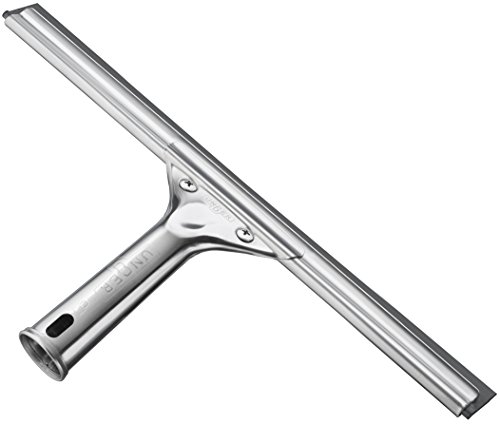
- squeegee for UPVC windows 12 inch
- non-abrasive PVC window cleaner spray with vinegar


Before You Start
Prepare the area by laying a towel along the sill to catch drips and protect surrounding finishes. Ventilate the room to avoid fumes from cleaners. Test any product on a small, inconspicuous area of the frame first to ensure colorfastness. Time estimate: 20–40 minutes depending on frame size and dirt level. Wear gloves if you have sensitive skin and avoid spraying cleaners directly on hardware or gasket seals.
Step-By-Step: How To Clean Upvc Window Frames
- Remove loose dust with a dry microfiber cloth, working from top to bottom.
- Spray the non-abrasive PVC window cleaner on the frame, avoiding metal hardware.
- Wipe with a microfiber cloth, using gentle circular motions to lift dirt.
- For stubborn grime, dip the soft-bristle brush in diluted cleaner and scrub softly along the frame edges.
- Rinse the cloth or brush with clean water and wipe away any residue.
- Use the 12-inch squeegee to remove excess moisture from the glass and frame joints, working in straight strokes.
- Wipe remaining moisture with a dry microfiber cloth to prevent streaks and water spots.
- Inspect corners and weep holes; clear any buildup with a soft brush or cotton swab if needed.
- Spritz the vinegar-based cleaner on stubborn stains and repeat scrubbing, then rinse and dry.
- Repeat on other panes or sections, ensuring even cleaning and drying across all frames.
- Finish by applying a light protective wipe with the microfiber cloth to seal the surface.
- Store cleaners and tools in a cool, dry place away from direct sunlight after use.
Troubleshooting
| Symptom | Likely Cause | Fix | Prevention |
|---|---|---|---|
| Streaks on glass or frame | Residue left from cleaner | Rewipe with a clean, dry microfiber cloth | Rinse thoroughly; avoid overwetting |
| Discoloration after cleaning | Harsh cleaners or abrasive tools | Switch to non-abrasive cleaner; use soft brush | Test first on a hidden area |
| Water pooling in corners | Improper drying or drainage | Wipe dry with microfiber; use squeegee | Dry promptly after cleaning |
| Scratches on PVC frame | Abrasive scrubbing | Cease using abrasive tools; switch to soft-bristle brush | Gentle cleaning routine |
Common Mistakes
- Using abrasive cleaners or pads on UPVC frames
- Spraying cleaner directly onto hinges or seals
- Ignoring gaps and weep holes, allowing dirt buildup
- Letting moisture sit on frames for extended periods
- Not drying thoroughly after cleaning, causing streaks or corrosion
Sticking to non-abrasive formulas and soft tools helps maintain the frame’s finish and seal over time.
Tips For Best Results
- Clean on a cloudy day or in the shade to prevent cleaner drying too fast and leaving streaks.
- Use the microfiber cloths in a light color to easily spot dirt before it re-deposits on the frame.
- Work from the inner edge toward the outer surface to avoid recontaminating cleaned areas.
- For very dirty frames, use a two-step approach: rinse with water, then apply cleaner and scrub lightly.
- Regular light cleaning reduces the need for more intensive scrubbing later.
Call A Professional
Contact a pro if there is persistent discoloration, damaged seals, warped frames, or mold growth that does not respond to cleaning. Seek urgent help for standing water around sills, structural damage, or cracked glass. If you are unsure about the integrity of the frame, a professional assessment is advised.
FAQ
Can I use vinegar on UPVC window frames?
Yes, a non-abrasive PVC window cleaner spray with vinegar can help remove grime without damaging the frames when used as directed.
What tools are essential for cleaning UPVC frames?
A soft-bristle brush, microfiber cloths, a squeegee, and a non-abrasive cleaner are essential for effective cleaning.
How often should UPVC window frames be cleaned?
Light cleaning every 1–3 months helps prevent buildup; more frequent cleaning may be needed in dusty or polluted environments.
What should I avoid on UPVC frames?
Avoid bleach, harsh solvents, abrasive pads, and direct spraying on hardware or seals.
Is it safe to use water alone for cleaning?
Water helps loosen dirt, but a mild non-abrasive cleaner improves results and helps prevent streaks.
Will cleaning damage the seals?
Using soft tools and following the recommended cleaners minimizes risk to seals; always test first on a small area.
Are there eco-friendly options for UPVC cleaning?
Yes, non-abrasive cleaners with vinegar provide a practical, eco-friendly alternative to harsher formulas.
Buying Guide
Choosing cleaning products for UPVC window frames involves factors like cleaning power, material compatibility, and ease of use. Consider the following:
- <bSize and fit: Ensure sprays and bottles are easy to handle around window hardware and narrow frames.
- <bNoise level and energy efficiency are not directly impacted by cleaners but choosing low-residue solutions minimizes wipe-down effort and helps preserve gaskets.
- <bEnergy efficiency relates to window performance, not cleaners; however, maintaining clean frames supports optimal seal function.
- <bControls simple spray bottles, foaming formulas, and ready-to-use solutions reduce difficulty during cleaning.
- <bPlacement store cleaners in a cool, dry area away from direct sunlight to preserve effectiveness and prevent chemical changes.
When comparing products, prioritize non-abrasive formulas, compatibility with PVC/UPVC, and ease of removal from frames and glass. For many homes, a spray cleaner, microfiber cloths, and a soft brush provide a balanced mix of effectiveness and safety.