Spilled essential oils require prompt and careful cleanup to prevent staining, slipping hazards, and lingering scents. This guide provides practical steps for American households to manage oil spills safely and effectively, using readily available supplies.
Whether a small drop on a countertop or a larger spill on a wood surface, a structured cleanup approach helps protect surfaces and minimize waste. The focus is on quick containment, absorption, and thorough removal without damaging finishes or releasing stronger odors.
Quick Answer
Contain the spill with absorbent materials, apply a degreaser if needed, wipe or blot until dry, and dispose of contaminated materials properly. Use dedicated oil spill supplies for best results and to reduce cross-contamination.
What You’ll Need
- essential oil spill kit with absorbent pads
- oil spill absorbent pads for kitchen spills
- microfiber cleaning cloths for oil spill cleanup
- oil spill cleanup kit socks and granules
- degreasing wipes safe for essential oil spills


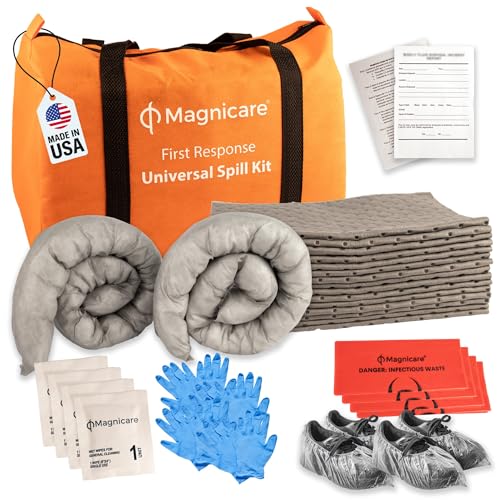
Before You Start
Assess the spill size and surface type (glass, stainless steel, wood, fabric). Wear gloves to protect skin and ventilation to minimize vapor exposure. Place a liner or paper towels beneath the spill area to catch drips and prevent spreading. If the spill involves a large amount of oil, consider moving nearby items away to avoid further contamination. Avoid using heat or ignition sources near volatile essential oils, and test a small, inconspicuous area first to ensure finish compatibility.
Step-By-Step: How To Clean Up Spilled Essential Oils
- Contain the spill by surrounding it with absorbent pads or spill socks to prevent spreading.
- Blot the area with microfiber cleaning cloths to lift excess oil without rubbing it into the surface.
- Apply degreasing wipes safe for essential oil spills to break down oil residues, following product directions.
- Place additional absorbent pads over the area to soak up remaining oil and allow a few minutes to set.
- Gently lift the pads and wipe the area again with a clean microfiber cloth to remove any stubborn slick.
- For porous surfaces, sprinkle absorbent granules and let them sit briefly before sweeping them up with a broom or dustpan.
- Rinse or wipe the surface with a damp cloth if the material allows, then dry thoroughly to prevent slip hazards.
- Dispose of contaminated pads, socks, and wipes in a sealable bag or appropriate waste container according to local guidelines.
- Inspect the area at different lighting to ensure no residue remains and re-clean if needed.
- Store spill cleanup supplies in a designated cabinet for quick access during future incidents.
Troubleshooting
| Symptom | Likely Cause | Fix | Prevention |
|---|---|---|---|
| Sticky or shiny residue remains | Oil deeply soiled the surface | Use a stronger degreasing wipe and repeat cleaning | Clean promptly after spills |
| Streaks on glossy surfaces | Rubbing with dry cloth | Switch to blotting with damp microfiber | Blot, don’t rub |
| Oil smells linger | Ventilation insufficient | Increase airflow and repeat cleaning | Ventilate area during cleanup |
| Stains on fabric or upholstery | Oil penetrated fibers | Use appropriate fabric-safe cleaner and blot | Contain spill quickly to avoid absorption |
Common Mistakes
- Rubbing oil into surfaces, which spreads the stain
- Using generic cleaners not labeled for essential oils
- Ignoring ventilation, especially with strong scents
- Waiting too long to clean, increasing absorption and staining
- Mixing different cleaning products, which can create harmful fumes
Tips For Best Results
- Work from the edge of the spill toward the center to minimize spread
- Use a two-step approach: blot then wipe to avoid leaving residue
- Test cleaners on hidden areas to ensure finish compatibility
- Keep a dedicated spill kit handy in the kitchen or bathroom
- Label and seal waste containers for safe disposal
Call A Professional
Call a professional if the spill involves delicate surfaces like untreated wood, marble, or antique finishes, or if the oil has penetrated carpet padding or upholstery. Seek expert help for persistent odors, large quantities, or if you notice damage to underlying materials.
FAQ
Can I use household paper towels to clean up essential oil spills?
Paper towels are acceptable for quick blotting, but absorbent pads and microfiber cloths provide better lift and less residue.
Are essential oils dangerous to clean up on hardwood floors?
Most oils are not hazardous, but they can create a slippery surface. Use absorbents and a wood-safe cleaner, and dry thoroughly.
What should I do with leftover absorbent materials?
Place used pads and wipes in a sealable bag or container and dispose of per local waste guidelines or in a designated hazardous-waste stream if required.
Is it okay to mix cleaners when cleaning an oil spill?
Avoid mixing cleaners. Use products specifically labeled as safe for essential oil spills to prevent dangerous fumes or chemical reactions.
How long should I ventilate after an essential oil spill?
Ventilate for at least 15–30 minutes, longer for strong scents or extensive spills.
What surfaces require professional cleaning?
Unsealed stone, unfinished wood, fabrics with deep absorption, or areas where oil has penetrated seams or padding may require professional cleaning.
Buying Guide
When selecting spill cleanup products, consider size, noise, and ease of use to fit a typical American kitchen or workshop. Factors to compare include the absorbency capacity of pads and socks, the compatibility of microfiber cloths with a range of oils, and the effectiveness of degreasing wipes for essential oils. Look for kits that clearly label safety and disposal instructions, and choose items that store compactly in a designated cabinet. Assess whether the kit includes a mix of pads, granules, and wipes to handle various spill sizes and surfaces. For households with pets or children, prioritize low-odor formulas and surface-safe cleaners. Finally, check reviews for real-world performance on different surfaces like tile, granite, or wood finishes to ensure reliable results across scenarios.