Untreated wood requires careful cleaning to preserve its appearance and longevity. This guide covers safe, effective methods for cleaning bare exterior wood and preparing it for staining or sealing. By following practical steps and using purpose-built products, homeowners can restore natural tones without damaging fibers.
Quick Answer
Use a stiff nylon deck brush to scrub with a wood deck cleaner concentrate designed for untreated wood. For stubborn stains, apply oxalic acid wood cleaner and scrub with a scrub brush set. Finish with a wood brightener for a fresh, even tone. Always rinse thoroughly and allow the wood to dry completely before staining or sealing.
What You’ll Need
- Stiff nylon deck brush for cleaning bare wood
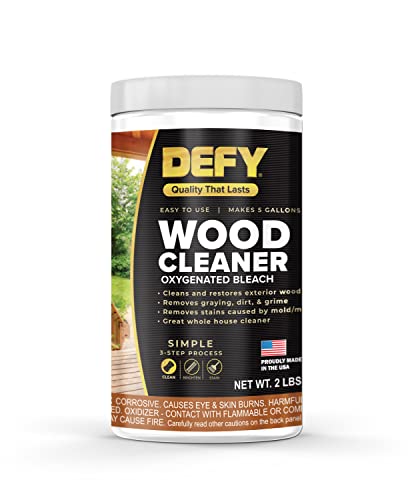
- Wood deck cleaner concentrate for untreated wood
- Scrub brush set for wood cleaning and prep
- Wood brightener for untreated wood exterior
- Oxalic acid wood cleaner for staining bare wood


Before You Start
Before cleaning, check for any signs of rot or loose boards. Protect nearby plants and landscaping by wetting them and covering with plastic. Test cleaners in a small, inconspicuous area to ensure color stability. Allow adequate ventilation if cleaning on hot, sunny days, and wear gloves and eye protection during handling of cleaners. Time estimate: 2–6 hours, depending on surface size and stain depth. Critical cautions: do not use harsh bleach on natural wood, and avoid metal scrapers that can gouge fibers.
Step-By-Step: How To Clean Untreated Wood
- Clear the area and wet the wood surface to loosen dirt and debris.
- Mix a wood deck cleaner concentrate for untreated wood per label instructions in a bucket large enough for thorough scrubbing.
- Dip the stiff nylon deck brush for cleaning bare wood into the solution and scrub in a consistent, circular pattern to lift grime from fibers.
- Rinse frequently with a garden hose to remove loosened dirt; repeat scrubbing if necessary for stubborn grime.
- If stains persist, apply a light coat of oxalic acid wood cleaner for staining bare wood following safety guidelines and rinse completely after the recommended dwell time.
- Use a scrub brush set for wood cleaning and prep to target corners, edges, and recessed areas for even cleaning results.
- After cleaning, apply a wood brightener for untreated wood exterior to restore natural color and improve stain penetration; follow product directions for dwell time.
- Rinse thoroughly until the water sheets off, and allow the wood to dry completely, typically 24–48 hours depending on weather.
- Evaluate the surface: if it looks uniform and clean, proceed to staining or sealing; if gray or uneven, consider repeating the brighten-and-rinse step.
- If desired, perform a light final rinse and inspect for any remaining residue before finishing.
- Dispose of cleaning residues according to local guidelines and store remaining products safely.
Troubleshooting
| Symptom | Likely Cause | Fix | Prevention |
|---|---|---|---|
| Faded or uneven color after cleaning | Insufficient rinsing or uneven application | Rinse thoroughly; reapply brighten and rinse; ensure even coverage | Follow label directions precisely; test in a small area first |
| Residue left on surface after rinse | Over-application of cleaner or improper rinsing | Re-rinse with ample water until clear | Use correct dilution and thorough rinsing |
| Stained wood not responding to cleaner | Deep-set stains or tannins | Apply oxalic acid cleaner as directed and re-scrub; rinse well | Spot-test and avoid over-wetting |
| Wood drys too quickly or splits | Sun exposure or heat drying | Water sparingly during initial rinse; avoid cleaning in peak sun | Schedule cleaning for cooler, overcast days when possible |
Common Mistakes
- Using aggressive cleaners on bare wood without proper dilution
- Scrubbing too hard, causing fiber lifting or gouges
- Skipping the brighten step, leading to uneven color
- Not allowing adequate drying time before staining or sealing
Tips For Best Results
- Work in shaded sections to prevent rapid drying of cleaners.
- Always test cleaners on a hidden area to verify color stability.
- Rinse from top to bottom to prevent dirty wash water from re-soiling cleaned areas.
- Use a wide, soft-bristle brush for flat surfaces and a smaller brush for joints and edges.
- Keep protective gear on hand and follow all product safety instructions.
Call A Professional
Consider contacting a professional if there is extensive rot, deep staining, or if you plan to apply a protective finish and are unsure about surface preparation. Stop and seek help if you notice delamination, soft spots, or structural concerns that could compromise the wood’s integrity.
FAQ
Can untreated wood be cleaned without brightening?
Yes, but brightening often improves color uniformity and stain absorption. It is optional but recommended for best results.
Is oxalic acid safe for all wood types?
Oxalic acid is effective for many stains but test first and follow safety guidelines; avoid applying to dyed or painted surfaces.
How long should cleaned untreated wood dry before staining?
Allow 24–48 hours of drying in typical conditions; wait longer in humid climates or cooler weather.
What maintenance follows cleaning?
Inspect for weathering and re-clean as needed before applying sealant or stain; consider periodic brightening to maintain color.
Buying Guide
Choosing the right products for cleaning untreated wood involves balancing effectiveness, safety, and surface care. Consider the following factors to make an informed purchase:
- Size and coverage: Choose cleaners and brushes sized for your project to minimize repeats and waste.
- Tool compatibility: Ensure scrub brushes and deck brushes are suitable for bare wood surfaces without causing abrasion.
- Concentrates vs ready-to-use: Concentrates are cost-efficient but require dilution; ready-to-use options are convenient for small jobs.
- Stain and finish compatibility: If planning to stain, select products that enhance absorption and color uniformity, such as a wood brightener designed for untreated wood.
- Safety features: Look for products with clear warnings, gloves compatibility, and easy rinsing instructions.
- Noise and environmental impact: Choose low-odor formulations when possible and consider eco-friendly options that rinse cleanly.
How should you compare options? Look at label directions, dwell times, and the recommended sequence—for example, a cleaner followed by brightener and then stain readiness. If you’re unsure, start with a small area to confirm color and texture before proceeding across the entire surface. Is your deck exposed to harsh weather? In that case, select a brightener and cleaner that are specifically formulated for exterior use on bare wood, and plan a maintenance schedule to keep the wood looking natural and refreshed.