Unsealed marble requires careful cleaning to avoid etching, staining, and dulling its surface. This guide provides practical steps using common materials to maintain the stone’s natural beauty while minimizing damage.
Quick Answer
For unsealed marble, start with a pH-neutral cleaner and a microfiber cloth. For stains, apply a marble poultice powder as directed, then rinse thoroughly. Finish by sealing only after the surface is completely dry and stain-free.
What You’ll Need
- Marble poultice stain remover powder for unsealed marble
- pH neutral marble cleaner spray
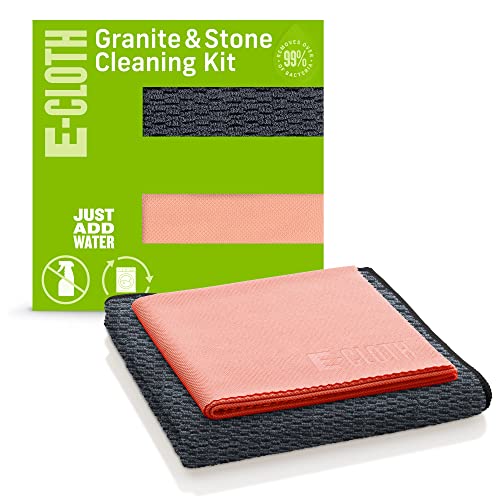
- Microfiber cloth for marble cleaning
- Non-scratch nylon scrub brush for marble
- Marble countertop sealer liquid for unsealed marble


Before You Start
Clear the area and remove any loose debris. Test any cleaner on a hidden spot first to ensure no discoloration. Work in small, controlled sections to prevent over-wetting the surface.
Safety note: Wear protective gloves to avoid skin contact with cleaners and poultices. Ensure good ventilation during use. Do not use acidic cleaners on marble, as they can etch the surface.
Estimated time: 20–45 minutes for a typical countertop or tabletop, plus drying time if applying a poultice.
Step-By-Step: How To Clean Unsealed Marble
- Remove dust and loose debris with a dry microfiber cloth.
- Lightly dampen the surface with a pH neutral marble cleaner spray and wipe in circular motions.
- If a stain is present, apply a marble poultice stain remover powder for unsealed marble mixed with water to form a paste. Cover the stain and let it sit per product directions.
- Gently agitate the area with a non-scratch nylon scrub brush for marble if needed, avoiding heavy scrubbing.
- Wipe away the poultice with a clean microfiber cloth, rinsing the cloth frequently to remove residue.
- Rinse the surface with a damp cloth to remove all cleaner and poultice remnants.
- Dry the area completely with a dry microfiber cloth to prevent water spots and streaks.
- Apply a thin layer of marble countertop sealer liquid for unsealed marble only if the stone shows even absorption and after it is completely dry.
- Allow the sealer to cure as directed by the product, then buff lightly with a clean cloth.
- Re-test the surface in a small area after sealing to ensure no changes in appearance.
- Regular maintenance: repeat cleaning with the pH-neutral cleaner and use the poultice only as needed for stains.
- Store cleaning products out of reach of children and pets when not in use.
Troubleshooting
| Symptom | Likely Cause | Fix | Prevention |
|---|---|---|---|
| Streaks after cleaning | Residual cleaner or water spots | Wipe with a dry microfiber cloth; rinse and dry thoroughly | Use minimal dampness; wipe water immediately |
| Darkening of marble | Over-wetting or improper cleaning agents | Dry completely; switch to pH-neutral cleaner | Avoid excessive moisture; test cleaners first |
| Stubborn stain remains after poultice | Stain is deeply embedded | Reapply poultice following instructions; allow full curing | Address stains promptly |
| Uneven sheen after sealing | Improper sealer application | Follow product directions and buff evenly | Practice in a small area first |
Common Mistakes
- Using acidic or abrasive cleaners on unsealed marble
- Over-wetting the surface during cleaning
- Skipping a proper drying step before sealing
- Rubbing too hard with brushes on delicate areas
To avoid these issues, stick to pH-neutral products, work in small sections, and always dry thoroughly before applying any sealer.
Tips For Best Results
- Test cleaners in an inconspicuous spot before broader use.
- Use a clean, dedicated microfiber cloth for marble tasks to prevent cross-contamination.
- Address spills immediately to prevent staining.
- Seal only after cleaning is complete and the surface is fully dry.
Call A Professional
Hire a pro if marble shows deep etching, severe staining, or if sealing is uncertain. Seek expert help if the surface has been damaged by acidic cleaners, pH imbalances, or if the sealer cannot be applied evenly.
FAQ
Can I use vinegar to clean unsealed marble?
No. Vinegar is acidic and can etch marble. Use a pH-neutral cleaner instead.
Is sealing unsealed marble necessary after cleaning?
Sealing can help protect the surface, but it should occur only after the marble is clean and dry, and you understand the sealer’s instructions.
How often should I use a poultice on marble?
Poultices are typically used for stains as needed; avoid repeated use on the same stain and follow product directions.
What should I do if water spots appear after cleaning?
Dry the surface thoroughly and buff with a clean microfiber cloth; ensure the area is not exposed to excess moisture.
Can I seal marble countertops myself?
Yes, if you follow the sealer’s instructions carefully and apply it evenly across the surface.
What tools are safe for cleaning marble?
Use soft, non-abrasive tools like microfiber cloths and non-scratch nylon brushes designed for marble.
Buying Guide
Size and scope: Consider the area to be cleaned, such as countertops, tabletops, or floors, to select appropriately sized products and poultices. Noise level is not typically a factor for cleaning tasks, but choose spray bottles and applicators that are easy to control.
Key factors to compare:
- Durability of the finish after cleaning and sealing
- pH level and compatibility with unsealed marble
- Ease of use for poultices and sealing liquids
- Availability of matching accessories, like microfiber cloths and brushes
- Drying time and curing requirements for sealers
What matters most is the stone’s porosity and usage. For kitchens, frequent cleaning with a pH-neutral cleaner is essential, followed by a proper sealant. If unsure, consult product instructions or a stone care professional to choose the best combination of poultice, cleaner, and sealer for your unsealed marble.