Keeping tires clean enhances vehicle appearance and can help prevent damage from built-up grime. This guide provides practical steps, recommended tools, and safety notes to safely remove brake dust, road grime, and dirt from tires and wheels.
Quick Answer
Use a dedicated tire brush and a wheel-safe cleaner, agitate with a stiff nylon brush, rinse, and repeat for stubborn grime. Dry thoroughly and apply a tire dressing if desired for a finished look.
What You’ll Need
- 8 inch nylon bristle tire cleaning brush
- Stiff nylon wheel and tire brush with ergonomic handle
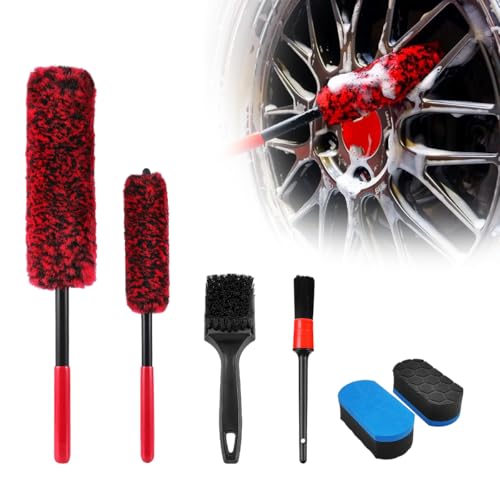
- Tire detailing brush set for tires and wheels
- Tire and wheel cleaning kit brush plus sponge
- Pressure washer tire cleaning brush attachment


Before You Start
Prepare a safe workspace away from direct sunlight to avoid drying cleaners too quickly. Use separate brushes for tires and wheels to minimize cross-contamination. Wear gloves and eye protection when applying cleaners. Allow sufficient time for cleaning to prevent rushed mistakes, typically 20–40 minutes for a standard set of tires. Important cautions: avoid high-pressure water on delicate wheel finishes, test cleaners on a small area first, and never mix aggressive acids with curious household cleaners.
Step-By-Step: How To Clean Tires Effectively
- Rinse the tire and wheel surface with water to remove loose dirt and brake dust.
- Spray a dedicated tire cleaner or a mild detergent solution onto the tire sidewall, avoiding prolonged contact with painted wheel faces if they are sensitive.
- Use the 8 inch nylon bristle tire cleaning brush to agitate the sidewall in circular motions, paying attention to tread grooves for embedded grime.
- Switch to a stiff nylon wheel and tire brush with ergonomic handle for tougher areas like the bead and near the rim edge, ensuring even pressure.
- For stubborn deposits, work with the tire detailing brush set for tires and wheels, selecting smaller heads to reach crevices between tread blocks and around valve stems.
- Rinse thoroughly with water, using a canister or pressure washer attachment if available, to remove soap residue and loosened dirt.
- Repeat with a second, lighter pass if necessary to ensure the sidewall is clean and free of streaks.
- Dry the tire surface with a clean microfiber towel to prevent water spotting and to inspect for remaining spots.
- If desired, apply a tire dressing or water-based conditioner to restore a clean, glossy finish and protect against future grime.
- Inspect the wheel for brake dust buildup and repeat cleaning on wheels as needed, avoiding contact with sensitive finishes.
- Store brushes properly after cleaning to maintain bristle integrity for next use.
- Dispose of dirty rinse water away from plants or drainage areas to minimize environmental impact.
Troubleshooting
| Symptom | Likely Cause | Fix | Prevention |
|---|---|---|---|
| Soap suds not rinsing away | Soap residue or hard water | Rinse with clean water, repeat with fresh cleaner | Rinse thoroughly during cleaning |
| Streaks on tire sidewall | Drying too quickly or uneven soap application | Dry with microfiber and reapply a light cleaner | Clean in shade and keep surface damp while cleaning |
| Brushing leaves scratches on wheel finish | Harsh brushes on delicate finishes | Switch to wheel-safe brushes and avoid metal bristles | Test cleaner on inconspicuous area first |
| Persistent brake dust near spokes | Deep-set dust in wheel crevices | Use smaller detailing brushes and repeat clean | Clean wheels before dirt hardens |
Common Mistakes
- Using metal or stiff brushes on painted or polished wheels
- Mixing cleaner types that create harsh chemical reactions
- Using high pressure directly on the tire sidewall or wheel finish
- Neglecting to rinse thoroughly, causing residue streaks
- Cleaning hot tires in direct sun, which can dry cleaners too fast
Tips For Best Results
- Work from top to bottom to prevent dirty rinse water from re-soiling cleaned areas.
- Choose a dedicated tire cleaner that is safe for rubber and finishes; avoid citrus cleaners on sensitive wheels.
- Keep a set of dedicated brushes for tires and another for wheels to avoid cross-contamination.
- Rinse between passes to monitor progress and adjust brushing pressure as needed.
- Dry thoroughly to prevent water spots and inspect for remaining grime.
Call A Professional
Seek professional help if wheels are badly corroded, if brake dust has etched into finish, or if wheels require refinishing or coating beyond routine cleaning. Stop and contact a pro if there are:
- Cracked or peeling wheel finishes
- Recurring corrosion or discoloration after cleaning
- Unusual wheel vibrations or clearance issues after cleaning
FAQ
What is the safest brush for alloy wheels?
Use a soft to medium stiffness wheel brush designed for delicate finishes to avoid scratching the alloy.
Can I clean tires with dish soap?
Dish soap can strip protective coatings; use a dedicated tire cleaner or mild detergent instead.
How often should I clean tires and wheels?
Clean tires and wheels whenever dirt or brake dust accumulates, typically every 1–2 weeks with regular driving.
Do I need to dry tires after cleaning?
Yes, dry with a microfiber towel to prevent water spots and inspect for remaining grime.
Is a pressure washer safe for wheels?
Yes, but use a low to medium pressure and avoid direct contact with sensitive wheel finishes.
Buying Guide
When selecting tools for tire and wheel cleaning, consider size, material, and ergonomics. Common choices include brushes with nylon bristles that resist wear and are safe for most finishes. Look for ergonomic handles to reduce fatigue during extended cleaning sessions and consider a tire detailing brush set for tackling tight spaces. For those who prefer quick work, a pressure washer tire cleaning brush attachment can speed up the process while maintaining control. Keep brushes dedicated to tires or wheels to prevent cross-contamination and choose cleaners that are safe for rubber, plastic, and metal finishes. Finally, assess storage options to keep your tools organized and ready for the next car wash.