The headliner of a Tesla is a delicate fabric that can accumulate dust, fingerprints, and minor stains over time. Proper cleaning preserves interior value and comfort without damaging the material. This guide provides practical steps and safety tips for American car owners seeking a clean, refreshed headliner.
Quick Answer
Gently vacuum the surface, use fabric-safe cleaner spray on a microfiber cloth, then blot rather than scrub. Finish with a light brush to lift fibers.
What You’ll Need
- Automotive headliner fabric cleaner spray car interior
- Microfiber cloth for car headliner cleaning soft plush set
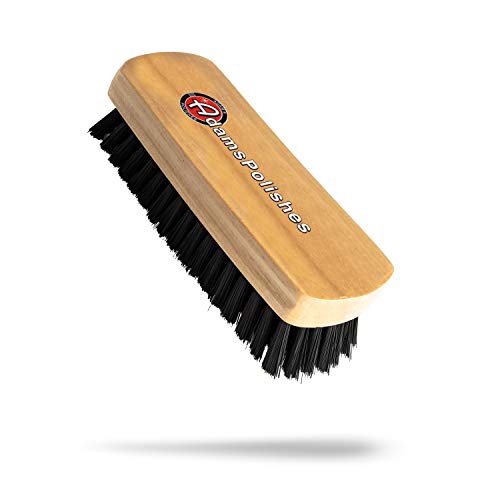
- Soft detailing brush car interior headliner cleaning
- Vacuum cleaner for car interior with crevice tool
- Car interior stain remover fabric spray headliner


Before You Start
Before cleaning, ensure the car is cool and the interior is dry. Use a light touch to avoid saturating the fabric, which can lead to sagging or staining. Test any cleaner on a small, inconspicuous area first to verify colorfastness. Plan for a 30–60 minute window to complete the process, including drying time.
Step-By-Step: How To Clean A Tesla Headliner
- Remove loose dust with a low-suction vacuum using the crevice tool along the edges of the headliner.
- Inspect for stains or spots. Identify whether they are oily, water-based, or unknown to guide cleaning.
- Lightly mist a car interior stain remover fabric spray headliner onto a microfiber cloth, not directly onto the fabric.
- Gently blot the stained area with the cloth, working from the outside toward the center to prevent spreading.
- For general soil, use a automotive headliner fabric cleaner spray car interior on a fresh microfiber cloth and wipe in a sweeping, even motion.
- Use a soft detailing brush car interior headliner cleaning to lift fibers in a vertical motion after damp cleaning, avoiding heavy scrubbing.
- Allow the headliner to air-dry completely. Keep the windows cracked slightly to promote airflow if humidity is high.
- Once dry, run a light brush over the surface to restore nap and prevent flattening of fibers.
- If stubborn stains persist, repeat the blot-and-blot method with a fresh section of cloth, avoiding over-wetting.
- Finish with a quick vacuum pass to remove any loosened debris and to stabilize the fabric texture.
- Assess the finish. If any areas feel tacky or damp after 30 minutes, extend drying time before use.
- For high-traffic vehicles, consider a repeated gentle cleaning cycle every few months to maintain appearance and odor control.
Troubleshooting
| Symptom | Likely Cause | Fix | Prevention |
|---|---|---|---|
| Material seems damp after cleaning | Over-wetting the fabric | Blot with dry towels and increase ventilation | Use minimal liquid per area; test spray on cloth first |
| Stains reappear after drying | Residue left behind | Blot with clean cloth and reapply cleaner sparingly | Consider a dedicated stain remover designed for headliners |
| Headliner fibers look matted | Aggressive cleaning or deep saturation | Gently brush with soft detailing brush and re-dry | Avoid aggressive scrubbing; use proper tools |
| Color fading after cleaning | Harsh cleaner or improper test | Stop using that product; switch to textile-safe options | Always perform a spot test first |
Common Mistakes
- Using harsh or solvent-based cleaners on fabric headliners
- Over-wetting the headliner, causing sagging or water damage
- Scrubbing aggressively, which roughens fibers and can remove nap
- Failing to dry thoroughly, leading to odor or mold growth
Sticking to mild, fabric-safe solutions ensures longevity and maintains the interior’s aesthetic and value.
Tips For Best Results
- Always perform a spot test on an inconspicuous area before full-surface cleaning.
- Work in a shaded area or inside a garage to control heat and sun exposure.
- Use microfiber cloths with a tight weave to lift dirt without embedding fibers.
- Combine gentle cleaning with a light brush to keep fibers looking fresh.
- Regular light maintenance reduces deep cleaning needs over time.
Call A Professional
Seek professional help if the headliner shows significant sagging, extensive staining, or water damage, or if the cleaning requires removing panels. Stop and contact a pro when you notice peeling, dye loss, or structural issues that affect safety or electronics.
FAQ
Can I use household cleaners on a Tesla headliner?
Household cleaners are not recommended; use automotive fabric-safe sprays and cleaners designed for headliners.
Is it safe to use a vacuum on the headliner?
Yes, with low suction and a crevice tool to avoid fabric damage.
How long does it take to dry after cleaning?
Drying typically takes 30–60 minutes, depending on humidity and ventilation.
What if stains won’t come out?
Repeat the blotting process with a fresh cloth or consider a stain remover specifically for fabric headliners.
Buying Guide
When choosing products for cleaning a Tesla headliner, consider size, noise level, energy efficiency, controls, and placement. Look for fabric-safe formulas labeled for automotive interiors, and select tools that fit your vehicle’s interior dimensions.
Key buying factors include:
- Size and portability of cleaning sprays and cloth sets
- Soft microfiber cloths with plush texture for delicate headliners
- Non-abrasive soft detailing brushes designed for fabric surfaces
- Vacuum cleaners with a narrow crevice tool to reach tight gaps
- Fabric spray stain removers specifically designed for headliner materials
Consider how often you clean and whether you prefer quick sprays or deeper, occasional refreshes. For best results, select a coordinated kit featuring a headliner-safe cleaner, microfiber cloths, a gentle brush, and a dedicated stain remover.