Introduction
Taxidermy adds a striking focal point to homes, but keeping mounts clean requires care to preserve their appearance and longevity. This guide explains practical steps, safe products, and common-sense precautions to maintain taxidermy without damage.
By following a careful routine, owners can minimize dust buildup, prevent surface grime, and protect beauty with appropriate cleaners and methods designed for mounts.
Quick Answer
Gently remove dust with a soft brush, spot-clean only when necessary using a taxidermy cleaning spray for mounts, and finish with a UV protective spray to guard against light exposure. Avoid soaking, harsh chemicals, or high-pressure cleaning that can harm the specimen.
What You’ll Need
- Taxidermy cleaning spray for mounts
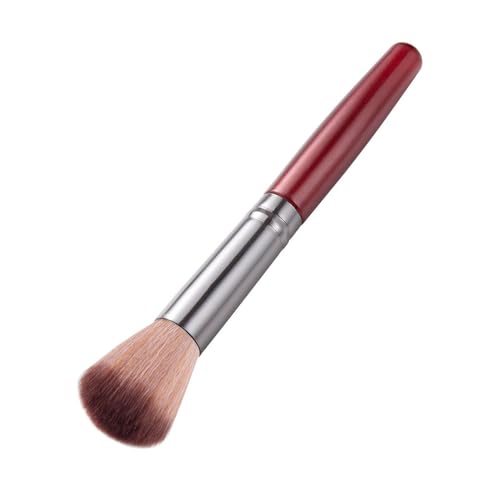
- Soft dusting brush for taxidermy
- Microfiber cloth for taxidermy cleaning
- UV protective spray for taxidermy mounts
- Taxidermy preservation spray kit


Before You Start
Assess the mounted specimen for any existing damage or loose pieces. Conduct a spot test on a hidden area before broader cleaning. Work in a well-ventilated space and wear disposable gloves if desired. Do not use water, household cleaners, or abrasive tools on most taxidermy, as moisture can cause hide deterioration or staining. Plan for a 20–60 minute cleaning session depending on the mount’s size and dust level. Exercise caution around fragile facial features and glass display cases.
Step-By-Step: How To Clean Taxidermy Safely
- Position the mount in a well-lit area and remove loose surface dust with a soft dusting brush for taxidermy.
- Gently sweep along contours and into crevices, using smooth, even strokes to avoid dislodging delicate parts.
- If visible grime persists, lightly mist a taxidermy cleaning spray for mounts onto a microfiber cloth rather than directly onto the specimen.
- Test the spray on an inconspicuous spot; if no discoloration or changes occur, continue with controlled spot cleaning on the soiled area only.
- Wipe the treated area with a clean microfiber cloth for taxidermy cleaning, using gentle motions to lift grime without saturating the surface.
- Inspect for remaining dust and repeat as needed, focusing on the neck, shoulders, and any textured features where dust tends to accumulate.
- Apply a light coat of UV protective spray for taxidermy mounts to help shield from sunlight and fading; allow it to dry completely before repositioning the mount.
- Use the taxidermy preservation spray kit according to its directions if the mount shows signs of drying or desiccation, typically after cleaning and drying.
- Reassess the display area for humidity and temperature; avoid high humidity or direct heat sources that could affect the materials.
- Schedule routine maintenance every 6–12 months, or more often for high-traffic rooms or dusty environments.
- Store cleaning supplies out of reach of children and pets, and maintain a dedicated, non-abrasive cleaning routine for best results.
- If any damage or loose joints appear, stop cleaning and seek professional advice before continuing.
Troubleshooting
| Symptom | Likely Cause | Fix | Prevention |
|---|---|---|---|
| Uneven color or staining after cleaning | Improper chemical interaction | Stop and perform spot test; revert to gentle cleaning only | Use step-tested products designed for taxidermy |
| Sticky residue after spray | Over-application or incompatible products | Wipe with dry microfiber and air-dry | Apply sparingly and test first |
| Water spots or swelling | Moisture exposure | Dry promptly with airflow; avoid water-based cleaners | Keep moisture away from the mount |
| Loose fur or hair shedding | Age, prior damage, or aggressive cleaning | Consult a professional restorer | Handle gently; limit cleaning intensity |
Common Mistakes
- Using water-based cleaners or household sprays on mounts
- Direct spraying onto the specimen; misting onto cloth is safer
- Over-wetting or soaking the skin or backing materials
- Rubbing aggressively with rough fabrics or brushes
- Neglecting UV protection, leading to fading over time
Tips For Best Results
- Clean in a dust-free environment when possible to minimize repeated cleaning sessions
- Maintain a consistent cleaning schedule to prevent heavy buildup
- Choose products labeled specifically for taxidermy to reduce risk of damage
- Protect the display area from direct sun and high humidity
- Keep a small cleaning kit handy for routine upkeep between professional treatments
Call A Professional
Seek professional assistance if there are signs of cracking, odor, loose components, or significant staining. Stop cleaning if any part of the mount appears to be detaching or if the surfaces feel tacky or brittle. For mounts with value or historical significance, consult a certified taxidermist or conservator before attempting extensive cleaning or restoration.
FAQ
Is it safe to use water on taxidermy mounts?
No. Water can damage the skin, hide, and adhesives. Use only approved sprays and a dry approach.
How often should taxidermy be cleaned?
Most mounts benefit from a light cleaning every 6–12 months, with adjustments based on environment and dust levels.
Can I use household cleaners on taxidermy?
Generally not. Household cleaners can cause discoloration or deterioration; use products designed for taxidermy.
What environmental conditions help preserve taxidermy?
Stable, moderate humidity and away from direct sunlight help reduce fading and material degradation.
What should I do if the fur starts shedding?
Stop cleaning and contact a professional conservator or taxidermist to assess stabilization and possible re-mounting.
Are UV sprays essential?
UV protection helps slow fading from light exposure, especially in sunlit rooms; use as part of a regular maintenance routine.
Buying Guide
When selecting products for taxidermy cleaning and preservation, consider size, compatibility with the mount’s materials, and user safety. Look for kits that include a preservation spray and UV protection, as well as a soft brush and microfiber cloth designed for delicate surfaces. Evaluate the ease of use, spray coverage, and drying times. Consider the display location: rooms with large windows may benefit more from UV protective coatings and humidity control measures. Pay attention to product reviews focusing on long-term results and any notes about residue, color changes, or ease of use. A well-chosen kit simplifies routine maintenance and helps extend the life of the mount.