Silver plate items can lose their luster over time due to tarnish, a natural reaction with sulfur compounds in the air. This guide explains a practical approach to restore shine while protecting the delicate surface of silver-plated pieces. Following the steps, homeowners can safely refresh silverware, serving dishes, and decorative items.
Quick Answer
Quick Method: Start with a gentle cleaner and a non-abrasive cloth, then move to polishing compounds for stubborn tarnish. Always test a small area first and avoid over-polishing to prevent thinning the plate.
What You’ll Need
- Silver tarnish remover liquid 8 oz for silver plate
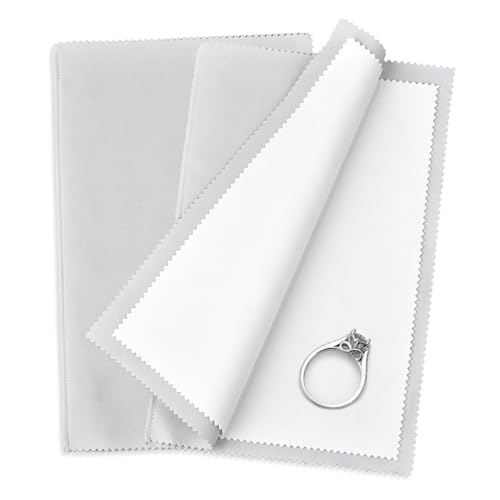
- Non-abrasive silver polishing cloth for silverware
- Silver cleaning kit paste and brush for tarnish removal
- Jeweler’s rouge polishing compound for silver
- Microfiber buffing cloth for silver polishing and tarnish removal


Before You Start
Prepare a clean, soft workspace away from heat and direct sunlight. Remove any decorative inlays or fragile components that could be damaged by moisture. If the piece is gilded or has a pattern with delicate detailing, test a small inconspicuous area first. Important cautions: avoid abrasive pads or rough brushes that can scratch the surface; never soak silver plate that contains glued components or wooden handles for extended periods; wear gloves to protect your hands and preserve a pristine finish. Estimate a 15–45 minute session for typical household items, longer for heavily tarnished pieces.
Step-By-Step: How To Clean Tarnished Silver Plate
- Set up a shallow tray of warm water with a mild amount of silver cleaning liquid. Use a soft brush or the cleaning kit paste to apply a thin layer over the tarnished areas.
- Gently work the paste into crevices with the brush, following the grain of any decorative patterns. Avoid circular scrubbing that can create uneven wear.
- Rinse the piece under lukewarm water to remove loosened tarnish and cleaning residue. Pat dry with a microfiber cloth to prevent water spots.
- If tarnish persists, apply jeweler’s rouge polishing compound with a clean cloth. Buff in small circular motions until the tarnish lifts and the surface shines, then wipe away any residue.
- For heavily tarnished or larger items, use the silver tarnish remover liquid as directed on the bottle. Submerge briefly or apply with a soft cloth, then rinse thoroughly and dry completely.
- Finish with a final buff using a microfiber cloth or a non-abrasive polishing cloth to achieve a bright, even finish. Remove any fingerprints with a lint-free cloth and light pressure.
- Inspect the surface under good lighting. If dull patches remain, repeat the polishing steps in gentle, incremental passes to avoid over-polishing.
- Storage tip: after cleaning, store silver plate in a cool, dry place. Wrapping in anti-tarnish fabric or keeping in a soft-lined box helps maintain shine between uses.
- For frequently used items, consider a light monthly wipe with the polishing cloth to prevent heavy tarnish buildup without removing excessive material.
- Document the care routine for heirloom pieces, noting any finish or pattern that requires special handling to prevent accidental damage in future cleanings.
- Reassess after cleaning and adjust frequency of polishing based on exposure to humidity, cooking sulfur, and handling.
Troubleshooting
| Symptom | Likely Cause | Fix | Prevention |
|---|---|---|---|
| Dull patches after polishing | Uneven application or residue | Reapply with a clean cloth, buff evenly, remove all residue | Use soft, lint-free cloths; clean in a single direction |
| Scratches visible | Over-aggressive brushing | Switch to gentler motions and avoid hard abrasives | Choose non-abrasive pads and mild polishes |
| Tarnish returns quickly | High sulfur exposure or humidity | Use anti-tarnish storage and regular light cleaning | Store in dry, climate-controlled conditions |
| Gilded or patterned areas flaking | Over-polishing or harsh cleaners | Stop polishing those areas and consult a professional if needed | Avoid aggressive methods on delicate finishes |
Common Mistakes
- Using abrasive pads or harsh chemical cleaners on silver plate
- Soaking pieces with glued components or handles for long periods
- Polishing too aggressively, which can thin the plate
- Neglecting to dry thoroughly after cleaning, leading to water spots or new tarnish
Taking a measured approach helps preserve the plate’s thin silver layer and preserves detail.
Tips For Best Results
- Always test cleaners on a small, inconspicuous area before full use.
- Use a dedicated polishing cloth for silver to avoid cross-contamination with other metals.
- For a gentle daily touch-up, a light wipe with a microfiber cloth can maintain shine without full cleaning.
- Keep the silver dry after rinsing and thoroughly buff dry to prevent new tarnish.
- Label and store products by item type (clearware, flatware, decorative) to avoid mixing and potential damage.
Call A Professional
Stop and seek professional help if any of the following occur: visible plating loss, flaking, or if the piece has sentimental or monetary value. If a piece is antique or gilded and you’re unsure about the finish, consult a conservator or jeweler for assessment before attempting home restoration.
FAQ
Can I use toothpaste to clean tarnished silver plate?
Toothpaste is abrasive and can scratch or dull silver plate; use recommended cleaners instead.
Is it okay to mix cleaners?
Avoid mixing cleaners; follow manufacturer directions and test on a small area first.
How often should I polish silver plate?
Light maintenance every few months is enough for items not used daily; heavy-use pieces may require more frequent care.
What’s the best storage to prevent tarnish?
A dry, cool environment with anti-tarnish lining or silica gel helps reduce tarnish buildup between uses.
Should I buff in a particular direction?
Buff in the direction of any decorative engravings and then across smooth surfaces to avoid streaks.
Buying Guide
Shopping for silver care supplies involves considering how the product format and performance match the item you own. Key buying factors include size and quantity, noise level during polishing, and energy-efficient, low-odor formulas. Look for packaging that clearly lists usage directions and compatibility with silver plate. Consider a complete kit that includes a paste, brush, and a lint-free cloth to simplify routines. For large or heavily tarnished pieces, select a remover that offers controlled application to minimize contact with sensitive areas. Placement within storage should align with your living space—keep cleaning supplies away from children and pets, and store in a cool, dry cabinet with good air circulation.