Sunfish are a popular panfish for home cooks, offering tasty fillets with minimal effort when properly cleaned. This guide covers a straightforward method to clean sunfish safely and efficiently, using common kitchen tools and durable fish-cleaning gear. Readers will find practical steps, safety notes, and tips to avoid waste while preserving quality.
The process focuses on removing scales, gutting, and preparing sunfish for immediate cooking or freezing. With the right tools, cleaning sunfish becomes a quick and predictable task, suitable for beginners and seasoned anglers alike.
Quick Answer
Rinse the fish, scale from tail toward head, remove the guts with a knife, rinse again, trim the fins if desired, and fillet or cube for cooking. Keep a sharp knife and a stable cutting board for clean, safe work.
What You’ll Need
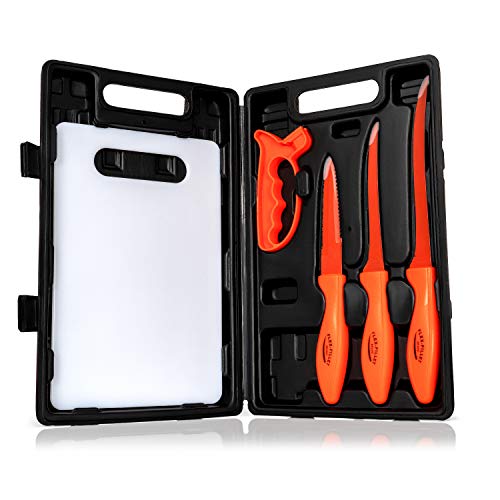
- Sunfish cleaning knife stainless steel
- Sunfish fillet knife small blade
- Panfish scale fish scaler tool stainless steel
- Panfish gutting knife with sheath
- Fish cleaning cutting board set for sunfish


Before You Start
Before cleaning sunfish, prepare a clean workspace and have a trash bucket or bag nearby for organs and guts. Use a cutting board with a textured surface to prevent slipping. Wear disposable gloves if preferred and ensure a sharp knife for cleaner cuts. Always keep raw fish separate from ready-to-eat foods to prevent cross-contamination. Expect a typical cleanup time of 5–15 minutes per fish, depending on size and experience.
Step-By-Step: How To Clean Sunfish
- Place the sunfish on a stable cutting board. Rinse quickly under cold water to remove slime and debris.
- Use a fish scaler or the back of a knife to remove the scales. Start at the tail and move toward the head with firm, short strokes.
- Rinse the fish again to wash away loosened scales. Pat dry with a clean towel if needed.
- Using the gutting knife, make a shallow incision along the belly from the anal opening to the gills.
- Reach in and remove the entrails. Pull them out in one piece if possible, discarding promptly into a trash container.
- Rinse the cavity thoroughly under cold water, removing any remaining blood or organs. Pat dry.
- Trim the fins if desired with kitchen shears or a knife for a cleaner look and easier cooking. Rinse again.
- If filleting, place the fish on its side and cut along the backbone from tail to head, separating fillets. Remove the rib bones with a pin bone tweezers if needed.
- Skin the fillets if you prefer skin-off preparation: slide a thin blade between skin and flesh and work toward the edge.
- Portion the fillets into meal-sized pieces and store immediately, either on ice or in the refrigerator if cooking soon, or freeze for longer storage.
- Clean and dry your tools and cutting board thoroughly to prevent fishy odors from lingering on surfaces.
- Label packages with date and contents for easy identification later.
Troubleshooting
| Symptom | Likely Cause | Fix | Prevention |
|---|---|---|---|
| Persistent odor on hands or board | Residual fish oils | Wash with warm, soapy water; wipe with a small amount of lemon juice | Rinse and clean promptly after use |
| Slippery fish during scaling | Moist surface or fish slipping | Dry the fish and use a non-slip mat or damp paper towel under the cutting board | Keep board stable and dry hands when handling |
| Gutting is messy | Insufficient knives or technique | Use a gutting knife with proper length and maintain a clean incision | Practice on a smaller fish first |
| Fillets stick to the blade | Dry blade or blade angle | Lightly oil the blade or use a non-stick prep knife | Keep blade sharp and clean |
| Rib bones remain after filleting | Missing pin bone removal | Check with tweezers and remove visible bones | Inspect fillets before cooking |
Common Mistakes
- Rushing the gutting process and leaving tissue near the spine
- Using a dull knife that tears flesh rather than cleanly cutting
- Not thoroughly rinsing the cavity, leaving blood or scales behind
- Scaling against the grain, which can push scales into the flesh
- Letting fish sit too long after cleaning, which can degrade texture
Tips For Best Results
- Keep a dedicated fish-cleaning station with a shallow tray for scraps to minimize mess.
- Cold water helps keep the fish firm during handling and cleaning.
- Preserve skin-on fillets if the recipe benefits from extra moisture and texture.
- If freezing, separate fillets with parchment or plastic wrap to prevent sticking.
- Sharpen knives regularly; a sharp tool makes cleaner cuts and reduces waste.
Call A Professional
Consider contacting a professional if the sunfish are unusually large, if you experience persistent difficulty in scaling or gutting, or if you plan to process fish in high volumes for canning or commercial purposes. Seek help when handling large quantities to ensure safety and consistent quality.
FAQ
Is it necessary to remove the skin from sunfish?
Sunfish can be cooked with skin on or off. Skinless fillets are common for light, delicate dishes, while skin-on fillets help retain moisture.
What knife should I use for cleaning sunfish?
A dedicated sunfish cleaning knife stainless steel or a small sunfish fillet knife is ideal for precision and control.
Can I use the same tools for other panfish?
Yes. Tools like a panfish scale tool and gutting knife are versatile for various small to medium panfish species.
How long will cleaned sunfish stay fresh?
Raw cleaned sunfish should be stored on ice or refrigerated and used within 1–2 days, or frozen for longer storage.
Buying Guide
When selecting gear to clean sunfish, consider several factors to ensure efficiency and longevity. Size matters for handling comfortable cleaning, and a dedicated cutting board with grip helps control movement. Noise level is generally not a concern for these tools, but build quality and corrosion resistance are important in the stainless steel elements. Look at the following considerations:
- Size and weight: Choose compact, maneuverable knives that feel balanced in hand for precise work on small sunfish.
- Material: Stainless steel blades resist corrosion and are easier to sanitize, a practical choice for frequent use.
- Edge retention: A sharp edge minimizes waste and provides cleaner cuts; consider a sharpening method or stones you’re comfortable with.
- Safety features: Sheaths for gutting knives and non-slip grips reduce risk during cleaning.
- Cleaning suitability: Tools designed for fish cleaning with easy disassembly for washing help maintain hygiene.
- Budget and warranty: Balanced investment in a few essential tools often yields reliable performance over time.
For a straightforward sunfish-cleaning setup, pair a compact sunfish cleaning knife stainless steel and a sunfish fillet knife small blade with a sturdy panfish scale tool and a gutting knife with sheath. A dedicated fish cleaning cutting board set for sunfish keeps surfaces organized and minimizes cross-contamination.