Maintaining a clean stove hood filter helps improve air circulation, reduce grease buildup, and keep your kitchen looking fresh. This guide covers simple, effective methods to clean your hood filter using common kitchen tools and readily available products. Whether you have a metal or charcoal filter, regular care can extend its life and keep your range hood performing at its best.
Following a steady routine makes the process quick and predictable. The steps below outline a straightforward approach, including safe handling, effective cleaning solutions, and pro tips to prevent future buildup.
Quick Answer
Quick Method: Remove the filter from the hood, soak in hot, soapy water, scrub with a brush, rinse, and air-dry. For stubborn grease, use a degreaser spray and a specialized cleaning scrubber or sponge pad kit, then reinsert. Repeat every 1–3 months depending on cooking frequency.
What You’ll Need
- Stovetop range hood grease filter cleaning brush or a hood filter cleaning brush set
- Range hood grease filter degreaser spray
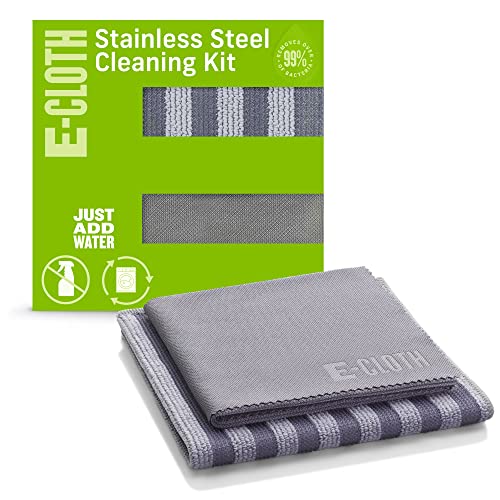
- Stainless steel hood filter cleaning kit (if your hood uses stainless steel parts)
- Stove hood filter cleaning sponge and pad kit or standard non-abrasive sponges
- Hot water and mild dish soap
- Spray bottle or basin for soaking
- Old towels or rags for drying


Before You Start
Turn off the range hood and ensure the stove area is cool. Remove the power plug if accessible and avoid water on electrical components. Check the filter type (metal, mesh, or charcoal) because charcoal filters aren’t washable and should be replaced. Gather all tools and prepare a dedicated cleaning space near the sink. Plan enough time: soaking may take 15–30 minutes, plus brushing and drying.
Critical cautions: Do not use abrasive steel wool on stainless steel hoods; avoid harsh solvents on painted surfaces; never immerse non-washable filters in water. If the hood is old or damaged, consult the manufacturer’s guidelines before cleaning.
Step-By-Step: How To Clean Stove Hood Filter
- Power down and remove the filter from the hood—note how it sits for easy reinstallation.
- Shake off excess grease over a trash receptacle to minimize mess.
- Prepare a soaking solution: hot water with a few squirts of dish soap in a basin or large sink.
- Dip the filter and let it soak for 10–20 minutes. For heavy buildup, add a range hood grease filter degreaser spray to the soak water or spray directly on the filter before soaking.
- Gently agitate and scrub with a stovetop range hood grease filter cleaning brush or hood filter cleaning brush set, focusing on each mesh layer and corners.
- Rinse under hot running water until all soap and grease are removed. If residue persists, repeat steps 4–5 or switch to a dedicated cleaning sponge from the stainless steel hood filter cleaning kit.
- For stubborn spots, use a soft scrub pad from the stove hood filter cleaning sponge and pad kit. Avoid metal brushes that could scratch the surface.
- Drain well and lay the filter flat on a towel to air-dry completely before reinstalling.
- Reinstall the dry filter, ensuring it sits securely. Wipe any splashes from the hood surface after drying.
- Run the hood on low for a few minutes to circulate air and verify proper function after cleaning.
- Schedule regular cleanings: metal filters typically benefit from monthly to quarterly maintenance, depending on cooking style.
Troubleshooting
| Symptom | Likely Cause | Fix | Prevention |
|---|---|---|---|
| Grease remains after cleaning | Insufficient soaking or scrub intensity | Increase soak time and scrub with a dedicated brush | Soak longer during heavy cooking weeks |
| Filter warps or corners lifting | Excessive heat or harsh cleaners | Use mild cleaners and avoid high heat while cleaning | Cool the hood before handling; use appropriate cleaners |
| Metal discoloration | Scrubbing with abrasive materials | Switch to non-abrasive pads and gentle brush | Choose soft pads; follow manufacturer guidance |
| Noisy fan after cleaning | Debris trapped in motor or fan | Wipe exterior; check for loose components | Keep area clean and avoid water near electrical parts |
Common Mistakes
- Using abrasive brushes or steel wool on metal or stainless surfaces
- Soaking charcoal filters; they are not washable and may need replacement
- Rinsing with cold water after a hot soak, which can cause warping
- Skipping drying steps, which leads to rust or mold growth
Tips For Best Results
- Establish a regular cleaning cadence based on cooking frequency; heavier use requires more frequent cleanings.
- Pre-treat heavy grease with a spray degreaser before soaking for easier removal.
- For stainless steel surfaces, wipe in the direction of the grain to reduce streaks.
- Label filters that have been cleaned to track maintenance intervals.
- Store cleaning tools in a dedicated kit for quick access during future cleanings.
Call A Professional
Consider a professional if the filter is severely clogged, the hood’s performance remains poor after cleaning, or there are signs of rust or damage to the hood body. Seek help if the filter shows melted components, persistent fumes, or electrical concerns. Do not attempt to disassemble or repair electrical parts yourself.
FAQ
How often should I clean a stove hood filter?
Most homes benefit from cleaning every 1–3 months, increasing frequency with heavy cooking, frying, or frequent grease buildup.
Can I wash charcoal filters?
No. Charcoal filters are not washable; they should be replaced according to the hood manufacturer’s guidance.
What’s the best cleaner for stainless steel hood filters?
A mild dish soap with a dedicated degreaser spray is effective, followed by a soft scrub pad; avoid abrasive cleaners.
Is it okay to use a dishwasher for metal hood filters?
Some metal filters are dishwasher-safe, but check the manufacturer’s instructions to avoid damage or warping.
What if my hood filter won’t fit back after cleaning?
Ensure it’s completely dry and aligned with the hood slots; if deformation occurred, replace or seek guidance from the manufacturer.
Can I clean the internal components of the hood?
In most cases, only the filter is cleaned; internal components should be serviced by a professional if not designed for user maintenance.
Should I remove the grease tray or drip pan for cleaning?
Yes, detach and clean it separately to prevent hidden grease buildup from recontaminating the filter.
Buying Guide
Choosing the right tools and products for cleaning a stove hood filter involves understanding size compatibility, materials, and maintenance needs. This guide reviews key buying factors to help American shoppers.
Size And Fit
Measure the filter’s dimensions and the hood’s interior space before purchasing any replacement or cleaning kit items. Standard metal filters come in common sizes, but some models use unique shapes that require an exact fit for effective cleaning.
Material And Compatibility
Metal filters, typically stainless steel, handle regular cleaning well. If your hood uses mesh or non-metal components, select brushes and pads designed for those materials to avoid scratching or damage.
Cleaning Tools And Kits
Consider a stovetop range hood grease filter cleaning brush set and a stainless steel hood filter cleaning kit for a comprehensive approach. A degreaser spray helps stubborn grease, while sponge and pad kits provide gentle scrubbing options.
Effectiveness And Safety
Look for products labeled safe for metal and stainless steel surfaces. Avoid harsh chemicals on painted hoods and ensure tools are non-abrasive to prevent surface damage.
Maintenance And Replacement
Some filters are washable; others require replacement after wear. Check the manufacturer guidelines to determine when to replace versus clean. Consider keeping extra filters on hand for immediate replacements during heavy cooking seasons.
Placement And Storage
Store cleaning supplies together near the kitchen sink with a dry towel for drying. A dedicated cleaning caddy helps keep brushes, sponges, and degreasers organized and ready for quick maintenance.