Stone floors add natural beauty and durability to homes, but they require careful cleaning to preserve shine and longevity. This guide covers practical methods, safety tips, and product recommendations to help American households maintain granite, marble, and other stone surfaces without damage.
Quick Answer
Choose the right method based on stone type: steam or stone floor the floor with a pH-neutral cleaner for daily upkeep; use an electric floor scrubber for heavy grime; finish with a dry microfiber mop. For grout lines, a dedicated tool helps restore brightness without scratching nearby stone.
What You’ll Need
- Electric floor scrubber for stone floors
- Steam mop for stone floors
- Diamond polishing pads for stone floors 4 inch set
- Stone floor grout cleaner tool
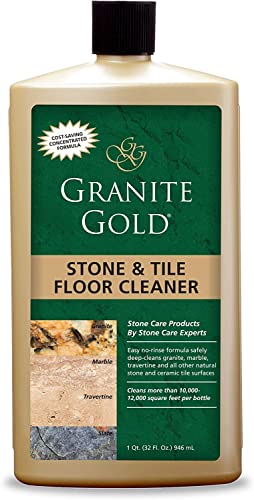
- Appropriate pH-neutral stone cleaner
- Microfiber mop or cloths
- Soft-bristle brush for grout and edges


Before You Start
Prepare a small, inconspicuous test area to ensure the cleaner and method do not alter color or finish. Read stone type care instructions (granite, marble, or limestone may have different needs). Protect surrounding surfaces from splashes and choose a cool, dry area for storage. Typical cleaning time ranges from 30 minutes for routine care to 2 hours for deep cleaning and grout restoration.
Step-By-Step: How To Clean Stone Floors
- Identify stone type: determine if the floor is granite, marble, or limestone to choose the right cleaner and method.
- Dust and sweep: remove loose dirt with a microfiber broom or dust mop to prevent scratching during cleaning.
- Prepare cleaning solution: mix a pH-neutral stone cleaner with water according to product instructions. Avoid acidic or alkaline cleaners that can etch the surface.
- Wash floors in sections: spray or apply cleaner to a small area, then scrub gently with a non-abrasive pad or soft-bristle brush.
- Use a stone-safe machine if needed: run an electric floor scrubber for heavy grime, ensuring pads are appropriate for stone and not overly abrasive.
- Rinse thoroughly: remove any soap residue with clean water to prevent streaks and dulling. A damp, not soaking, mop works well.
- Dry the surface: use a dry microfiber cloth or mop to eliminate standing water and reduce water spots.
- Tackle grout: use a stone floor grout cleaner tool along grout lines. Gently brush and rinse to brighten without scratching stone.
- Polish and protect: optional diamond polishing pads can restore sheen on dull areas, followed by a stone-safe sealer if recommended for your stone type.
- Edge and corner care: pay attention to edges where dust accumulates; use a smaller brush to clean along baseboards carefully.
- Maintenance routine: establish a regular schedule (weekly light cleaning, monthly deep cleaning) to prolong the floor’s appearance.
Troubleshooting
| Symptom | Likely Cause | Fix | Prevention |
|---|---|---|---|
| Streaks after cleaning | Soap residue or hard water deposits | Rinse with clean water and re-mop with a minimal cleaner concentration | Use a pH-neutral cleaner and distilled water when possible |
| Etching or dull spots on marble | Acidic cleaners or citrus phrases | Stop use of acids and re-clean with a marble-safe product | Always verify cleaner pH before use |
| Grout discoloration | Dirt buildup in grout lines | Use a dedicated grout cleaner tool and light brushing | Clean grout during routine maintenance |
| Scratches from cleaning tools | Hard bristles or abrasive pads | Switch to soft pads and microfiber tools | Inspect tools for wear before each use |
| Stains that won’t lift | Deep spill absorption | Apply a stone-safe stain remover following product directions | Address spills promptly to prevent set-in stains |
Common Mistakes
- Using acidic or ammonia-based cleaners on stone floors, especially marble
- Over-wetting the floor, which can loosen grout or seep beneath layers
- Using rough scrubbing pads that scratch the surface
- Neglecting grout lines, leading to persistent discoloration
- Skipping a test spot, risking damage to finish or color
Tips For Best Results
- Always test cleaners in a small, inconspicuous area before full-floor use
- Work in shaded sections to prevent rapid drying and streaks
- Use a dedicated stone-safe cleaning routine rather than household cleaners
- Seasonal sealing guidance: certain stones benefit from a reputable sealer after deep cleaning
- Maintain moisture balance by drying promptly to prevent mineral deposits
Call A Professional
Consider a professional if stone shows deep staining, etched spots, or grout is heavily discolored. Seek a pro for refinishing marble or granite, or when a sealer recommendation surpasses household maintenance. Unusual cracking, gaps, or crumbling grout also indicates professional assessment is needed.
FAQ
What cleaner should I use on marble floors?
Use a pH-neutral, stone-safe cleaner specifically labeled for marble to avoid etching.
Can I use a steam mop on stone floors?
Yes, provided the stone is sealed and the steam mop is used with caution, avoiding high heat and prolonged moisture on grout.
How often should grout be cleaned?
Clean grout during routine cleaning and perform a deeper grout cleaning monthly or as needed based on traffic.
Is sealing stone floors necessary?
Sealing can help protect porous stones; follow manufacturer recommendations for your specific stone type and sealer product.
What tools are safest for stone floors?
Soft microfiber mops, non-abrasive pads, and tools designed for stone floors minimize risk of scratches.
How do I remove tough stains from granite or marble?
Apply a stone-safe stain remover and follow product directions; avoid harsh cleaners that can cause damage.
Should I use a floor scrubber for everyday cleaning?
Use an electric floor scrubber sparingly for heavy grime; otherwise, stick to gentle cleaning with a microfiber mop.
Buying Guide
When choosing products for stone floor cleaning, consider size, noise, energy use, and compatibility with stone types. Is the machine powerful enough to handle stubborn grime without risking etching? Look at the operating temperature and pad types to ensure safe use on stone surfaces. For households with marble, prioritize gentler cleaners and soft pads. For granite or limestone, verify that cleaners are pH-neutral and sealers are recommended by the manufacturer. Placement and storage matter too: keep cleaners away from children and pets, store upright, and ensure cords don’t obstruct walkways. Compare options across size and weight, noise levels, and whether they include interchangeable pads or grout brushes. A balanced approach—combining a dedicated stone floor grout cleaner tool, a stone-safe electric scrubber, and a steam mop—provides flexibility for routine cleaning and periodic deep cleaning without compromising finish. Are you balancing daily upkeep with occasional deep cleaning to maintain luster and longevity?