Stone countertops add natural beauty and enduring durability to kitchens and bathrooms. Proper cleaning extends their life by preventing stains, etching, and dulling. This guide provides practical, consumer-friendly steps using commonly available tools designed for granite, marble, and other stone surfaces in American homes.
The information here emphasizes gentle, effective methods that work across stone types while avoiding harsh chemicals that can damage seals or natural stone.
Quick Answer
For daily cleaning, use a pH-neutral granite marble countertop cleaner spray bottle applied to a damp microfiber cloth. Wipe surfaces in a circular motion, then dry with a clean, dry cloth. For tougher spots, scrub gently with a non-abrasive scrub pad and re-wipe. Sealers are best used as recommended by product instructions and not as a daily step.
What You’ll Need
- pH-neutral granite marble countertop cleaner spray bottle
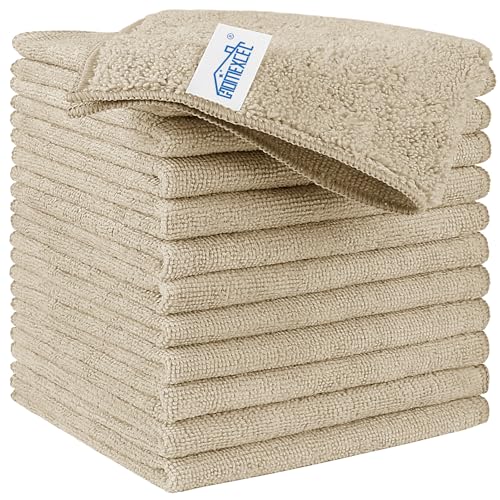
- microfiber cleaning cloths for stone countertops 12 pack
- non-abrasive scrub pad for granite countertops
- stone countertop cleaning kit with spray bottle and granite cleaner
- granite countertop sealer applicator sponge kit


Before You Start
Clear the surface of any items and wipe away loose debris. Test any cleaner on a small, inconspicuous area before broad use to ensure no discoloration or dulling occurs. Keep cleaners away from marble if the product label specifically warns against acidic formulas. Prepare a dry, lint-free microfiber cloth for final drying. Time estimate: 5–15 minutes for routine cleaning; longer for stubborn stains or sealing tasks. Critical cautions: avoid acidic cleaners on marble, do not scrub with abrasive materials, and never leave standing liquid on surfaces to prevent etching or water spots.
Step-By-Step: How To Clean Stone Countertops
- Remove loose items and wipe the surface with a dry microfiber cloth to lift dust.
- Lightly spray the pH-neutral granite marble countertop cleaner onto a microfiber cleaning cloth or directly onto the stone as recommended by the product.
- Gently wipe along the grain of the stone, covering the entire surface with a damp, not soaking-wet, cloth.
- For sticky spots, use a non-abrasive scrub pad for granite countertops with a small amount of cleaner in circular motions. Avoid harsh scrubbing.
- Rinse the cloth and wipe away any cleaner residue. A second pass with a clean, damp cloth helps remove film.
- Dry the surface completely with a microfiber cleaning cloths for stone countertops to prevent water spots and streaks.
- If using a sealer, follow the granite countertop sealer applicator kit directions after the surface is fully dry and free of cleaner.
- Wipe down the edge and backsplash to avoid residue buildup and allow it to air-dry.
- Regular maintenance: repeat daily cleaning and perform deeper cleaning as needed based on usage and stain visibility.
- For spills, blot thoroughly with a clean cloth rather than wiping, to prevent spreading liquids into the stone.
Troubleshooting
| Symptom | Likely Cause | Fix | Prevention |
|---|---|---|---|
| Dull or streaky surface | Residue from cleaner or improper drying | Wipe with a clean, damp cloth; dry thoroughly | Use a microfiber cloth and a pH-neutral cleaner consistently |
| Staining | Spill left too long or porous stone | Clean with appropriate cleaner; if stain persists, consult product guidelines | Wipe spills immediately |
| Etching or color change (on marble) | Acidic cleaner exposure | Switch to pH-neutral cleaner and avoid acids | Test cleaners on a small area first |
| Scratches visible | Abrasion from scrub pads | Switch to gentler cleaning methods; replace pad | Use non-abrasive pads only |
| Sealer not penetrating | Surface not completely dry or over-application | Wait for full dry time and apply as directed | Follow steps exactly as per sealer kit |
Common Mistakes
- Using acidic cleaners on marble or limestone.
- Scrubbing with abrasive pads or steel wool.
- Over-wetting the surface, leaving standing liquid.
- Ignoring manufacturer recommendations for sealing and maintenance.
Tips For Best Results
- Keep a dedicated microfiber cleaning cloths for stone countertops 12 pack on hand for daily use and a separate cloth for sealer application.
- Always apply cleaners to the cloth rather than directly on the stone unless the product specifies otherwise.
- Dry thoroughly after cleaning to minimize water spots and mineral buildup.
- Schedule sealing based on stone porosity and usage; follow the granite countertop sealer applicator sponge kit instructions for best results.
- Store cleaning products away from heat and in their original containers to prevent accidental misuse.
Call A Professional
Notice persistent etching, severe staining, or uneven sealing. If a marble or limestone countertop shows persistent dulling, color changes, or you’re unsure about sealing compatibility, consider consulting a stone care professional. Stop DIY attempts if chemical reactions occur or if the countertop shows unusual damage patterns that could indicate structural issues.
FAQ
What is the best cleaner for stone countertops?
A pH-neutral cleaner formulated for granite and marble is recommended to avoid etching and wear on the sealer.
Can I use a vinegar or lemon cleaning solution on stone countertops?
Avoid acidic cleaners like vinegar or citrus; they can etch marble and dull stone finishes.
How often should I seal granite countertops?
Sealing frequency depends on porosity and use; follow the sealer kit instructions and re-seal when performance declines or as recommended by the manufacturer.
What should I do about stains that won’t come out?
Blot spills immediately, use the recommended cleaner, and consider a professional stone care product designed for tougher stains if allowed by the stone type.
Is it safe to use a scrub pad on granite or marble?
Yes, but only use a non-abrasive scrub pad and gentle pressure to prevent scratching the stone surface.
Should I dry the countertop after cleaning?
Yes, always dry with a clean microfiber cloth to prevent water spots and mineral buildup.
When is it necessary to call a professional?
If etching, severe staining, or sealing issues persist beyond routine cleaning, seek professional guidance.
Buying Guide
When selecting tools for stone countertop care, consider several factors to balance performance with ease of use:
- Size and surface coverage: Choose a spray bottle and cleaner that fit your kitchen size or bathroom vanity. A larger spray bottle means fewer refills.
- Noise and ease of use: Look for spray bottles with a smooth trigger and simple spray pattern to minimize friction during cleaning.
- Energy efficiency and material safety: Use products labeled pH-neutral and non-acidic to protect sealers and stone finishes while reducing environmental impact.
- Controls and application: A kit that includes a spray bottle, cleaner, and applicator sponge kit simplifies sealing steps and ensures consistent results.
- Placement and storage: Store cleaners away from heat and direct sunlight; keep them in a cool, dry place near the cleaning area for quick access.
- Compatibility: Ensure cleaners and sealers are suitable for the stone type (granite, marble, quartzite, etc.) and the existing sealer, if any.
- Durability and replacement parts: Look for durable microfiber cloths and long-lasting scrub pads; consider a kit that includes replacement cloths and pads.
- Value and versatility: A stone countertop cleaning kit with a spray bottle and granite cleaner can serve multiple surfaces and stone types, reducing clutter.
By comparing these factors, homeowners can choose products that deliver consistent results, protect stone finishes, and simplify routine maintenance. Would you like help selecting a specific kit that fits your countertop type and usage patterns?