Keeping a stainless steel fridge looking pristine can be a challenge, especially with fingerprints, smudges, and water spots. The right approach uses products that lift grime without leaving dull streaks, and tools that buff surfaces to a high shine. This guide provides practical, testable steps for American kitchens, using common cleaners and microfiber fabrics to achieve a streak-free finish.
Quick Answer
For fast, dependable results, spray a stainless steel cleaner onto a microfiber cloth and wipe with the grain, then buff with a dry microfiber cloth. Use a second, damp cloth for any stubborn spots, and finish with a dry buff to remove streaks. Avoid abrasive pads and chlorine-based cleaners that can damage the finish.
What You’ll Need
- Stainless steel refrigerator cleaner spray microfiber cloth set
- Streak-free stainless steel cleaner for appliances
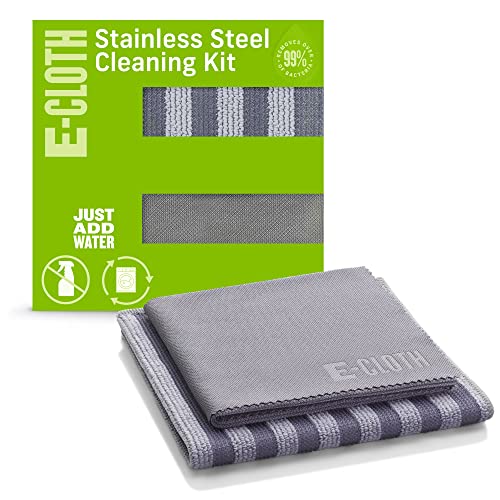
- Microfiber polishing cloth for stainless steel appliances
- Stainless steel appliance cleaning kit with spray and cloth
- Non-scratch stainless steel cleaning pad for refrigerator doors


Before You Start
Begin with a quick wipe to remove loose dust, then work in a well-lit area. Always test a small inconspicuous area before applying cleaner to the whole surface. Read product labels for safety and ventilation guidance. Time estimate: 10–20 minutes for a full refrigerator exterior. Caution: avoid harsh abrasives, ammonia-based formulas, and chlorine bleach on stainless steel, as these can damage the finish and cause corrosion over time.
Step-By-Step: How To Clean Stainless Steel Fridge Without Streaks
- Choose a spray bottle or cleaner that is labeled for stainless steel, and prepare two microfiber cloths—one damp and one dry.
- Wipe the fridge surface with the damp microfiber cloth, applying straight strokes to lift fingerprints and smudges. Use light pressure and follow the grain of the metal.
- Spray a small amount of stainless steel cleaner directly onto the damp cloth (not the surface) if you’re using a spray-and-cloth kit, and continue to wipe in the same grain direction.
- For recessed handles or intricate ridges, use a non-scratch stainless steel cleaning pad for refrigerator doors to lift residue, then wipe away with the damp cloth.
- Switch to the dry microfiber cloth and buff in long, even motions to remove any remaining moisture and to reveal a high-gloss finish.
- Check for streaks under bright lighting, and re-buff any areas that look cloudy or smeared.
- Address water spots promptly by spraying a little cleaner on a cloth and buffing until the spots disappear.
- Rotate through sections—top, sides, doors, handles—to ensure uniform appearance across the entire surface.
- Periodically switch to a dedicated polish cloth to maintain a streak-free shine over time.
- Finish with a quick, final wipe using a microfiber polishing cloth for a pristine look.
- Store cleaning supplies out of reach of children and pets, and wash cloths after each use to prevent residue buildup.
- Adopt a regular routine: a light wipe weekly, with a deeper clean monthly to maintain luster.
Troubleshooting
| Symptom | Likely Cause | Fix | Prevention |
|---|---|---|---|
| Streaks after cleaning | Residual cleaner or water pooling | Buff with a clean dry cloth; wipe again with minimal cleaner on cloth | Use damp cloth only, wipe in the grain, and dry immediately |
| Smudges reappearing quickly | Grease or fingerprints from frequent use | Clean with a spray and microfiber cloth, then buff | Clean high-use areas daily or every other day as needed |
| Cloudy surface after cleaning | Cleaner residue or hard water minerals | Rinse cloth with clean water and wipe again, then buff | Wipe with distilled water for final rinse if minerals are present |
| Scratches visible after cleaning | Abrasive pads or harsh chemicals | Switch to non-scratch pads and gentle cleaners | Avoid abrasive tools; stick to manufacturer-approved products |
Common Mistakes To Avoid
- Using abrasive pads or steel wool on stainless steel surfaces.
- Cleaning with highly acidic or alkaline cleaners that can dull the finish.
- Wiping against the grain, which can leave streaks and micro-scratches.
- Over-wetting the cloth, leading to pooling liquid and water spots.
Tips For Best Results
- Choose a dedicated stainless steel cleaner spray designed for appliances to minimize streaks.
- Keep a rhythm: wipe with the grain, then buff with a dry cloth for a mirror-like finish.
- Use a two-cloth method—one damp for cleaning, one dry for buffing—to maximize shine.
- Clean handles separately; they often accumulate more oils and fingerprints than flat panels.
- For heavy buildup, let the cleaner sit for a few seconds before wiping, then buff thoroughly.
Call A Professional
If the stainless steel shows deep pitting, corrosion, or persistent discoloration despite cleaning, consider consulting a professional appliance technician or a certified cleaner. Seek urgent help if you notice bubbling, flaking coating, or rust along seams, which could indicate underlying damage that requires specialized attention.
FAQ
Can I use household vinegar to clean stainless steel?
Vinegar can be effective in small amounts, but it may dull the finish over time. Use vinegar sparingly and test first on a hidden area.
Is it safe to spray cleaner directly on stainless steel?
Yes, but spraying onto the cloth rather than the surface helps prevent excess liquid seeping into seams.
How often should I clean stainless steel appliances?
Wipe light fingerprints weekly and perform a thorough clean monthly for best results.
Will steam cleaners damage stainless steel?
Steam can be used cautiously, but avoid prolonged exposure and ensure the surface is heat-safe and free of coatings that could be damaged.
Buying Guide
When choosing cleaning supplies for a stainless steel fridge, consider size, noise level (for any spray bottles or steam tools), energy efficiency of powered cleaners, and ease of use. Look for products labeled as stainless steel refrigerator cleaner spray microfiber cloth set or streak-free stainless steel cleaner for appliances for reliable results. Evaluate controls on spray bottles (fine mist vs. jet spray) and whether the kit includes a dedicated microfiber polishing cloth for stainless steel appliances.
Placement matters too: store cleaners away from heat sources and out of direct sunlight to preserve efficacy. Compare kits by the number of cloths included, the presence of non-scratch pads, and compatibility with sealed stainless steel surfaces. A compact kit with a spray and multiple cloths can simplify routine maintenance, especially for households with busy schedules.
Think about your typical spots of buildup—handles, edges, and doors—and choose a kit that provides targeted tools for those areas. For homes with sensitive skin or chemical sensitivities, select a gentler, non-abrasive formula and fragrance-free options.