Maintaining a stainless steel dishwasher exterior helps preserve its finish and keep your kitchen looking polished. This guide provides practical, step-by-step instructions using common household tools and the specified cleaning products to safely remove fingerprints, smudges, and water spots.
Quick Answer
Wipe with a stainless steel cleaner or a microfiber cloth dampened with a mild cleaner, then buff to a shine with a polishing cream or dry microfiber. For stubborn marks, use a non-scratch sponge and re-wipe with a protective wipe to maintain the finish.
What You’ll Need
- Stainless steel appliance cleaner spray 24 oz
- Microfiber cleaning cloth for stainless steel appliances 12×12
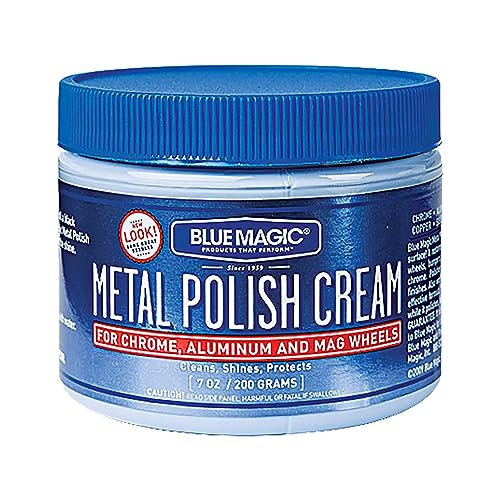
- Stainless steel polishing cream for appliances 3 oz
- Stainless steel appliance wipe pack
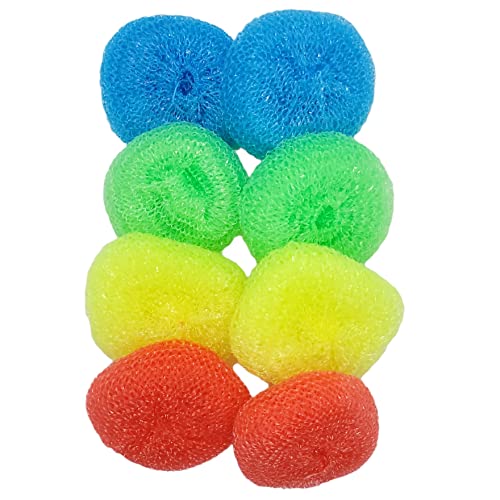
- Non-scratch nylon scrub sponge for stainless steel exteriors

Before You Start
Prepare the area by removing items around the dishwasher and shielding nearby surfaces. Use a soft, circular motion to avoid scratching. Perform a spot test on a discreet area to ensure compatibility with the finish. Plan for a total cleaning time of 15–30 minutes depending on smudges and water spots. Avoid abrasive cleaners, chlorine-based products, and steel wool.
Step-By-Step: How To Clean Stainless Steel Dishwasher Exterior
- Dampen a microfiber cloth with water or a small amount of stainless steel cleanser and wipe the exterior in the direction of the grain.
- Apply a light spray of stainless steel appliance cleaner spray to a fresh cloth and continue buffing to dissolve fingerprints and grime.
- For stubborn stains, lightly dampen a non-scratch nylon scrub sponge and Gently scrub in the direction of the grain.
- Buff the surface with a clean microfiber cloth to remove excess cleaner and restore luster.
- Apply a small amount of stainless steel polishing cream to a separate cloth and rub in a circular motion to enhance shine and protect the finish.
- Wipe away any residue with a dry microfiber cloth, ensuring a streak-free surface.
- Use stainless steel appliance wipe packs to quickly refresh areas that see frequent touching, then buff with a dry cloth.
- For ongoing maintenance, repeat this routine monthly or as needed to maintain a gloss and fingerprint resistance.
Troubleshooting
| Symptom | Likely Cause | Fix | Prevention |
|---|---|---|---|
| Streaks after cleaning | Residue left from cleaner | Buff with a dry microfiber cloth and reapply a small amount of cleaner, then wipe clean | Use minimal cleaner and wipe in the grain direction |
| Cloudy appearance | Hard water deposits | Use a cleaner designed for hard water or a vinegar-water mix in small amounts | Wipe dry after every cleaning |
| Scratches on surface | Abrasive tools or harsh cleaners | Switch to non-scratch sponges and gentle cleaners | Follow grain direction and use soft cloths exclusively |
| Persistent fingerprints | High touch areas | Reapply wiping products and buff firmly | Schedule regular maintenance with a polishing cream |
Common Mistakes
- Using abrasive pads or steel wool on stainless steel finishes
- Wiping against the grain, which creates scratches and streaks
- Over-wetting cloths, leaving excess moisture on control panels
- Relying on hotel-grade sprays that are not formulated for appliances
Tips For Best Results
- Always wipe in the direction of the grain to minimize micro-scratches
- Test cleaners on a hidden area before applying broadly
- Keep a dedicated microfiber cloth for stainless steel chores to avoid cross-contamination
- Lightly polish with a dedicated stainless steel cream after cleaning for longer-lasting shine
Call A Professional
Seek professional help if the exterior shows deep pitting, substantial discoloration, or if the finish is peeling. Contact a kitchen appliance technician if panels appear loose, or if cleaning products cause abnormal streaking or dulling that does not improve with standard methods.
FAQ
What is the best cleaner for stainless steel exterior surfaces?
A cleaner formulated specifically for stainless steel appliances paired with a microfiber cloth yields the best results.
Can I use vinegar on a stainless steel dishwasher exterior?
Yes, in small amounts and diluted with water, but test first and avoid prolonged exposure on coated surfaces.
How often should I clean the exterior?
Regular maintenance every 1–2 weeks helps maintain the finish and reduce buildup of smudges.
Will polishing cream prevent fingerprints?
Polishing cream adds a protective layer that helps reduce fingerprints and enhances shine with repeated use.
Buying Guide
When selecting products to clean and maintain a stainless steel dishwasher exterior, buyers should consider size of the appliance, the cleaning power of the formula, and the ease of application. Important factors include:
- Size and Form: Choose products that are easy to apply on vertical surfaces and around handles, such as sprays and wipes designed for appliances.
- Noise Level and Energy Efficiency: Not directly relevant to cleaning, but consider how often cleaning steps involve powered devices like soft scrubbers; low-noise options can minimize disturbance.
- Controls: Some cleaners are specially formulated to avoid residue on digital control panels; look for products labeled safe for use on appliances with touch controls.
- Placement: Store products in a reachable cabinet near the kitchen cleaning area for quick maintenance sessions.
- Safety: Check for childproof packaging and avoid harsh chemicals near food preparation zones.
- Brand Synergy: Using a compatible set of products (cleaner spray, wipe packs, polishing cream, and cloths) helps achieve consistent results.
Bottom line: select a coordinated kit that covers cleaning, polishing, and protection to maximize the appearance and longevity of stainless steel surfaces. If unsure, start with a basic kit and expand as needed.