Vinegar is a practical, natural cleaner for stainless steel surfaces when used correctly. This guide provides a clear, step-by-step method to restore shine, minimize streaks, and maintain the finish of kitchen appliances. Safe handling tips and product recommendations help ensure effective results without damaging protective coatings.
Quick Answer
Mix equal parts distilled white vinegar and water in a spray bottle, spray onto a microfiber cloth, and wipe the surface in the direction of the grain. For stubborn marks, apply a small amount of a vinegar-safe stainless steel cleaner polish and buff with a polishing cloth until streaks disappear.
What You’ll Need
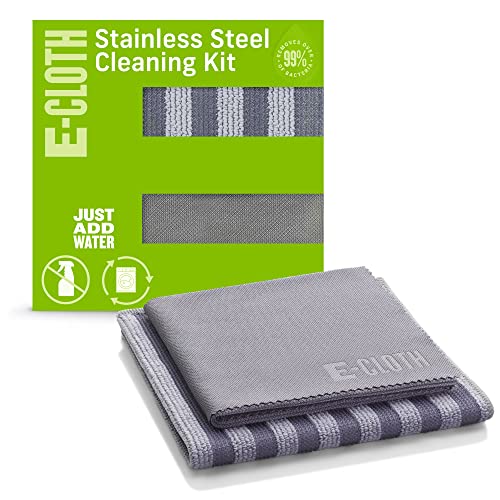
- stainless steel appliance microfiber cloths premium 12×12
- reusable spray bottle for vinegar cleaning stainless steel appliances 16 oz
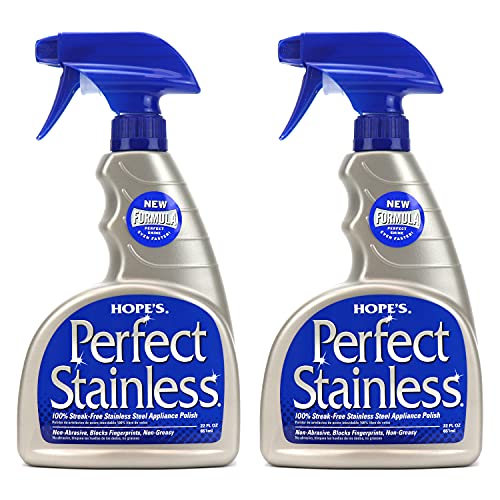
- stainless steel cleaner polish safe for vinegar use 22 oz
- soft bristle cleaning brush for stainless steel appliances
- stainless steel appliance polishing cloth kit

Before You Start
Prepare a small, well-ventilated area around the appliances. Remove loose dust with a dry microfiber cloth before applying any liquid. Do not spray vinegar directly onto controls, electronics, or matte finishes; apply to the cloth first. Allow a few minutes for any residue to loosen, then wipe. Depending on the size of the appliance, the process may take 15–30 minutes per surface.
Step-By-Step: How To Clean Stainless Steel Appliances With Vinegar
- Remove loose debris from the surface with a dry microfiber cloth.
- Fill the 16 oz reusable spray bottle with a 1:1 solution of distilled water and distilled white vinegar.
- Lightly mist a 12×12 microfiber cloth with the vinegar solution; avoid saturating the surface.
- Wipe the appliance in the direction of the grain, covering flat panels first.
- For stubborn spots, apply a tiny amount of stainless steel cleaner polish safe for vinegar use to a clean cloth and work in small circles.
- Buff with a second dry microfiber cloth to remove any remaining streaks.
- Use a soft bristle cleaning brush on edges and crevices to dislodge grime, then wipe away.
- For a final polish, use the stainless steel appliance polishing cloth kit, following the product’s instructions.
- Inspect for streaks; if visible, repeat the buffing step until the finish dries even.
- Store the spray bottle and cloths in a cool, dry place away from direct sunlight to preserve effectiveness.
Troubleshooting
| Symptom | Likely Cause | Fix | Prevention |
|---|---|---|---|
| Streaks after cleaning | Over-wetting or improper drying | Wipe with a dry cloth and buff evenly | Use a light spray; dry promptly |
| Cloudy appearance | Residue from cleaners or water minerals | Rinse cloth with plain water and re-wipe | Rinse with distilled water if needed |
| Discoloration near handles | Abrasive brushing | Switch to soft cloth; avoid harsh scrubbing | Choose non-abrasive cleaners |
| Persistent smudges after polishing | Residue buildup | Use less product, re-wipe, and buff | Regular, light cleaning schedule |
Common Mistakes
- Using vinegar on certain coatings or matte finishes that aren’t vinegar-safe
- Spraying vinegar directly on controls, then wiping
- Over-saturating cloths, causing liquid to seep into seams
- Neglecting to wipe in the direction of the grain
By avoiding these missteps, owners reduce the risk of dulling the finish or leaving streaks.
Tips For Best Results
- Use high-quality microfiber cloths to minimize lint and scratches
- Work in small sections to maintain a consistent finish
- Store vinegar cleaner away from heat sources to preserve potency
- Test on a small, inconspicuous area before full application
- Rotate cleaning tools to keep cloths clean and effective
Call A Professional
Seek professional help if surfaces show deep pitting, corrosion, or finish failure that cannot be remedied with standard cleaning methods. If hardware or control panels begin to peel or malfunction after cleaning, discontinue use and consult an appliance technician.
FAQ
Can vinegar damage stainless steel?
Vinegar is safe for most stainless steel surfaces when diluted and used properly, but avoid prolonged contact on sensitive finishes or coatings.
Which cloth should I use for polishing?
A dedicated stainless steel polishing cloth kit or microfiber cloths designed for stainless surfaces yield the best shine.
Is vinegar rank-safe for all stainless appliances?
Most appliances tolerate diluted vinegar; always spot-test first on a hidden area.
How often should I clean stainless steel appliances with vinegar?
Cleaning every 1–2 weeks helps maintain shine and prevent buildup, with lighter touch-ups as needed.
What about dishwasher-safe panels?
Follow manufacturer directions; some panels may require non-abrasive cleaners or specific polish products.
Buying Guide
When choosing products for cleaning stainless steel appliances with vinegar, consider size, performance, and ease of use. Look for a well-balanced kit that includes a 16 oz spray bottle, compatible microfiber cloths, and a safe polishing option. Noise level is not a concern for manual cleaning, but a comfortable grip on spray bottles helps with control. Energy efficiency is unrelated to cleaning products, yet choosing durable tools reduces repeated purchases. Controls and placement are straightforward since vinegar-based cleaning is non-electrical; keep sprays away from knobs and digital displays. Compare bundles that include a dedicated stainless steel cleaner polish safe for vinegar use to simplify maintenance routines. A compact microfiber kit can store neatly under the sink, while a larger kit may offer multiple cloth types for different finishes. Consider whether you prefer a reusable bottle versus disposable options for ongoing use, and ensure the included cloths are safe for high-gloss surfaces to prevent micro-scratches.