Quartz countertops bring durable beauty to kitchens and baths, but stains can still challenge their pristine look. This guide covers practical, everyday methods using pH-neutral and stone-safe cleaners to protect the resin and mineral blend. Readers will learn how to remove common stains without damaging the surface or voiding warranties.
With the right products and technique, most stains disappear quickly. The steps below emphasize safety, materials, and best practices to keep quartz countertops gleaming for years to come.
Quick Answer
Clean stains promptly using a pH-neutral quartz countertop cleaner spray or a stone-safe cleaner spray, then wipe with a microfiber cloth. For stubborn marks, apply a quartz countertop stain remover spray, let it sit briefly, and rinse. Avoid abrasives and harsh acids that can scratch or dull the surface.
What You’ll Need
- pH neutral quartz countertop cleaner spray 32 oz
- non-abrasive quartz countertop cleaner
- microfiber cleaning cloth for quartz countertops
- quartz countertop stain remover spray
- stone-safe cleaner spray for quartz countertops

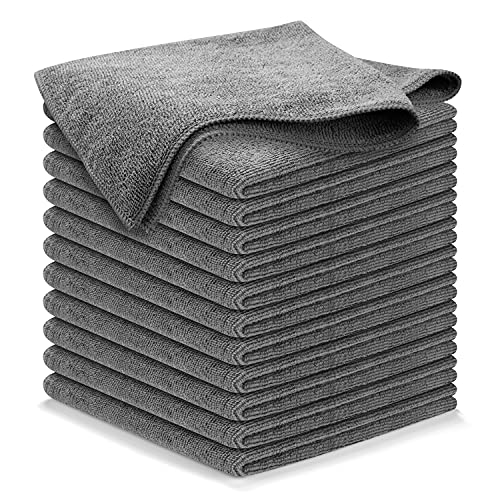

Before You Start
Before cleaning, remove loose debris with a soft cloth or paper towel. Wipe gently to avoid adding micro-scratches. Work in small sections and test any new product in an inconspicuous area for colorfastness. Avoid abrasive pads, scouring powders, bleach, ammonia, and highly acidic cleaners, as they can dull the finish or cause etching.
Estimated time for routine cleaning is 5–15 minutes; tougher stains may require repeat applications. Ensure good ventilation when using spray cleaners and keep contact with food surfaces to a minimum during treatment.
Step-By-Step: How To Clean Stained Quartz Surfaces
- Clear and wipe the surface to remove loose crumbs or spills with a microfiber cloth.
- Spray a pH neutral quartz countertop cleaner spray 32 oz directly onto the stained area.
- Let the cleaner sit for 1–2 minutes to loosen oils or residues, not longer than 5 minutes.
- Gently wipe in a circular motion with a microfiber cleaning cloth until the stain lightens.
- If staining persists, apply a quartz countertop stain remover spray to the spot and let it dwell for a brief period as directed by the label.
- Wipe again with a clean microfiber cloth, rinsing the cloth frequently to remove lifted material.
- Rinse the area with a small amount of water or a stone-safe cleaner spray for quartz countertops and wipe dry with a fresh cloth.
- For greasy residues, repeat steps 2–4 using a non-abrasive quartz countertop cleaner.
- Dry the surface completely and inspect for any remaining staining; repeat only as needed to prevent over-wetting seams or edges.
Troubleshooting
| Symptom | Likely Cause | Fix | Prevention |
|---|---|---|---|
| Cloudy or streaky surface | Residue from cleaners or water spots | Wipe with clean water and dry with lint-free cloth | Rinse thoroughly after cleaning |
| Stain returns after cleaning | Stain embedded in resin or substrate | Reapply quartz countertop stain remover spray and follow label | Address spills quickly to prevent set-in stains |
| Scratch-like marks appear after cleaning | Scrubbing with abrasive materials | Switch to microfiber cloths and avoid abrasive pads | Use soft tools and gentle motions |
| Fading sheen near a sink or seam | Over-wetting or chemical exposure | Dry surfaces thoroughly and stop using harsh cleaners | Maintain consistent cleaning routine with pH-neutral products |
Common Mistakes To Avoid
- Using acidic cleaners (like vinegar or lemon) on quartz surfaces
- Scrubbing with scouring pads or steel wool
- Allowing standing water to linger on seams and edges
- Ignoring test patches on unseen areas before full application
Tips For Best Results
- Keep a dedicated microfiber cloth for quartz surfaces to prevent cross-contamination with other materials.
- Always read and follow the label directions on each cleaner, including dwell times and rinsing requirements.
- Clean spills promptly—oil-based stains are easier to remove when fresh.
- Use a stone-safe cleaner spray for quartz countertops for routine maintenance to preserve shine.
Call A Professional
Contact a professional if stains are deep-set, if the countertop shows signs of staining extending into the substrate, or if custom repair is required (such as re-sealing or resurfacing). Seek help when you notice dulling, discoloration that does not respond to standard cleaners, or if the surface appears etched after cleaning.
FAQ
What is the best cleaner for quartz countertops?
The best cleaners are pH neutral quartz countertop cleaner spray 32 oz or other stone-safe cleaner spray for quartz countertops that are specifically formulated for quartz surfaces.
Can I use vinegar on quartz countertops?
No. Vinegar and other acidic cleaners can etch or dull the surface over time.
How do I remove tough stains from quartz?
Apply a quartz countertop stain remover spray, follow the dwell time, then wipe with a microfiber cloth. Repeat if necessary.
Is it safe to use a microfiber cloth on quartz?
Yes. A soft microfiber cleaning cloth is ideal for lifting residues without scratching the surface.
How often should I clean quartz countertops?
Routine cleaning with a pH-neutral cleaner once daily or after heavy use helps maintain shine and stain resistance.
What should I do if staining persists after cleaning?
Consider repeating the stain removal process or consult a professional if stains are persistent or deeply set.
Can I use a spray cleaner at the sink edge?
Yes, but avoid prolonged exposure to the seam area; rinse and dry thoroughly afterward.
Buying Guide
When selecting cleaning products for quartz countertops, consider size, composition, and compatibility with your surface. A good kit typically includes a pH-neutral spray, a stone-safe option, a quartz-specific stain remover, and a trusted microfiber cloth.
Key buying factors include:
- Size and coverage: 32 oz bottles are common and convenient for regular use; larger sizes may offer cost efficiency for busy kitchens.
- Noise level and spray design: Choose a spray bottle with smooth, consistent dispensing to avoid waste and mess.
- Energy efficiency and eco-friendliness: Look for low-VOC formulations and recyclable packaging.
- Controls and readability: Clear label instructions, dwell times, and safety warnings simplify use for households.
- Placement and storage: Store cleaners in a cool, dry area away from direct sunlight; keep them out of reach of children and pets.
- Brand compatibility: Use products designed for quartz and stone surfaces to avoid dulling or damage.
- Stain-removal efficacy: A dedicated quartz stain remover is helpful for set-in marks, but always test first in an inconspicuous spot.
Consider building a cleaning routine around a primary pH-neutral cleaner with a supplementary stain remover for deeper stains. This approach minimizes risk while keeping quartz countertops looking their best.