Stained glass adds color and character to homes, but its delicate surfaces require careful cleaning. This guide covers practical, step-by-step methods to refresh stained glass while protecting the leading, paint, and crevices. With the right supplies and techniques, homeowners can maintain vibrant panes without risk of damage.
Quick Answer
Use a gentle, ammonia-free glass cleaner or a distilled water mist for the initial wipe, followed by a soft-bristle brush for stubborn grime. Finish with a window squeegee with microfiber sleeve to remove streaks. Avoid harsh chemicals and abrasive cloths to protect the glass and lead came.
What You’ll Need
- Ammonia-free glass cleaner spray bottle stained glass for safe surface cleaning
- Microfiber cleaning cloth set for stained glass to lift dirt without scratching
- Soft-bristle nylon brush stained glass cleaning for crevices and textures
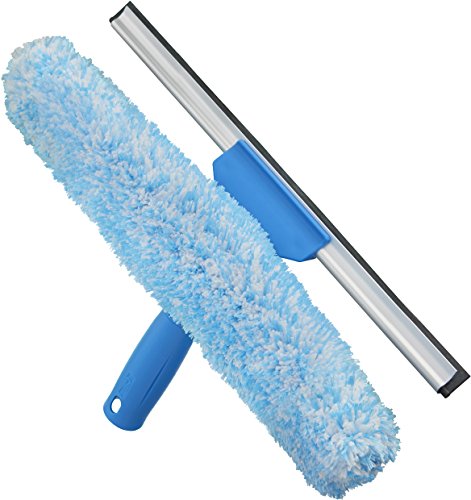
- Window squeegee with microfiber sleeve for streak-free drying
- Distilled water spray bottle for glass cleaning to prevent mineral spots


Before You Start
Inspect the stained glass panes for loose came, cracks, or loose lead. Remove nearby pets or children from the area and cover painted or gilded details to avoid chemical exposure. Work in a well-ventilated space. Plan cleaning in sections to avoid lengthy exposure of delicate glazes. Never use bleach, abrasive pads, or ammonia-based cleaners on stained glass, as these can damage the finish and edges.
Time estimate: 30–90 minutes depending on pane size and dirt buildup. Wear soft gloves to protect the glass surface and your hands during cleaning.
Step-By-Step: How To Clean Stained Glass
- Set up a clean workstation and lay a soft towel beneath the window to catch drips.
- Dust the glass gently with a microfiber cloth to remove loose particles.
- Spray a light mist of distilled water onto the glass to prevent mineral deposits.
- Apply ammonia-free glass cleaner spray bottle stained glass to a corner or a cloth, not directly on the entire pane.
- Wipe in long, even strokes, following the grain of the glass if present and avoiding excessive pressure near lead came.
- For stubborn spots, use a soft-bristle nylon brush stained glass cleaning with a gentle circular motion.
- Rinse the cloth and go over the glass again to remove any cleaner residue.
- Switch to a dry microfiber cloth and buff the surface to a streak-free shine.
- Finish with a light mist of distilled water and wipe with a window squeegee with microfiber sleeve to remove water film.
- Inspect for streaks; repeat only on areas that still appear hazy, avoiding excessive scrubbing.
- Allow the pane to air-dry completely before removing protective coverings.
Troubleshooting
| Symptom | Likely Cause | Fix | Prevention |
|---|---|---|---|
| Streaks or cloudy spots | Leftover cleaner or minerals | Re-wipe with distilled water and microfiber | Use distilled water only; avoid hard water |
| Scratches visible after cleaning | Scrubbing with abrasive cloth | Switch to soft microfiber and gentle technique | Use soft brushes and avoid heavy pressure |
| Paint or leading area shows wear | Cleaner contact near fragile edges | Limit cleaner near borders; wipe away promptly | Inspect edges before cleaning; plan methodical passes |
| Cheesecloth or lint particles remaining | Rag lint transfer | Use only high-quality microfiber cloths | Pre-wash towels and avoid terry cloths |
Common Mistakes
- Using ammonia-based cleaners on stained glass
- Applying cleaners directly to the art glass rather than to a cloth
- Over-wetting areas near fragile frames or mercury tapes
- Ignoring drainage paths or lead came during cleaning
- Rubbing too hard on textured or painted sections
Tips For Best Results
- Always test a small inconspicuous area first to gauge reaction.
- Use distilled water spray bottle for glass cleaning to minimize mineral deposits.
- Keep a dedicated brush and cloth for stained glass to avoid cross-contamination with other surfaces.
- Dry with a window squeegee with microfiber sleeve to reduce streaks.
- Work from top to bottom to manage drips and prevent recontamination.
Call A Professional
Some stained glass requires professional care. Stop and contact a pro if there is:
- Visible cracks, loose came, or missing lead
- Delicate, painted, or gilded details showing significant wear
- Uncertainty about the correct cleaning agents for specific finishes
FAQ
Can I use regular window cleaner on stained glass?
Regular window cleaners may contain ammonia or additives that can damage stained glass over time. Use ammonia-free products or distilled water with a microfiber cloth.
Is it safe to clean stained glass on a windy day?
Clean in a controlled, indoor environment when possible to avoid dust and debris from settling on freshly cleaned surfaces.
How often should stained glass be cleaned?
Frequency depends on location and exposure, but 1–2 times per year is common; more frequent cleaning may be needed in dusty or humid environments.
What tools help protect delicate glass during cleaning?
Soft-bristle nylon brushes, microfiber cloths, and squeegees with microfiber sleeves are ideal for safe, streak-free results.
Should I seal or protect stained glass during cleaning?
Sealing is typically not needed for interior stained glass cleaning; avoid harsh sealants that may react with pigments or lead came.
Can I clean stained glass frames or surrounding wood?
Use appropriate cleaners for the frame material, keeping cleaners away from painted or gilded glass sections.
What if I notice moisture behind the glass?
Stop cleaning and consult a professional to assess potential moisture intrusion or structural issues.
Is distilled water necessary for every cleaning?
Distilled water minimizes mineral deposits; use it when possible, especially in hard-water areas.
Buying Guide
When choosing tools for cleaning stained glass, consider size, material compatibility, and ergonomic design. A balanced kit helps maintain pristine panes without risking damage.
- <bSize and fit: Ensure brushes and squeegees can reach typical frame depths without bending or Kinking.
- <bNoise and comfort: Look for soft, quiet brushes and comfortable handles for extended sessions.
- <bWater quality: A distilled water spray bottle reduces mineral streaks, especially in hard water regions.
- <bControl and versatility: A spray bottle that works with ammonia-free cleaners offers flexible cleaning options.
- <bPlacement considerations: Plan cleaning from bright, stable light sources and avoid high, hard-to-reach windows without proper equipment.
In practice, a compact kit with an ammonia-free cleaner, microfiber cloths, a soft-bristle brush, a distilled water spray bottle, and a window squeegee provides a solid foundation. Users should balance the need for gentle cleaning with the pane’s complexity and framing. Would you like recommended product pairings for your specific stained glass style and frame material?