Stained concrete adds character to garages, driveways, and living spaces, but unsightly spots can detract from the look. This guide explains practical steps to remove common stains using consumer-friendly cleaners and proven methods. By following a careful, methodical approach, homeowners can restore brightness and extend the life of concrete surfaces without damaging the material.
The process covers a range of stains—from oil and grease to mineral and coffee marks—using industry-tested cleaners that are safe for most concrete surfaces when used as directed. Readers should tailor the method to the stain type and surface finish to achieve the best results.
Quick Answer
Identify the stain (oil, organic, or mineral) and select a corresponding cleaner. For greasy spots, apply a degreaser or enzyme cleaner, scrub, and rinse. For mineral or tough stains, use a stain remover designed for concrete floors or countertops. Always test a small, inconspicuous area first and rinse thoroughly.
What You’ll Need
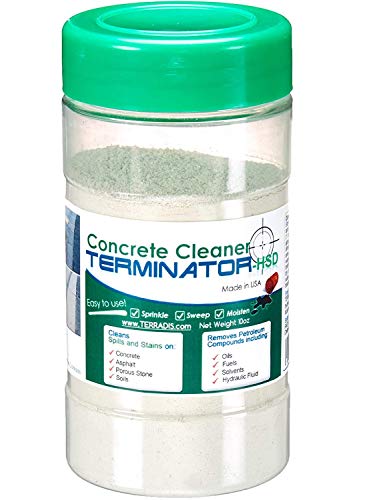
- Concrete stain remover for floors garage
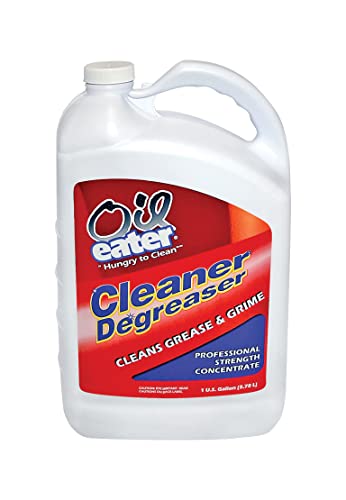
- Oil stain concrete cleaner degreaser
- Neutral pH concrete cleaner for stains
- Enzyme cleaner for concrete stains on driveway
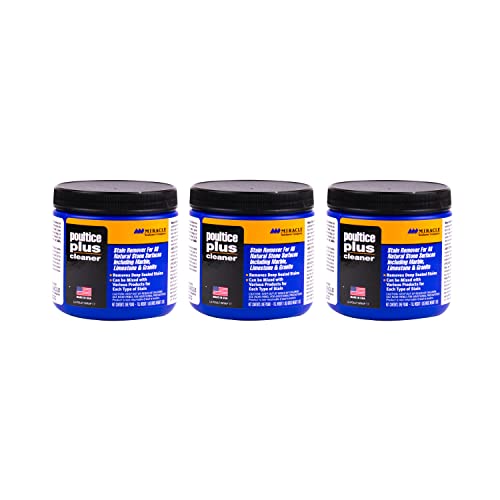
- Stain remover for concrete countertops and floors
Before You Start
Prepare a clean, protected space and gather all supplies before beginning. Work on a dry surface when possible, and avoid mixing cleaning agents unless the manufacturer specifies compatibility. Wear gloves, eye protection, and ventilation for any chemical cleaners. Identify the stain type to guide product choice, and perform a spot test on an inconspicuous area to gauge colorfastness and impact on finish. Time estimates vary; plan for 1–4 hours depending on stain severity and product dwell times.
Step-By-Step: How To Clean Stained Concrete Surfaces
- Remove loose debris from the area with a stiff brush or vacuum to expose the stain fully.
- Moisten the surface with water to prevent dust and to help activate cleaners where needed.
- Apply the appropriate cleaner for the stain type: use a degreaser for oil-based stains, a neutral pH cleaner for general soils, or an enzyme cleaner for organic stains on driveways.
- Allow the cleaner to dwell according to the product label, usually 5–15 minutes for emulsification and penetration.
- Scrub the stained area with a stiff-bristled brush, focusing on embedded fibers and pores where stains cling.
- Rinse thoroughly with clean water. For stubborn stains, repeat the application and scrubbing steps once more.
- For mineral or stubborn marks, apply a stain remover made specifically for concrete countertops and floors, following its dwell time and rinsing instructions.
- Dry the surface completely and inspect. If any stain remains, repeat the treatment or switch to a different stain-targeted product compatible with the surface finish.
- If staining recurs, consider sealing the area with a suitable concrete sealer to prevent future penetration.
- Document the products used and results for future reference, especially on large surfaces or high-traffic areas.
- Address any lingering odors or residues with a final rinse and, if needed, a light neutral-pH cleaner to restore the original surface feel.
- Dispose of rinse water and spent cleaners according to local guidelines to protect the environment.
Troubleshooting
| Symptom | Likely Cause | Fix | Prevention |
|---|---|---|---|
| Stain remains after one cleaning | Deep or layered stain | Repeat treatment with appropriate cleaner; consider enzyme cleaner for organic stains | Address spills promptly; use protective mats in high-risk areas |
| Discoloration after cleaning | Over-alkaline cleaner or improper rinse | Rinse with clean water thoroughly; test a small area first | Follow label instructions; avoid harsh cleaners on sensitive finishes |
| Surface feels slick after cleaning | Residual cleaner or moisture | Rinse thoroughly and allow to dry; apply a neutral cleaner for a final rinse | Use minimal cleaner and complete removal during rinsing |
| Odor persists | Organic stain or moisture trapped in pores | Apply enzyme cleaner or mineral oil remover; ventilate area | Seal concrete after cleaning to limit odor absorption |
Common Mistakes
- Using acidic or highly alkaline cleaners on polished or sealed surfaces
- Skipping a spot test before full-area application
- Over-wetting porous concrete, which can spread stains or cause mold
- Neglecting to rinse thoroughly, leaving behind residues that attract new dirt
Tips For Best Results
- Test cleaners on a hidden area to confirm colorfastness and finish compatibility.
- Work from outside in to keep clean water from spreading fresh stains inward.
- For oil spots, pre-treat with a degreaser before detergent-based cleaning.
- Consider a penetrating sealer after cleaning to reduce future staining and simplify maintenance.
- Document products used, dwell times, and outcomes for future reference.
Call A Professional
Seek professional help if stains cover a large area, the concrete is newly installed and not yet sealed, or if the surface shows deep pits or extensive damage. Stop and consult a pro if chemical compatibility is uncertain or if there is persistent efflorescence, cracks, or structural concerns.
FAQ
What type of cleaner is best for oil stains on concrete?
A degreaser or oil stain cleaner is typically most effective when used with a scrubbing step and thorough rinse.
Can I use a kitchen cleaner on concrete floors?
Kitchen cleaners are not always suitable; choose products labeled for concrete and stain removal to avoid damage.
Is enzyme cleaner safe for outdoor driveways?
Yes, enzyme cleaners can target organic stains on driveways, but always follow the label for outdoor use and dilution requirements.
Do I need to seal concrete after cleaning?
Sealing helps repel future stains and simplifies maintenance; apply after the surface is fully clean and dry.
How long should I wait after cleaning before sealing?
Wait until the surface is completely dry, typically 24–48 hours depending on weather and ventilation.
Will cleaning affect colored or decorative concrete?
Yes, improper cleaners can fade color; use neutral pH products and perform small-area tests first.
Buying Guide
When selecting products to clean stained concrete, consider these factors to optimize results and value:
- Size and stain severity: Larger areas may require multiple treatments or professional services.
- Noise level: Most cleaning steps are quiet, but equipment like scrub brushes or floor machines may generate noise; plan accordingly.
- Energy efficiency: Manual scrubbing consumes human effort; if using powered scrubbers, choose energy-efficient models.
- Controls and safety: Look for clearly labeled instructions, safe handling information, and low-VOC formulations for indoor use.
- Surface compatibility: Match cleaners to surface type (garage floors, driveways, countertops) and the finish (sealed, polished, or unsealed).
- Placement and airflow: Adequate ventilation is important for chemical cleaners; outdoors or well-ventilated areas are ideal.
- Price and availability: Compare price per application, not just initial cost, and check for compatible related products.
Balancing cleaning power with surface safety is key. For many homeowners, a staged approach—starting with a neutral cleaner and escalating to a stain remover or enzyme cleaner as needed—offers a practical path to restoring stained concrete without damaging the substrate.