Spray polyurethane foam (SPF) is a common material for sealing and insulation, but it can be stubborn to remove from skin. Proper cleanup protects the skin from irritation and helps prevent lingering residue. This guide provides practical, US-market friendly steps and product options to safely remove spray foam from hands.
The focus is on proven methods using dedicated hand cleaners, protective gloves, and cleanup tools to minimize exposure and maximize results. Readers will find a clear sequence from prep to aftercare, including cautions and when to seek professional help.
Quick Answer
Best first step: Use a polyurethane spray foam hand cleaner gel with pumice to loosen and scrub the foam off. Follow with a industrial hand cleaner acetone based spray foam removal for stubborn spots, then wash with soap and water. If foam remains, try foam residue skin scrub brush hand cleanup and solvent wipes for spray foam skin cleanup as a last resort.
What You’ll Need
- Polyurethane spray foam hand cleaner gel with pumice
- Industrial hand cleaner acetone based spray foam removal
- Nitrile gloves chemical resistant heavy duty disposable
- Foam residue skin scrub brush hand cleanup
- Solvent wipes for spray foam skin cleanup


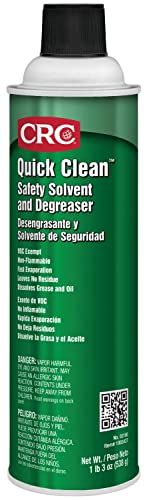
Before You Start
Prepare a clean work area, away from eyes and sensitive skin. Remove excess foam from the skin gently to avoid embedding it deeper. Test a small skin patch with any solvent-based product before full use to check for irritation. Limit exposure time and work under good lighting to monitor progress. Have a water source handy for rinsing, and consider applying a barrier cream after cleanup to restore skin moisture.
Estimated cleanup time varies with foam amount and product choice, typically 5–20 minutes for standard applications. If the foam has fully cured, it may require longer treatment or professional removal.
Step-By-Step: How To Clean Spray Foam Off Hands
- Put on nitrile gloves chemical resistant heavy duty disposable to protect hands before handling any cleaners.
- Wipe away loose foam with a clean cloth to reduce surface material before applying cleaners.
- Apply a liberal amount of polyurethane spray foam hand cleaner gel with pumice and rub in circular motions to lift foam from skin.
- Rinse hands under warm water, then reapply cleaner if residue persists, focusing on areas around nails and cuticles.
- For stubborn spots, use industrial hand cleaner acetone based spray foam removal sparingly, following product directions and avoiding prolonged exposure.
- Brush the skin with foam residue skin scrub brush hand cleanup to mechanically remove embedded material, then rinse again.
- Wipe with solvent wipes for spray foam skin cleanup if any residue remains, ensuring hands are thoroughly dried afterward.
- Wash with mild soap and water, then apply a fragrance-free lotion to restore moisture and prevent dryness.
- Inspect nails and between fingers; repeat cleaning steps if any residue is visible, especially under nails.
- Dispose of used wipes and gloves according to local hazardous waste guidelines and wash hands after disposal.
- Store cleaners and tools in a cool, dry place out of reach of children and pets.
- If irritation occurs or a large amount of foam remains, discontinue use and seek medical advice.
Troubleshooting
| Symptom | Likely Cause | Fix | Prevention |
|---|---|---|---|
| Stubborn residue on fingertips | Foam deeply cured or set under skin oils | Repeat cleaner application and use scrub brush; consider acetone-based cleaner only if safe for skin | Work while foam is relatively fresh; wear gloves during application of spray foam |
| Skin redness or irritation | Overexposure to solvents | Rinse with water, stop use, consult medical advice if symptoms persist | Limit contact time; test products on small skin areas first |
| Foam under nails | Foam trapped during application | Careful brushing with scrub brush; use solvent wipes if needed | Clean hands frequently during foam work; use barrier cream |
| Dry, rough skin after cleanup | Repeated solvent exposure | Moisturize with a hypoallergenic lotion; consider reducing solvent contact | Alternate cleaner methods to reduce solvent reliance |
Common Mistakes
- Relying on water alone when foam is still set
- Using harsh solvents without skin testing first
- Skipping protective gloves or reusing disposable gloves
- Over-scrubbing, which can irritate or abrade skin
- Not rinsing thoroughly after cleaner use
Tips For Best Results
- Act quickly after exposure; fresh foam is easier to remove than fully cured foam.
- Use a sequence: pumice-enriched cleaner, then solvent-based cleaner only if needed.
- Keep multitool cleanup items within reach to minimize spread to other surfaces.
- Test all cleaners on a small skin area to ensure compatibility.
- Apply a gentle barrier/balneum after cleanup to restore moisture and protect skin.
Call A Professional
Call a professional if foam has fully cured on large skin areas, if there is severe skin irritation, or if symptoms persist after home cleanup. Also seek help if foam has bonded under rings or jewelry, or if there is accidental contact with eyes or mucous membranes.
FAQ
Can I use acetone on skin to remove spray foam?
Acetone-based cleaners can help, but they may be harsh on skin. Use sparingly, follow safety guidelines, and wash thoroughly after use.
Is there a risk to long-term skin health with spray foam cleanup?
Repeated exposure to solvents and cleaners can dry skin; moisturize after cleanup and limit exposure time when possible.
What should I do if the foam is still sticky after cleaning?
rinse and re-clean with the recommended products, focusing on affected areas; avoid over-wetting the skin with solvent.
Are disposable nitrile gloves enough for cleanup?
Nitrile gloves provide chemical resistance, but use them as part of a complete cleanup routine with cleaners and scrubs.
Buying Guide
When selecting products for spray foam cleanup, consider size, strength, and skin compatibility. A typical setup includes a polyurethane spray foam hand cleaner gel with pumice, an optional industrial hand cleaner acetone based spray foam removal for tough spots, foam residue skin scrub brush hand cleanup for agitation, and solvent wipes for spray foam skin cleanup for last-resort residue. Choose nitrile gloves chemical resistant heavy duty disposable as primary protection during cleanup.
Key buying factors include:
- Size and packaging: Look for family-size or travel-friendly bottles to suit job frequency.
- Effectiveness: Formulations with pumice and solvent components strike a balance between cleaning power and skin safety.
- Skin compatibility: Hypoallergenic or fragrance-free options reduce irritation risk.
- Controls and usage: Clear instructions, drying times, and safety warnings matter for proper use.
- Placement: Store cleaners in a ventilated area away from heat and children; keep wipes and brushes accessible near the cleanup station.
- Noise and energy considerations: Not applicable to cleaning products, but consider a quiet work environment if noise from brushes is a concern during cleanup.
For best results, match products to the foam amount and skin sensitivity. Always read label directions, perform a patch test, and follow up with moisturizer to maintain skin health during ongoing projects.