Soft toys bring comfort and color to homes, but regular cleaning is essential to remove dirt, dust, and germs. This guide explains a practical, kid-friendly approach to cleaning plush fabrics without damaging stuffing or details.
Quick Answer
To clean soft toys, surface clean with a damp cloth for light dirt, or use a washable plush toy washing bag for machine washing. Apply gentle detergent for stuffed animals, air dry completely, and treat stains with a stain remover for plush toys before laundering.
What You’ll Need
- washable plush toy washing bag
- gentle detergent for stuffed animals
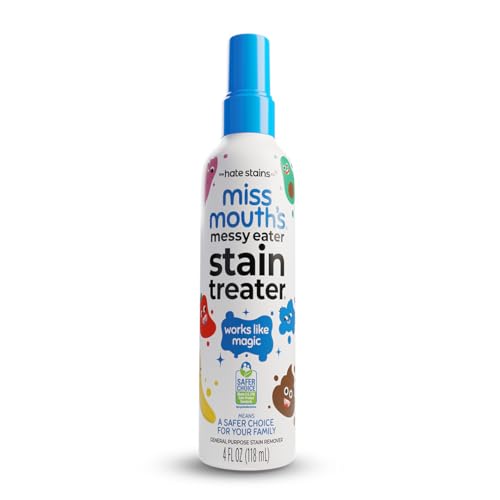
- stain remover for plush toys
- brush and cleaner kit for plush toys
- air drying rack for stuffed animals


Before You Start
Prepare a clean, well-ventilated space and gather tools. Check labels on toys for care instructions and test a small hidden area with the detergent first. Never bleach plush fabrics unless the label allows it, and avoid high heat that can warp stuffing or color.
Time estimate: 30–60 minutes for hand-clean routine; 1–2 hours if machine washing and air drying. For delicate or antique toys, plan for a gentler approach and professional cleaning if needed.
Step-By-Step: How To Clean Soft Toys
- Inspect the toy for loose parts, seams, or stuffing leaks. Secure or repair before cleaning to prevent further damage.
- Brush off loose dirt with a brush and cleaner kit for plush toys to avoid pushing grime deeper during washing.
- For light cleaning, wipe with a damp cloth and a small amount of gentle detergent for stuffed animals, focusing on stained or soiled areas.
- If machine washing is appropriate, place the toy in a washable plush toy washing bag to protect seams and embellishments.
- Run a gentle cycle with cold water. Add gentle detergent for stuffed animals according to label directions.
- When the cycle ends, remove the toy promptly to reduce wrinkling, and gently press out excess water without twisting.
- Use an air drying rack for stuffed animals to spread the toy flat or hang it in a well-ventilated area away from direct sunlight.
- Check for any remaining stains. Apply a stain remover for plush toys to targeted spots and rinse or launder again if needed.
- Reshape the toy while damp to maintain its original form, then continue air drying until completely dry.
- Fluff the fabric with hands or a soft brush once dry to restore softness and loft.
- Inspect one final time for odors or dampness before returning the toy to a child’s room or display area.
Troubleshooting
| Symptom | Likely Cause | Fix | Prevention |
|---|---|---|---|
| Wild, persistent odor | Moisture trapped inside | Rewash using extra rinse; ensure complete drying | Dry thoroughly; use breathable fabrics |
| Color fading after wash | Harsh detergent or heat | Switch to gentle detergent; wash cold | Test colorfastness on hidden area |
| Stiff texture after drying | Over-wrangling or insufficient fluffing | Gently fluff with hands or brush | Avoid squeezing; air dry fully |
| Stitches coming loose | Overhandling or aggressive agitation | Repair promptly; hand wash delicate areas | Use a protective wash bag |
Common Mistakes
- Using hot water on delicate fabrics, which can shrink fibers
- Overloading the washing bag, leading to uneven cleaning
- Skipping a full dry, which encourages mold or mildew growth
- Forgetting to test stain removers on hidden areas first
By avoiding these missteps, soft toys stay bright and fluffy for longer.
Tips For Best Results
- For stubborn stains, treat before washing and let the stain remover sit for a few minutes, then rinse.
- Choose a fragrance-free or hypoallergenic detergent if the toy is used by children with sensitive skin.
- Air drying is gentler than machine heat; position toys so air circulates on all sides.
- Regular upkeep, like weekly light brushing, reduces deep cleaning needs over time.
Call A Professional
Seek professional cleaning if a toy is valuable, antique, has delicate decorations, or shows physician-verified allergies concerns for kids. Stop cleaning if seams begin to unravel, stuffing leaks, or color separation becomes evident—these indicate structural damage that requires expert repair.
FAQ
Can I wash soft toys in a standard washing machine?
Yes, but use a washable plush toy washing bag and a gentle cycle with cold water to protect fabric and stitching.
What detergent should I use for stuffed animals?
Choose a gentle detergent for stuffed animals formulated for delicate fabrics and sensitive skin.
How do I dry plush toys without damaging them?
Use an air drying rack for stuffed animals and avoid direct sunlight to prevent fading.
What about toys with electronic components?
Do not submerge; spot-clean surfaces and consult manufacturer care instructions for electronic-safe cleaning methods.
How do I remove tough stains effectively?
Apply a stain remover for plush toys to the spot, follow product guidelines, and rinse before washing again if needed.
Buying Guide
When choosing gear for cleaning soft toys, consider size and compatibility with washing machines, safety of detergents, and ease of use for caregivers. A dedicated washable plush toy washing bag helps protect toys during machine cleaning, while a brush and cleaner kit for plush toys supports gentle spot cleaning. An air drying rack for stuffed animals makes drying efficient and flame-free. Look for fragrance-free detergents and stain removers designed for plush fabrics to minimize irritation. Finally, ensure storage and cleaning tools are compact enough to fit in a typical laundry area while remaining effective for frequent cleanings. Is your kit ready for the next wash day?