Slime is a fun craft, but it can leave stubborn residue on fabrics, carpets, and surfaces. This guide provides practical, step-by-step methods to remove slime with common household tools and a few specialty products. The strategies work for kids’ crafts, DIY slime experiments, and leftover messes in everyday spaces.
Readers will find a quick overview, a curated shopping list of proven products, safety tips, and troubleshooting advice to keep homes clean and stain-free while preserving fabrics and surfaces.
Quick Answer
Treat slime quickly by scooping up excess with a plastic scraper, then blot and rinse. Apply an enzyme-based slime stain remover spray, work with a soft-bristle brush or microfiber cloth, and finish with a fabric-safe cleaner. For fabric or carpet, a silicone spatula or plastic scraper helps lift the residue before washing.
What You’ll Need
- Enzyme-based slime stain remover spray 16 oz
- Microfiber cleaning cloth slime mess removal pack
- Soft-bristle scrub brush for slime residue
- Silicone spatula for slime cleanup
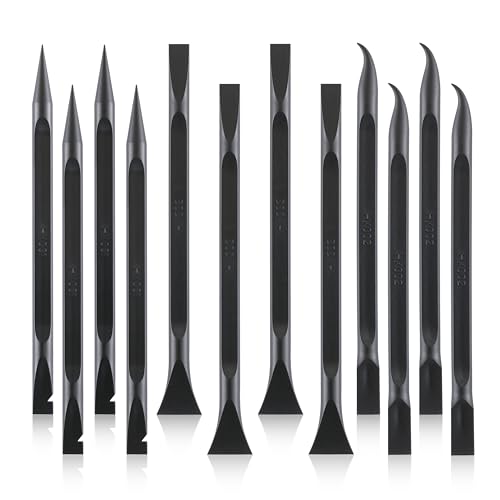
- Plastic scraper tool for slime on fabric carpet


Before You Start
Clear nearby items and test cleaners on an inconspicuous area to avoid damage. Work on a non-porous surface when possible, and wear gloves if you have sensitive skin. Time estimates vary: light smears may take 10–15 minutes, while dried slime on fabric could require multiple steps over 30–60 minutes. Never apply heat directly to slime, as it can set stains.
Step-By-Step: How To Clean Slime Effectively
- Gently lift excess slime with a plastic scraper or silicone spatula, working from the outer edges toward the center to avoid pushing slime deeper into fibers.
- Blot the area with a dry microfiber cloth to remove as much moisture as possible without rubbing, which can spread the stain.
- Spray the affected area with an enzyme-based slime stain remover. Let it sit for 5–10 minutes to break down organic components.
- Use a soft-bristle scrub brush to work the cleaner gently into the fabric or carpet fibers. Use small circular motions and avoid aggressive scrubbing on delicate textiles.
- Rinse or blot with clean water to remove cleaner and slime residues. For fabrics, blot and repeat until the solution no longer lifts color.
- For stubborn spots, reapply the enzyme remover and rework with the brush or microfiber cloth. Repeat as needed but avoid soaking the material.
- Air-dry the area and check for any remaining stain. If residue persists, repeat the cleaning steps or move to a fabric-safe laundry pre-treatment.
- Wash the fabric or carpet area per care instructions after the cleaning steps, using the appropriate cycle and water temperature.
Troubleshooting
| Symptom | Likely Cause | Fix | Prevention |
|---|---|---|---|
| Stain remains after first wash | Slime partially penetrated fibers | Repeat enzyme treatment and gentle brushing | Act quickly; blot, don’t rub |
| Color transfer to fabric | Residual dye or pigment | Use color-safe stain remover; test on hidden area | Rinse thoroughly; avoid heat |
| Sticky residue after cleaning | Incomplete removal of slime | Revisit steps with scrub brush and cleaner | Pre-treat before washing |
| Cleaner causes fabric whitening | Bleach-like cleaners used on color fabrics | Switch to approved fabric-safe cleaner | Always check care labels |
Common Mistakes
- Rubbing the slime vigorously into fabric, which embeds the material deeper.
- Using hot water or heat, which can set the stain.
- Skipping a pre-test on delicate textiles or colors.
- Mixing cleaners that may react poorly with each other.
Tips For Best Results
- Work from the outside in to prevent spreading slime.
- Keep a damp microfiber cloth ready to blot and lift residues gradually.
- Use enzyme-based cleaners for organic-based slime when available.
- When cleaning carpets, test the cleaner in a hidden area first to avoid fiber damage.
- For delicate fabrics, avoid aggressive scrubbing and consider spot cleaning only.
Call A Professional
Consider contacting a professional cleaner if slime has deeply penetrated upholstery leather, or if the stain covers a large area and fails to lift after multiple attempts. Seek help for persistent odors or if you notice color fading or fabric distortion after cleaning. In cases of unknown fabric composition, a professional can recommend safe products and methods.
FAQ
What is the best cleaner for slime on fabric?
Enzyme-based slime stain remover sprays are highly effective for organic components and often work well on fabrics when used as directed.
Can I clean slime from carpet at home?
Yes, using a plastic scraper, soft-bristle brush, and enzyme cleaner can lift slime from carpet fibers with careful blotting and rinsing.
Should I heat the slime to remove it?
No. Heat can set the stain and make removal harder.
How long does it take to clean slime from clothing?
Most cleanings take 20–60 minutes, depending on the fabric and stain severity, plus the following wash cycle.
Do I need to wash after using a stain remover?
Yes, follow with a wash cycle suitable for the fabric to remove cleaner residues and any remaining slime.
Is a microfiber cloth enough to remove slime?
A microfiber cloth helps blot and lift moisture but is most effective when paired with a cleaner and a gentle brush.
Buying Guide
Choosing the right cleaning approach for slime involves considering area, fabric type, and the surface being treated. Key buying factors include size, noise level, energy efficiency, controls, and placement. For households with kids, compact, easy-to-use enzyme-based stain removers paired with a few reusable tools can streamline cleanup. Look for enzyme-based formulations that are safe for fabrics and carpets, and verify that tools like soft-bristle brushes or silicone spatulas are gentle enough for delicate textiles. Consider storage space and whether you need portable, spray-based stain removers or multi-use cleaning kits. Finally, assess whether your cleaning toolkit includes a plastic scraper and microfiber cloths for fast, effective slime removal across rooms.