Slate patios add natural beauty to outdoor spaces, but they require careful cleaning to protect their surface and keep colors vibrant. This guide outlines practical steps, tools, and safety tips to restore a slate patio without causing damage. Readers will learn how to remove dirt, algae, and stains while preserving the slate’s texture and luster.
Quick Answer
For a fast refresh, use an electric pressure washer 2000 PSI for slate patio cleaning with a gentle spray setting, apply a masonry cleaner for slate patio stones, scrub with a stiff nylon deck brush for slate patio cleaning, and seal with a slate patio sealer penetrating sealer water-based after drying. Always test on a small area first and follow product directions.
What You’ll Need
- Electric pressure washer 2000 PSI for slate patio cleaning or a garden hose with scrubbing.
- Masonry cleaner for slate patio stones suitable for natural stone surfaces.
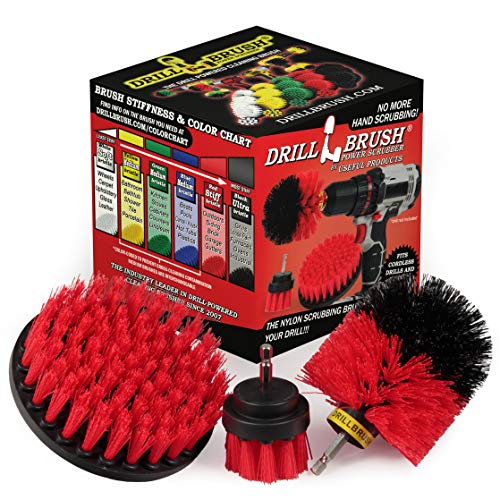
- Stiff nylon deck brush for slate patio cleaning for scrubbing joints and textured areas.
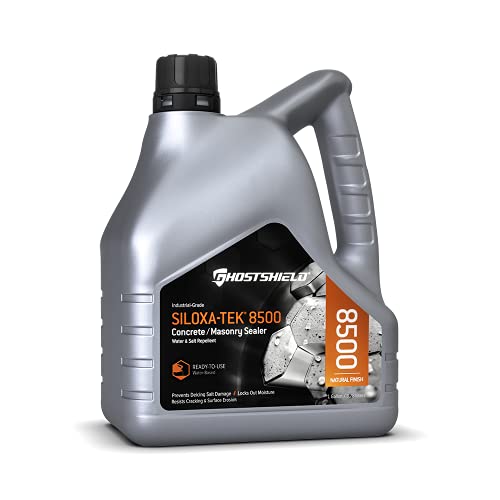
- Slate patio sealer penetrating sealer water-based to protect and preserve color after cleaning.
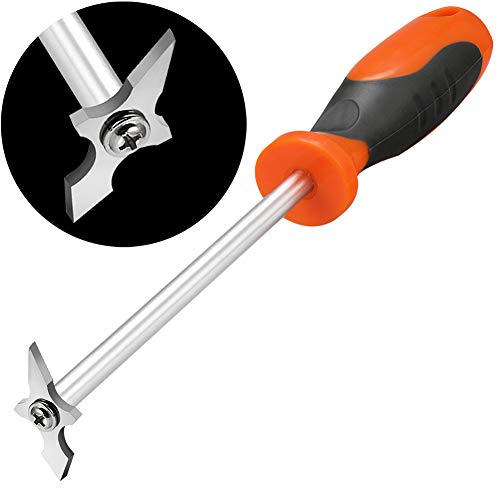
- Handheld scraper and grout removal tool for slate patio cleaning for stubborn efflorescence and grout renewal.
Before You Start
Inspect the patio for loose or cracked slates and repair as needed before cleaning. Protect adjacent plants, furniture, and lighting from spray and runoff. Check the weather forecast; choose a dry day with mild temperatures to allow surfaces to dry properly. Safety notes: wear eye protection and non-slip shoes, and keep children and pets away during cleaning. Time estimates: 2–4 hours depending on patio size and staining severity.
Important: never use high-pressure settings directly on slate edges, and avoid metal brushes that may scratch the stone. Use broad, even strokes and keep the nozzle moving to prevent etching.
Step-By-Step: How To Clean Slate Patio
- Clear the area of furniture and debris to create a wide work zone. Remove loose dirt with a broom or leaf blower.
- Rinse the surface with water to wet the slate and minimize soap suds. A pre-wet reduces cleaner absorption and avoids streaks.
- Mix or apply the masonry cleaner for slate patio stones according to label directions, concentrating on stained or mossy sections.
- Let the cleaner dwell for the recommended time, then scrub with the stiff nylon deck brush for slate patio cleaning in circular motions, paying attention to joints and textured areas.
- Rinse thoroughly with the electric pressure washer 2000 PSI for slate patio cleaning on a wide, low-pressure setting to remove loosened grime without damaging the stone.
- For stubborn deposits, use the handheld scraper and grout removal tool for slate patio cleaning to lift resistant buildup from joints, being careful not to scratch the slate.
- Allow the surface to dry completely, then apply the slate patio sealer penetrating sealer water-based in thin, even coats. Reapply as recommended by the product instructions after full curing.
Troubleshooting
| Symptom | Likely Cause | Fix | Prevention |
|---|---|---|---|
| Patchy cleaner residue | Uneven application or improper dwell time | Reapply cleaner to affected areas and extend dwell time per label | Follow dwell time and rinse completely after each treatment |
| Streaks after rinsing | Unlevel spray or excess cleaner | Rinse with calm, overlapping passes | Use consistent motion and pre-wet surface |
| Slate feels rough or etched | Excessive brushing or high-pressure impact | Switch to gentler brush movements; reduce pressure | Test in an inconspicuous area first |
| Stains returning after sealing | Residual moisture or improper cleaning prior to sealing | Wait for full dry and clean again before sealing | Ensure surface is dry and free of cleaners or moisture during sealant application |
Common Mistakes
- Using excessive pressure with a power washer on slate edges, which can cause chipping.
- Cleaning in direct sunlight on hot surfaces, which speeds evaporation and creates streaks.
- Over-wetting joints, leading to potential efflorescence and long drying times.
- Skimping on rinsing after cleaner application, leaving residues that dull the finish.
Sticking to gentle methods and proper drying times helps maintain the slate’s natural color and texture.
Tips For Best Results
- Test cleaning products on a hidden patch of slate before full application.
- Use a soft-bristle brush in combination with a gentle cleaning solution to avoid scratches.
- Avoid acidic cleaners on natural slate, which can etch and dull the surface.
- Seal the slate after thorough drying to reduce future staining and mold growth.
- Schedule annual cleaning to prevent buildup of algae, moss, and mineral deposits.
Call A Professional
Seek professional help if the slate is heavily damaged, if there are loose or cracked pieces, or if the stains persist after multiple cleaning attempts. Stop and contact a pro if you notice deep etching, significant color loss, or efflorescence that reappears after sealing. For complex patterns, wide expanses, or intricate joints, a seasoned contractor can ensure even cleaning and proper sealing without risking damage.
FAQ
Is it safe to use a pressure washer on slate patio?
Yes, but with caution. Use a wide spray pattern, a low pressure setting, and keep the nozzle moving to prevent damage.
What cleaner should I use on slate patio stones?
Choose a masonry cleaner specifically formulated for natural stone and follow the label directions for dwell time and dilution.
How soon can I seal after cleaning?
Sealant should be applied only after the slate is completely dry to prevent trapping moisture.
Can I reseal every year?
Annual sealing is common for high-traffic areas, but follow the product’s guidance based on weather exposure and foot traffic.
What if stains return after sealing?
Reassess cleaning, ensure complete drying, and reapply cleaner if necessary before resealing.
Do I need to remove old grout before cleaning?
If grout has deteriorated, use the handheld scraper to renew joints and reseal after cleaning.
Buying Guide
When choosing tools and products for cleaning a slate patio, consider several factors to balance performance with stone safety. Key buying factors include size and layout of the patio, noise levels from cleaning equipment, energy efficiency of electric tools, control options on cleansers, and the suitability of sealers for outdoor environments.
Size and layout: Larger patios benefit from a powered option like an electric pressure washer 2000 PSI for slate patio cleaning, while smaller areas can be effectively cleaned with a hose and scrub brush. Noise levels matter for nearby homes; look for models with lower decibel ratings or schedule cleanup during reasonable hours.
Energy efficiency and controls: Choose tools that offer variable pressure and simple spray patterns to minimize stone damage. A versatile cleaner with clear dilution instructions helps ensure consistent results. For sealers, select a slate patio sealer penetrating sealer water-based that penetrates the stone without forming a thick film.
Placement and maintenance: Sealers are typically applied after drying, with reapplication based on foot traffic and weather exposure. Consider accessibility for applying cleaners to joints and textured areas; a handheld scraper and grout removal tool for slate patio cleaning is useful for stubborn joints but should be used with care.
Price and compatibility: Compare product specs to ensure cleaners are compatible with natural stone and slate surfaces. Read labels about recommended use on slate, surface preparation steps, and drying times to avoid wasted purchases.