Cleaning a kitchen sink using common household ingredients can be effective and affordable. Baking soda and vinegar create a gentle, fizzing cleaning action that helps remove grime, mineral deposits, and odors without harsh chemicals. This guide explains a practical, step-by-step approach suitable for most US kitchens, with clear safety notes and tool options.
When done properly, routine use keeps sinks looking bright and prevents buildup around the drain and surrounding surfaces. Below you will find a concise plan, list of tools, safety considerations, and practical tips to maximize results.
Quick Answer
Effective method: Sprinkle baking soda in the sink, spray or pour vinegar over it to fizz, scrub with a brush, rinse, and wipe dry. For tougher grime, repeat or use a paste of baking soda and water. Finish with a microfiber cloth to buff shine.
What You’ll Need
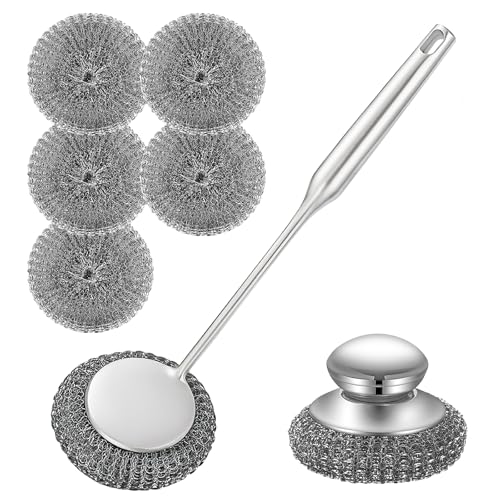
- Stainless steel kitchen sink scrub brush with long handle for reaching corners and under rims
- Nylon bristle sink cleaning brush with scraper to dislodge stuck-on residue
- Silicone dish brush set for kitchen sink cleaning for scrubbing without scratching
- Microfiber cloth for applying baking soda paste to sink and buffing finish
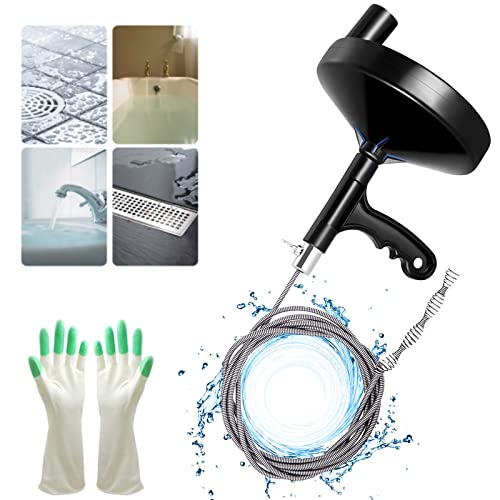
- Sink drain cleaning plunger and trap remover toolkit to clear clogs and inspect traps

Before You Start
Prepare a clean workspace by removing items from the sink and countertop. Rinse loose debris before you begin. Work in a well-ventilated area to minimize odor from the cleaning action. Avoid mixing vinegar with bleach or ammonia, which can release harmful fumes. Plan for a 15–30 minute cleaning session, depending on sink condition. Have a small bowl of warm water handy for rinsing brushes and cloths.
Step-By-Step: How To Clean A Sink With Baking Soda And Vinegar
- Rinse the sink to remove loose particles and turn on the faucet to warm water.
- Sprinkle baking soda evenly across the sink basin, covering the entire surface including around the drain.
- Apply warm water or a light spray of water to moisten the baking soda for better adhesion.
- Pour or spray a moderate amount of vinegar over the baking soda. The fizzing action helps lift grime and mineral buildup.
- Use a nylon bristle sink cleaning brush with scraper or stainless steel kitchen sink scrub brush with long handle to scrub the basin, focusing on corners and the drain lip.
- For stubborn stains, make a paste of baking soda and a small amount of water, apply with a microfiber cloth or brush, and let sit for a few minutes before scrubbing again.
- Rinse thoroughly with warm water, ensuring all baking soda and vinegar residues are removed from the surface.
- Wipe dry with a microfiber cloth for applying baking soda paste to sink to prevent water spots and streaks.
- Inspect the drain area. If the drain or trap appears clogged or slow, switch to the sink drain cleaning plunger and trap remover toolkit for a safe reset of the drain path.
- Finish by wiping the surrounding counter and faucet with a dry cloth to maintain a polished look and reduce water spots.
- Repeat maintenance weekly or as needed to keep the sink gleaming and free of odors.
Troubleshooting
| Symptom | Likely Cause | Fix | Prevention |
|---|---|---|---|
| Persistent sour odor | Food particles stuck in trap or drain | Use the drain plunger and inspect/clean trap | Regularly flush with hot water after use |
| Stubborn brown staining | Mineral buildup or rust | Create stronger baking soda paste and scrub with a brush | Dry sink after use to reduce mineral deposits |
| Scratches on stainless surface | Harsh or abrasive tools | Switch to non-abrasive brushes and soft cloths | Use gentler scrubbing motion and proper tools |
| Clogged drain after routine cleaning | Trap or slow drain | Disassemble trap with toolkit and clear debris | Periodic trap checks and avoid pouring grease down the drain |
Common Mistakes
- Overusing acidic cleaners on aged finishes; test a small area first
- Using metal brushes aggressively, which can scratch stainless steel
- Rinsing poorly and leaving baking soda residues that dull the shine
- Ignoring drips and water spots, which can contribute to mineral buildup over time
Tips For Best Results
- Keep a dedicated microfiber cloth for polishing the sink to a bright, streak-free finish
- Household routine: perform a quick bake-soda and vinegar wipe-down after heavy cooking days
- Alternate scrubbing tools to reduce wear on any single surface area
- For hard-water areas, consider a monthly deeper clean with a stronger paste and gentle scrubbing
Call A Professional
Consider contacting a professional if the sink shows persistent clogging, unusual odors that don’t respond to standard cleaning, or if you notice leaks around the faucet or drain. Seek expert help for tricky trap disassembly or suspected pipe damage. Stop and call a pro if:
- The drain remains clogged after repeated attempts
- There is noticeable water pooling under the sink or signs of leaks
- The drain trap is corroded or difficult to remove safely
FAQ
Is baking soda and vinegar safe for all sink types?
Yes for most household sinks, including stainless steel, porcelain, and composite surfaces. Always test a small area first if unsure.
How often should I clean my sink with this method?
Light maintenance weekly, with a deeper clean every 1–2 weeks depending on usage and water hardness.
Can I use this method with a garbage disposal?
Yes, but avoid pouring large quantities of vinegar into a disposal. Run water and use smaller amounts to prevent odor buildup.
What if the sink drain is slow but not clogged?
Try a few minutes of routine plunger action and inspect the trap for buildup; a professional assessment may be needed if slow drainage persists.
Can I substitute other scrubbing tools?
Yes, but prioritize non-abrasive tools to protect finishes and surfaces.
Buying Guide
When choosing cleaning tools for a baking-soda-vinegar sink regimen, consider size, material compatibility, and ease of use. A few factors help guide picks across the listed products:
- <bSize and reach: A long-handle brush improves access to the deep basin and under-rim areas without bending or scrubbing hard.
- <bCleaning power: Nylon bristles provide effective scrubbing while being gentle on stainless steel; consider mixed bristle tools for versatility.
- <bMaterial compatibility: Silicone and nylon tools resist staining and are easy to clean after use with baking soda paste.
- <bSurface care: Choose soft microfiber cloths for polishing to avoid scratches and achieve a streak-free finish.
- <bMaintenance features: Tools with removable scrapers help dislodge grime without dulling surfaces.
- <bDrain access: A dedicated drain-plunger and trap remover kit is useful for routine maintenance and addressing clogs promptly.
- <bNoise and ergonomics: Select hand tools designed for comfortable grip and quiet operation during early morning cleaning.
- <bPlacement and storage: Store tools under the sink or in a caddy near the sink for quick access and organized cleaning sessions.
Considering these factors helps ensure that the chosen tools support a consistent, effective cleaning routine. Users should align tool choices with their sink material, budget, and cleaning frequency to maintain a bright, odor-free kitchen environment.