Clogged sink drains are a common household hassle. This guide provides practical, step-by-step instructions to clear blockages safely and effectively using commonly available tools. Readers will learn how to tackle clogs behind the kitchen sink, under-sink pipes, and routine maintenance to keep drains flowing smoothly.
By following these steps, homeowners can often restore drainage without costly calls. The methods emphasize safe handling, appropriate tool use, and proactive maintenance to minimize future clogs.
Quick Answer
Start with a plunger for minor blockages, then move to a flexible drain cleaning cable kit or a manual drain snake for deeper clogs. If needed, remove the P-trap with a wrench to clear trapped debris, then reassemble and run hot water. For stubborn buildup, use a long bendable brush to scrub the pipe interior. Always wear gloves and avoid chemical drain cleaners as a first option.
What You’ll Need
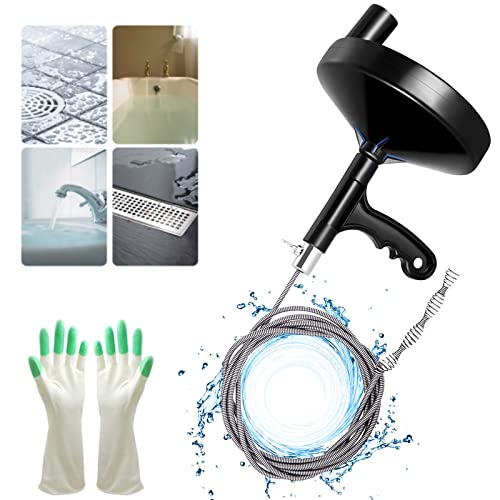
- Manual drain snake kitchen sink auger 25 ft
- Flexible drain cleaning cable kit 3/16 inch
- P-trap removal wrench basin pliers set for under-sink
- Long bendable drain cleaning brush for kitchen sink
- Plunger with flange for kitchen sink drains


Before You Start
Assess the clog source and area. Clear under-sink items to allow space for tools, and place a bucket beneath the P-trap to catch water and debris. Turn off the water supply to avoid spills. Safety glasses and gloves protect hands from splashes. Plan for a 20–60 minute session, depending on clog severity and plumbing access.
Important cautions include avoiding chemical drain cleaners as a first line of attack, which can damage pipes and trap seals. If you encounter metal corrosion, broken pipes, or sewage odors, stop and seek professional help.
Step-By-Step: How To Clean Sink Pipes
- Initial assessment: Remove standing water with a cup or absorbent towels, then try a plunger with flange on a firm seal.
- Disassemble the trap: Place a bucket underneath; use a P-trap removal wrench basin pliers set to loosen the slip nuts and detach the trap.
- Inspect the trap: Clean out standing debris by hand, rinse with warm water, and reassemble if clear.
- Extend the reach: Use a manual drain snake kitchen sink auger 25 ft or a flexible drain cleaning cable kit 3/16 inch to feed into the pipe from the trap area.
- Break up the clog: Rotate the snake or cable while advancing to dislodge buildup, then pull back slowly to retrieve debris.
- Reassemble and test: Reconnect the trap, run hot water for several minutes, and recheck for drainage efficiency.
- Brush interior surfaces: If the line still drips slowly, run a long bendable drain cleaning brush along interior walls to scrub residues.
- Final flush: Use a strong blast of hot water through the drain to clear remaining particles.
- Preventive steps: Consider routine cleaning with a brush and occasional snake passes to prevent future clogs.
- Monitor: If water backs up again within a few days, repeat or escalate to professional service.
- Cleanup: Wipe tools dry, store in a dry area, and sanitize the work area to prevent mold growth.
Troubleshooting
| Symptom | Likely Cause | Fix | Prevention |
|---|---|---|---|
| Slow drain after cleaning | Partial clog or buildup further down the line | Pass the snake deeper or use the bendable brush | Periodic maintenance; avoid dumping grease |
| Water backs up into sink | Clog in P-trap or drain line | Disassemble trap and clear debris | Use sink strainer to catch solids |
| Unpleasant odor from drain | Organic buildup in pipes | Clean with hot water and brush; avoid chemical cleaners | Run hot water after meals; weekly flush |
| Leaks after reassembly | Loose slip nuts or damaged washers | Tighten clamps and replace washers | Inspect seals during maintenance |
Common Mistakes
- Relying on chemical drain cleaners as a first option
- Forgetting to place a bucket under the P-trap before disconnecting pipes
- Not fully drying or inspecting tools after use, leading to rust
- Overtightening slip nuts, causing leaks and damage
- Assuming one pass will clear all clogs; some require multiple attempts
Awareness of these pitfalls helps protect plumbing and reduces the likelihood of recurring issues.
Tips For Best Results
- Use hot water before and after mechanical cleaning to loosen grease and debris.
- Work slowly with the snake to avoid damaging pipes, especially brittle plastics.
- Maintain a consistent motion while rotating the snake for better debris capture.
- Keep a dedicated tool kit for drains to avoid cross-contamination with other household tools.
Call A Professional
Seek professional help if there is persistent backing, multiple drains affected, sewage odors, or if the clog involves a main sewer line. Stop attempts if you notice water backing up into other fixtures, gurgling sounds, or pipe damage signs.
FAQ
What is the quickest way to unclog a kitchen sink?
Use a plunger with a flange, then try a flexible drain cleaning cable kit if needed.
When should I remove the P-trap?
When water remains backed up after initial plunging or the trap is visibly clogged.
Can I use chemical cleaners on metal or plastic pipes?
Prefer mechanical methods first; chemical cleaners can damage seals and pipes.
How often should I clean my kitchen sink pipes?
Perform a routine flush monthly and address minor clogs promptly to prevent buildup.
Buying Guide
When choosing drain cleaning tools, consider size, durability, and compatibility with your plumbing.
- Size and reach: A 25 ft manual auger covers typical under-sink distances; longer cables may be needed for deeper lines.
- Material quality: Stainless steel cables resist kinking and corrosion; plastic components should withstand repeated use.
- Controls and ergonomics: Comfortable hand grips and smooth rotating handles reduce fatigue during use.
- Noise and mess: Some tools generate more noise and splash; plan workspace accordingly.
- Placement: Store tools under sink or in a dedicated toolbox for easy access during maintenance.
Compare kits by included accessories, replacement parts, and user reviews to ensure reliable performance. For most homes, starting with a standard flexible cable kit and a 25 ft auger covers common clog scenarios.