Maintaining the shine and sanctity of silver pooja items requires careful, simple methods. This guide walks through practical steps using common silver-cleaning tools and household products to restore luster while protecting delicate finishes and etched designs.
Quick Answer
Gently remove dust, apply a silver cleaner or a cream polish with a soft cloth, buff to a bright finish, and rinse with warm water. For intricate designs, use a soft brush and a polishing mitt to reach tiny crevices, then dry completely to prevent water spots.
What You’ll Need
- Silver tarnish remover cream 4oz for home silverware and pooja items
- Silver cleaner liquid spray for home use bowls plates pooja items
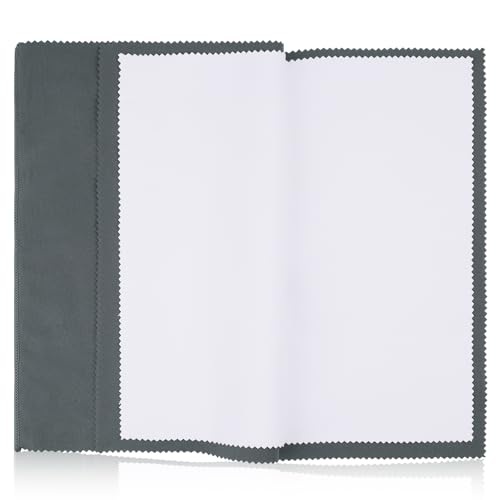
- Silver polishing cloth set for jewelry and silverware
- Microfiber silver polishing cloth plus polishing mitt
- Silver cleaning kit for ritual items pooja thali bowl set
- Soft bristle brush for intricate details


Before You Start
Work in a well-ventilated area and wear gloves if you have sensitive skin. Place pooja items on a soft, nonabrasive surface to avoid scratches. Avoid harsh abrasives on enamel inlay or delicate engravings. Plan a quiet session; most normal cleaning takes 15–30 minutes per item, depending on size and detail.
Critical cautions: Do not soak items with wooden handles or delicate painted finishes. Test any cleaner on a small area first to ensure no discoloration. After cleaning, handle items by edges to maintain the mirror finish.
Step-By-Step: How To Clean Silver Pooja Items
- Set up a clean workspace and lay down a soft cloth. Gather all cleaning tools and loopholes for stains.
- Dust off the items with a soft microfiber cloth to remove loose dirt and oils.
- Apply a thin layer of silver tarnish remover cream to a cloth or sponge and gently rub in circular motions on tarnished areas.
- For etched designs or crevices, use a soft bristle brush to work the cleaner into the depths, then wipe away excess with a lint-free cloth.
- Rinse silver items lightly with warm water to remove any residue from the cleaner, especially if the product label calls for it.
- Buff the surface with a silver polishing cloth or a microfiber mitt until a bright, even shine appears.
- Inspect for dull spots or streaks. Reapply cleaner to stubborn areas, then buff again until uniformly radiant.
- Dry thoroughly with a fresh cloth to prevent water spots and tarnish reformation.
- Store cleaned items in a dry, low-humidity area or place them in anti-tarnish bags to slow future tarnish.
- For daily maintenance, wipe with a soft cloth after use and avoid exposing items to salty or acidic environments.
- Repeat cleaning as needed, especially before festive ceremonies when items are in use frequently.
- Rotate cleaning tasks to prevent aggressive polishing on any single area and preserve the original finish.
Troubleshooting
| Symptom | Likely Cause | Fix | Prevention |
|---|---|---|---|
| Dull, chalky residue after cleaning | Over-application of cleaner | Wipe away excess with a damp cloth and buff again | Use thin layers and follow product directions |
| Patches of dark tarnish reappearing quickly | Exposure to humidity or oils | Store in a dry place; wipe items after handling | Keep away from moisture and air exposure when not in use |
| Scratches after polishing | Rough cloth or abrasive material | Switch to a softer cloth and gentler pressure | Always test on a hidden area first |
| Enamel or inlay dulls | Harsh cleaners | Use milder cleaners or separate solution for inlays | Read label and avoid incompatible surfaces |
Common Mistakes
- Using abrasive powders or steel wool on silver with engravings
- Over-wetting items, especially if they have wooden parts
- Neglecting to dry thoroughly, leading to water spots
- Polishing too aggressively in one area, causing uneven shine
- Mixing different cleaners that may react chemically
Tips For Best Results
- Use a dedicated polishing cloth for silver to avoid transferring oils from other metals.
- Apply products in a well-ventilated area and follow the manufacturer’s instructions for contact time.
- For routine maintenance, wipe pooja items with a soft microfiber cloth after every use to slow tarnish buildup.
- Store silver items in airtight containers with anti-tarnish tissues or silica gel packs.
- Schedule periodic deep cleaning, especially before major religious ceremonies, to maintain a pristine appearance.
Call A Professional
Contact a professional jeweler or conservator if items have antique value, delicate engravings, or if cleaning could affect a religious symbol’s integrity. Signs to seek help include severe pitting, extensive corrosion, or if any cleaning process seems to wear away fine details.
FAQ
What’s the safest way to clean silver pooja items at home?
Use a mild silver cleaner or tarnish remover cream with a soft cloth, and avoid harsh abrasives. Test first on a small area.
Can I clean silver with dish soap?
Plain dish soap and warm water can remove oils, but for tarnish, a dedicated silver cleaner is usually more effective.
How often should silver pooja items be cleaned?
Light polishing monthly or as needed, with deeper cleaning every few months depending on tarnish buildup and usage.
Are cleaning products safe for engraved or inlaid designs?
Yes, but use gentler cleaners and avoid soaking; test first and clean with a soft brush in crevices.
What should I store silver pooja items in?
Store in a dry, low-humidity area, ideally wrapped in anti-tarnish cloth or placed in anti-tarnish bags.
How can I prevent tarnish between cleans?
Keep items away from moisture, fingerprints, and acidic environments; wipe with a soft cloth after handling.
Buying Guide
When choosing products to maintain silver pooja items, consider several factors that influence results and ease of use.
- Size and scope: For a complete pooja set, a multi-item kit or a combination of a liquid cleaner and a cream polish covers tarnish removal and final shine.
- Noise level and ease of use: Some spray cleaners are quick to apply, while creams offer more control for delicate surfaces. Choose based on your comfort with precision.
- Energy efficiency and materials: Traditional cleaners work well on sterling silver but ensure they are safe for antique or inlaid pieces. Look for non-abrasive formulas for safety.
- Controls and application: Cloths, mitts, and sponges should be soft and lint-free. A microfiber cloth set plus a polishing mitt provides flexibility for different surfaces.
- Placement and storage: Store cleaned items in a dry, low-humidity area or anti-tarnish bags to maintain shine longer.
- Branding and compatibility: Choose products designed for silver and ritual items to protect finishes and avoid residue on sacred symbols.
- Surface concerns: Delicate engravings, enamel, or inlays require gentler formulas and careful cleaning with a brush.
With the right tools and a careful routine, silver pooja items retain their beauty and sacred presence. How will you structure your cleaning routine to fit your ceremony schedule and storage space?