Cleaning silver coins requires care to preserve their value, finish, and historical integrity. Improper cleaning can remove patina, damage surfaces, or reduce numismatic worth. The following guide presents practical, safe methods tailored for everyday collectors in the United States, using common tools and products referenced in consumer catalogs.
Whether you’re refreshing a circulated half dollar or maintaining a treasured mint mark, this step-by-step approach emphasizes gentle handling, proper techniques, and safer alternatives to aggressive cleaning. Readers will learn when cleaning is appropriate, how to choose the right method, and how to avoid common pitfalls that can harm coins.
Quick Answer
Best practice: avoid aggressive scrubbing. Use gentle mechanical cleaning with a soft brush or a dedicated coin cleaning kit, followed by a careful polish only if the coin’s surface allows it. For stubborn tarnish, rely on a safe tarnish remover gel or a gentle ultrasonic bath, avoiding harsh chemicals and abrasive pads.
What You’ll Need
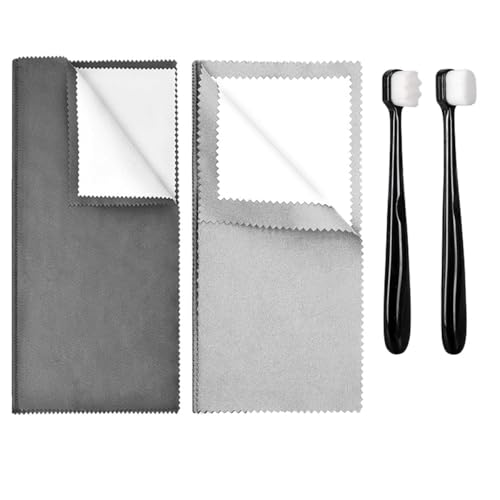
- Silver coin cleaning kit with soft bristle brush and polishing cloth
- Ultrasonic cleaner for coins and jewelry
- Nylon soft-bristle coin cleaning brush set
- Microfiber polishing cloth for silver coins
- Tarnish remover gel for silver coins

Before You Start
Set up a clean, well-lit workspace on a soft, nonabrasive surface. Handle coins by the edges to avoid fingerprint oils. Rinse coins with distilled water to remove loose dirt before any cleaning step. Avoid soaking coins for extended periods, as prolonged exposure can exacerbate corrosion on some surfaces. Time estimates vary: light cleaning may take 5–15 minutes per coin, while more thorough sessions with tools like an ultrasonic cleaner can take 20–40 minutes. If a coin is valuable, historic, or uncirculated, consider consulting a professional before attempting cleaning.
Step-By-Step: How To Clean Silver Coins Safely
- Inspect the coin for value indicators and surface condition. If the coin is rare or potentially valuable, skip cleaning or test a small inconspicuous area first.
- Rinse the coin gently under lukewarm distilled water to remove loose dirt.
- Use a nylon soft-bristle coin cleaning brush set to softly brush away loose contaminants from the edges and fields; avoid scrubbing across delicate features.
- If tarnish remains, apply a small amount of tarnish remover gel for silver coins following the product’s instructions. Do not leave on longer than recommended and rinse thoroughly with distilled water.
- For deeper cleaning, consider an ultrasonic cleaner for coins and jewelry using a gentle setting and plain distilled water. Place coins in a mesh tray or basket to prevent contact with the ultrasonic basket.
- Dry the coin completely with a microfiber polishing cloth for silver coins, patting rather than rubbing to minimize micro-scratches. Ensure no moisture remains in crevices.
- If warranted, apply a light protective wipe with the silver coin cleaning kit with soft bristle brush and polishing cloth, choosing a cloth color that won’t leave dye on the coin.
- Store coins in a dry, inert environment, such as coin flips or capsules, away from direct sunlight and humidity.
Troubleshooting
| Symptom | Likely Cause | Fix | Prevention |
|---|---|---|---|
| Streaks or rainbow toning after cleaning | Abrasive contact or improper drying | Re-wipe with a clean microfiber cloth; avoid abrasive pads | Use gentle motions; dry fully after cleaning |
| Coin surface appears dull after cleaning | Over-cleaning or harsh chemicals | Stop cleaning; avoid further chemical exposure | Limit cleaning to light, non-abrasive methods |
| Green or pink staining on coin | Residue from tarnish remover or moisture exposure | Rinse with distilled water; dry completely | Use distilled water only; store in dry conditions |
| Coin shows scratches after brushing | Use of rough brushes or improper technique | Switch to nylon soft-bristle brushes; brush edges only | Skip aggressive brushing; test on low-risk areas |
Common Mistakes
- Using household abrasive cleaners or metal polishes on coins
- Soaking coins for extended periods in cleaners
- Cleaning rare or ancient coins without professional advice
- Brushing across the coin face instead of along edges
- Neglecting to dry coins thoroughly, leading to water spots and corrosion
Tips For Best Results
- Test any cleaner on a non-valuable coin first to gauge reaction.
- Choose products labeled safe for silver and coins; avoid generic metal polishes.
- Use distilled water to minimize mineral deposits during rinsing.
- Maintain a consistent cleaning routine for similar coins to avoid uneven patina changes.
Call A Professional
Seek a professional if a coin is exceptionally valuable, shows potential key-date markings, or bears a delicate patina that should be preserved. Stop cleaning and consult a numismatic expert if you notice:
- Significant edge wear or rim damage
- Uncertain authenticity indicators
- Unusual colors or corrosion suggesting ecosystem damage
FAQ
Is it safe to clean circulated silver coins at home?
Light cleaning with gentle brushes and distilled water is generally safe for common circulated coins, but avoid aggressive methods on valuable or rare coins.
Can ultrasonic cleaning damage silver coins?
When used on a gentle setting and with appropriate containers, ultrasonic cleaning can help remove grime, but misuse can cause scratches or loosen patina.
What should I do if tarnish returns after cleaning?
Reassess the method; use mild tarnish remover gel sparingly and rinse thoroughly. Consider professional evaluation for valuable pieces.
Are there coins I should never clean?
Mostly high-value or historic coins with potential numismatic value should not be cleaned without expert guidance.
How should I protect cleaned coins long-term?
Store in dry, inert holders or capsules, away from sunlight and humidity, to prevent future tarnish.
What tools are essential for ongoing coin care?
A nylon soft-bristle brush set, a microfiber polishing cloth, distilled water, and a safe tarnish remover gel are commonly effective for routine maintenance.
Buying Guide
When selecting tools and products for silver coin care, consider size, noise level, energy efficiency, controls, and placement. The best kit should include a soft-bristle brush, a nonabrasive cloth, and clear usage instructions geared toward coins. For deeper cleaning, a compact ultrasonic cleaner with adjustable frequency and temperature is useful, but avoid models with harsh ultrasonic power that might damage delicate surfaces. Look for a tarnish remover gel formulated for silver, and verify it is safe for numismatic coins. Consider how you plan to store coins—capsules, flips, or albums—and choose products that align with your storage setup. Finally, assess compatibility with your most common coin sizes and finishes to ensure the tools fit your collecting goals. Do you prioritize quick maintenance or deeper cleaning capability? A balanced kit that covers light daily upkeep and occasional deeper cleanings tends to serve most American collectors well.