Cleaning shower tiles effectively keeps grout healthy and the bathroom looking bright. This guide walks American homeowners through a practical, product-backed method to remove soap scum, mold, and mildew from tile surfaces and grout lines. With the right tools and steps, anyone can restore shine without harsh scrubbing or frequent regrouting.
By following a structured approach, readers can minimize damage to tile finishes and maintain a sanitary shower space. The process emphasizes using proven cleaners and brushes designed for tile and grout care, along with a simple maintenance routine to prevent buildup.
Quick Answer
Use a steam cleaner to loosen grime, apply a mold and mildew remover spray on grout lines, scrub with a grout cleaning brush, rinse, and seal the grout with a dedicated grout sealer. Repeat monthly for best results and spot-clean as needed to prevent staining.
What You’ll Need
- Steam cleaner for shower tile grout
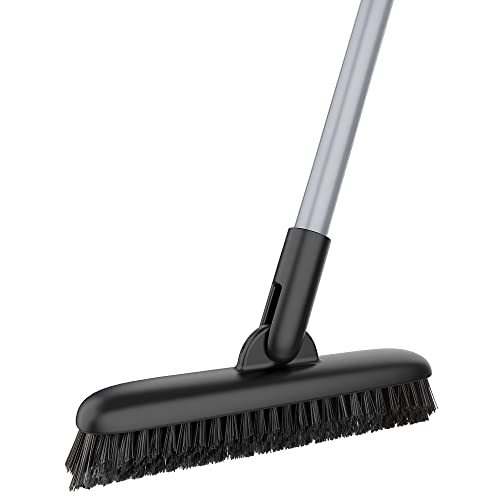
- Grout cleaning brush for shower tiles
- Mold and mildew remover spray for shower tiles
- Tile and grout cleaning kit with scrub brush
- Grout sealer for bathroom tiles


Before You Start
Assess the shower area for loose tiles or cracked grout and repair as needed before deep cleaning. Work in a well-ventilated bathroom to minimize inhalation of cleaning fumes. Wear gloves and eye protection, especially when handling chemical sprays. Time range: about 60–120 minutes, depending on shower size and level of buildup. Safety first—never mix cleaning agents like bleach with ammonia, and avoid prolonged exposure to harsh chemicals.
Step-By-Step: How To Clean Shower Tiles
- Dry the surface to identify staining and determine where grime is heaviest.
- Pre-treat grout lines with a mold and mildew remover spray, focusing on discolored areas.
- Use a steam cleaner for shower tile grout to loosen embedded dirt and sanitize without heavy scrubbing.
- Apply a tile and grout cleaning kit with scrub brush to hard-to-reach corners and along the grout lines.
- Scrub grout lines with the brush at a 45-degree angle, using short, firm strokes to lift stains.
- Rinse thoroughly with clean water; inspect for remaining spots and repeat treatment if necessary.
- Wipe tiled surfaces to remove water spots, then reapply grout sealer to protected lines after the area is dry.
- Place a short maintenance schedule: wipe down after showers and reseal every 6–12 months depending on use and sealant durability.
Troubleshooting
| Symptom | Likely Cause | Fix | Prevention |
|---|---|---|---|
| Persistent dark grout lines | Mildew that reappears after cleaning | Reapply mold and mildew remover spray and scrub with a dedicated grout brush; consider re-sealing | Maintain ventilation; wipe surfaces dry after showers |
| Streaky tile after rinse | Residual cleaner or hard water spots | Rinse with warm water, then wipe with a microfiber cloth | Use distilled water for final rinse if possible |
| Grout crumbling after cleaning | Old, damaged grout | Lightly regrout or apply grout sealant to intact areas | Test a small area first and seal new grout promptly |
| Tile surface dullness | Residue from cleaners | Clean with a neutral pH cleaner and rinse well | Avoid harsh acids on natural stone tiles |
Common Mistakes
- Using bleach on colored grout or porous tiles, which can loosen color and damage porous surfaces
- Waiting too long between cleanings, leading to heavier buildup that’s harder to remove
- Skipping a sealant after cleaning, allowing grime to penetrate grout again
- Over-saturating tiles during cleaning, which can lead to water seeping behind grout
Tips For Best Results
– Schedule a monthly maintenance routine to prevent heavy buildup and mold growth.
– Keep a dedicated brush for grout cleaning to avoid cross-contamination with other cleaning tasks.
– If tile finishes are glossy, test a small area with cleaners before full application.
– Use a spray bottle of clean water for quick spot cleans between deep cleanings.
Call A Professional
Call a professional if:
- There are extensive cracks in grout or loose tiles that require repair
- Persistent mold growth returns despite cleaning efforts
- Water damage or efflorescence appears on tile or grout
Professionals can assess underlying moisture issues, regrout, or reseal surfaces to restore the shower’s integrity and prevent future damage.
FAQ
What is the best way to clean tile grout without damaging tiles?
Use a grout-specific brush and a mild, pH-balanced cleaner; avoid abrasive pads that scratch tile surfaces.
How often should I reseal shower grout?
Typically every 6–12 months, depending on usage and sealant type.
Can I use steam cleaning on natural stone tiles?
Steaming is generally safe for ceramic and porcelain; test a small area first on natural stone and avoid high heat on delicate materials.
What should I do about recurring mildew in the shower?
Ensure proper ventilation, clean with mold inhibitors, and reseal grout to reduce porous areas where mildew can hide.
Is it okay to mix cleaning products for tile and grout?
No. Mixing cleaners can release harmful fumes or create chemical reactions; use manufacturer-approved combinations.
Buying Guide
When selecting products to clean shower tiles, several factors influence results and ease of maintenance:
- Size and surface area: Larger showers benefit from a steam cleaner and a kit with broad scrub brushes to speed up cleaning.
- Noise level: Steam cleaners and scrub brushes vary in noise; choose models with moderate operation sound if the bathroom is shared.
- Energy efficiency: Look for energy-efficient steamers and rechargeable brushes to minimize power use.
- Controls and ease of use: Simple spray-nozzle controls and washable brushes make routine cleaning straightforward.
- Placement: Store tools where moisture is controlled; a ventilated cabinet or corner caddy helps prevent mold growth on stored gear.
Buying a complete tile and grout cleaning kit can streamline the process, pairing an effective scrub brush with a focused grout cleaner. For ongoing maintenance, a grout sealer protects revisited grout lines after deep cleans. Consider your shower materials, how frequently you clean, and whether you need a portable solution for multi-room cleaning.