Shower curtain hooks can accumulate soap scum, mineral deposits, and rust over time, especially in humid bathrooms. Regular cleaning helps them glide smoothly on the rod and extends their life. This guide walks American readers through a practical, step-by-step approach to restoring clean, rust-free shower curtain hooks using common household tools and readily available products.
Quick Answer
For most metal shower curtain hooks, a quick soak in warm water with a mild detergent, followed by a scrub with a soft brush or microfiber cloth, removes buildup. If rust is present, apply a rust remover for metal shower hooks and finish with thorough drying. Replace heavily corroded hooks if they affect function or safety.
What You’ll Need
- Shower curtain cleaning brush
- Shower curtain hook cleaning brush
- Rust remover for metal shower hooks
- Microfiber cloth for cleaning shower curtain hardware
- Bathroom cleaning scrub brush with long handle
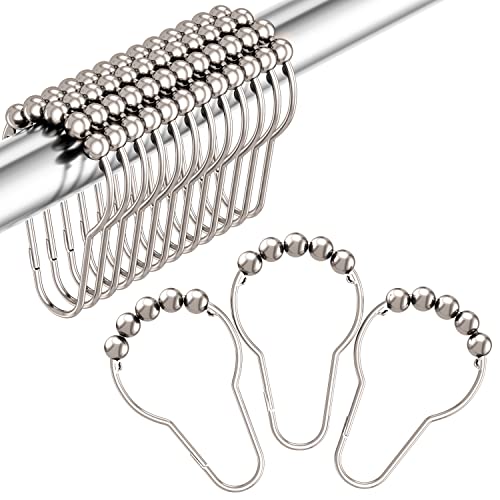
- Replacement stainless steel shower curtain hooks


Before You Start
Prepare a clean workspace near the shower. Remove the curtain from the rod to access all hooks easily. Fill a bucket or sink with warm water and add a mild soap or detergent. If rust is present, do not mix abrasive cleaners with chlorine bleach, which can damage metal and fixtures. Protect your hands with gloves and ensure the area is well-ventilated. Dry hooks thoroughly after cleaning to prevent new mineral buildup.
Step-By-Step: How To Clean Shower Curtain Hooks
- Detach all hooks from the shower curtain and rod. Lay them on a towel to catch drips.
- Prepare a cleaning solution: warm water with a mild detergent or dish soap in a bucket or basin.
- Dip a microfiber cloth or soft brush into the solution and wipe each hook to remove surface grime.
- For stubborn buildup, gently scrub with a bathroom cleaning scrub brush with a long handle to reach crevices.
- If rust is noticeable, apply a rust remover for metal shower hooks according to the product’s instructions, then rinse thoroughly.
- Rinse hooks under running water to remove all cleaning residues.
- Dry each hook completely with a microfiber cloth to prevent new rust or mineral deposits.
- Inspect hooks for wear. If any show deep pitting, chipping, or loose connections, consider replacement with replacement stainless steel shower curtain hooks.
- Reassemble by reconnecting hooks to the curtain and placing the curtain onto the rod. Spin hooks gently to test glide.
- Optionally, run a quick final wipe with a dry cloth to ensure no moisture remains on metal surfaces.
- Establish a maintenance routine: wipe hooks after showers and perform a deep clean every few weeks to minimize buildup.
- Store excess cleaning tools in a dry cabinet to prevent recontamination.
Troubleshooting
| Symptom | Likely Cause | Fix | Prevention |
|---|---|---|---|
| Streaks or dull finish after cleaning | Residue from cleaner | Wipe with clean, dry microfiber cloth | Rinse thoroughly and dry completely |
| Rust returns after cleaning | Persistent corrosion on hooks | Apply rust remover as directed, then dry well | Replace with stainless steel hooks if needed |
| Stiff or hard-to-move hooks | Mineral buildup inside hooks | Soak longer in warm, soapy water; scrub with long-handled brush | Wipe dry after each shower |
| Discolored water on curtain | Cleaning agents reacting with metal | Rinse curtain and hooks separately, then reassemble | Use milder cleaners in future |
Common Mistakes
- Using abrasive scrubbers on metal hooks, which scratches the finish.
- Leaving hooks wet for long periods, accelerating rust or mineral buildup.
- Mixing incompatible cleaners, such as bleach with certain metals.
- Skipping drying step, which invites new deposits between cleansings.
Tips For Best Results
- Regular maintenance is easier than deep cleaning. Wipe hooks after baths and dry them to prevent rust formation.
- Use a dedicated brush for hardware to avoid cross-contaminating surfaces.
- Keep a small bottle of rust remover on hand for quick touch-ups, especially in humid bathrooms.
- Invest in stainless steel hooks if your bathroom has persistent moisture or mineral deposits.
Call A Professional
Consider contacting a professional if hooks are severely corroded, if the curtain rod shows rusting, or if the hardware is seized or damaged and replacement is not straightforward. Stop use if metal edges become sharp or if there is any risk of the curtain falling.
FAQ
Can I clean shower curtain hooks with vinegar?
Yes, a white vinegar soak can help remove mineral deposits, followed by a soap rinse and thorough drying.
What if rust cannot be removed from hooks?
Replace with replacement stainless steel shower curtain hooks to prevent recurring rust.
Are metal hooks safe to put in a washing machine?
Most metal hooks are not designed for machine washing; hand cleaning is recommended to avoid damage.
How often should shower curtain hooks be cleaned?
A deep clean every 1–2 months is typical, with routine quick wipes weekly to prevent buildup.
Buying Guide
Choosing the right shower curtain hooks involves considering material, finish, size, and bathroom humidity. For many homes, stainless steel hooks resist rust best, especially in high-moisture bathrooms. If you frequently deal with mineral-rich water, look for hooks with smooth, corrosion-resistant finishes. Consider whether you prefer a decorative look or a minimalist, functional set. Wire or curved designs can offer different glide experiences on rods.
Key factors to evaluate include size compatibility with your curtain and rod, noise level during movement, and ease of cleaning. Energy efficiency is not a direct concern for hooks, but material choice can influence longevity and maintenance costs. Controls are minimal for hooks, but look for sets that include color-matched finishes to blend with bathroom hardware. Finally, placement considerations involve ensuring hooks do not snag the curtain and that they fit the rod diameter without crowding.
In practice, buyers should compare: (1) material type (stainless steel vs zinc alloy), (2) finish (polished, brushed, or painted), (3) number of hooks per set, (4) compatibility with standard shower rods, and (5) ease of cleaning and replacement availability. If replacing individual hooks, verify compatibility with existing hardware to avoid alignment issues. Do you prioritize durability over aesthetics, or a balance of both? The right choice depends on bathroom usage, humidity levels, and personal cleaning routines.