Shaw vinyl plank flooring combines durability with a stylish look, but keeping it spotless requires the right tools and a careful routine. This guide outlines a practical, step-by-step approach to cleaning Shaw vinyl plank floors so they stay vibrant and scratch-free for years to come.
Quick Answer
Use a microfiber mop for general cleaning and a vinyl floor cleaner spray for spot treatments. For tougher soils, a vinyl floor scrub brush with a handle can help without scratching. Avoid harsh abrasives and never saturate the floor with water.
What You’ll Need
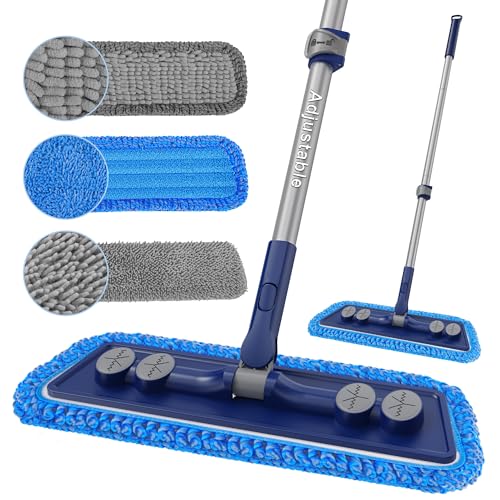
- Microfiber mop for vinyl plank flooring
- Steam mop for vinyl plank flooring (optional, use only if floor manufacturer approves)
- Shaw vinyl plank flooring cleaner spray 32 oz
- Vinyl floor cleaner spray bottle safe for plank floors
- Vinyl floor scrub brush with handle for plank flooring


Before You Start
Begin with a quick sweep or dry mop to remove loose dirt, dust, and grit that can scratch when mopped. Avoid soaking the floor; moisture can seep into seams over time. Test any cleaner on a small, inconspicuous area first to confirm it won’t dull the finish. Plan for routine maintenance: a light cleaning once or twice a week and deeper cleans as needed.
Step-By-Step: How To Clean Shaw Vinyl Plank Flooring
- Clear the area. Remove furniture or obstacles to create a flat surface for safe cleaning and thorough coverage.
- Dry sweep. Use a microfiber mop or soft broom to collect dust, hair, and grit from edges and corners.
- Prepare the cleaner. Lightly mist Shaw vinyl plank flooring cleaner spray onto the floor or onto the microfiber mop as directed on the bottle.
- Mop with care. Glide the microfiber mop in straight, overlapping passes following the grain pattern. Reserve extra moisture for spots that need it; never flood the floor.
- Tackle spots with a brush. For sticky or scuffed areas, use the vinyl floor scrub brush with a handle. Gently scrub in small circles, then wipe away residue with the mop.
- Rinse if required. If the cleaner’s instructions call for rinsing, use a lightly damp microfiber mop with clean water to remove any cleaner residue.
- Dry the surface. After cleaning, run a dry microfiber mop over the floor to remove remaining moisture and prevent streaks.
- Spot-check corners. Revisit baseboards and corners to ensure no dirt is left behind; repeat as needed.
- Regular maintenance. Schedule a routine cleaning and keep entry mats in place to reduce tracked-in grit.
Troubleshooting
| Symptom | Likely Cause | Fix | Prevention |
|---|---|---|---|
| Soon after cleaning, floors feel sticky | Residue from cleaner | Wipe with a clean damp cloth and dry thoroughly | Follow product directions and avoid over-application |
| Water pooling on floor | Excess moisture | Use less liquid and ensure proper drying | Use a damp, not wet, mop |
| Scratches appear after cleaning | Grit or abrasive brushing | Switch to microfiber tools and a softer brush | Keep floors dry and free of debris before cleaning |
| Streaks after mopping | Uneven drying or improper wipe | Dry with a microfiber cloth or dry mop | Move methodically and avoid circular scrubbing |
Common Mistakes
- Using a steam mop if Shaw recommends against it for your exact plank type
- Over-wetting the floor or leaving standing water
- Using abrasive scrub brushes or harsh cleaners on plank surfaces
- Neglecting periodic cleaning of baseboards where dust accumulates
Tips For Best Results
- Dust frequently with a microfiber mop to minimize the need for wet cleaning.
- Use mats at entrances to catch dirt before it reaches the flooring.
- Choose a spray cleaner formulated for vinyl plank flooring and apply sparingly.
- Rotate cleaning tools to prevent surface wear on high-traffic areas.
- Keep the room temperature moderate to maintain adhesive-backed planks and reduce warping risk.
Call A Professional
Contact a flooring professional if you notice persistent warping, bubbling, or separation between planks, or if you suspect water damage that doesn’t respond to routine cleaning.
FAQ
Can I use a steam mop on Shaw vinyl plank flooring?
Only if the flooring manufacturer approves steam cleaning for your specific Shaw plank model. When in doubt, use a damp mop with a vinyl-specific cleaner.
What’s the safest cleaner for vinyl plank floors?
A pH-neutral vinyl floor cleaner spray designed for plank floors is typically safest and effective without dulling the finish.
How often should I clean Shaw vinyl plank flooring?
Light cleaning weekly with a microfiber mop, plus a thorough wipe-down monthly or as needed for spills and heavy traffic.
Is it okay to use water alone to clean vinyl plank floors?
Water alone can work briefly, but a specialized cleaner helps lift oils and prevent dulling; always ensure excess moisture is avoided.
Buying Guide
When choosing cleaning supplies for Shaw vinyl plank flooring, consider size, noise level, energy efficiency, controls, and placement. A compact microfiber mop is ideal for tight spaces, while a standard mop head covers large areas efficiently. Look for a low-noise spray bottle if you clean during quiet hours. Energy-efficient, battery-powered steam options are available but require floor-specific compatibility. For placement, store cleaners away from children and pets and keep them near entryways for quick cleanups. Compare cleaners by coverage, dilution, and residue after drying to ensure a streak-free finish that preserves the plank’s appearance. Would you rather have a spray bottle that stays steady on slippery surfaces or a bucket-and-mrag with a wringer? The right setup should fit your home layout and cleaning cadence while protecting Shaw vinyl plank flooring’s longevity.